Marc Jacobs
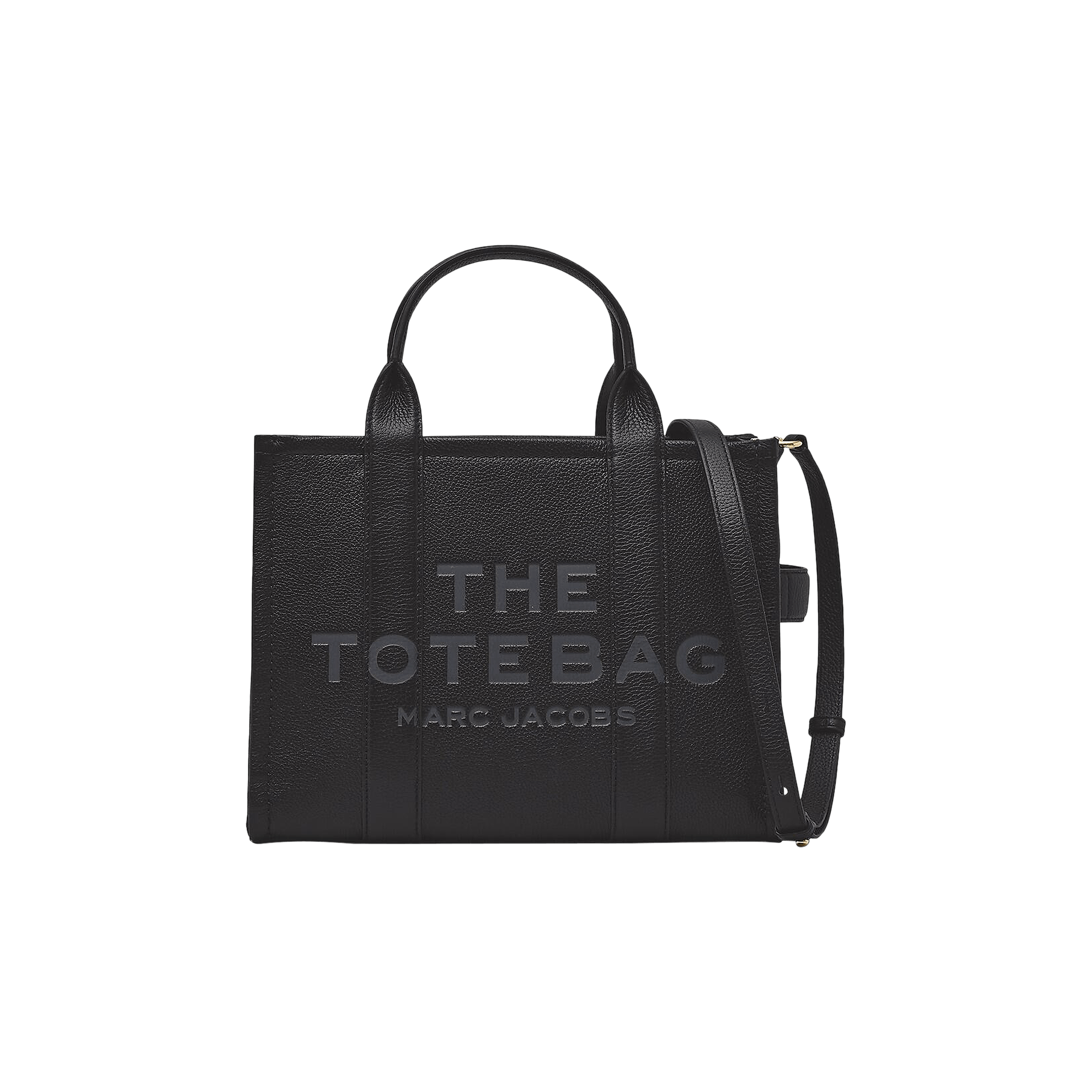
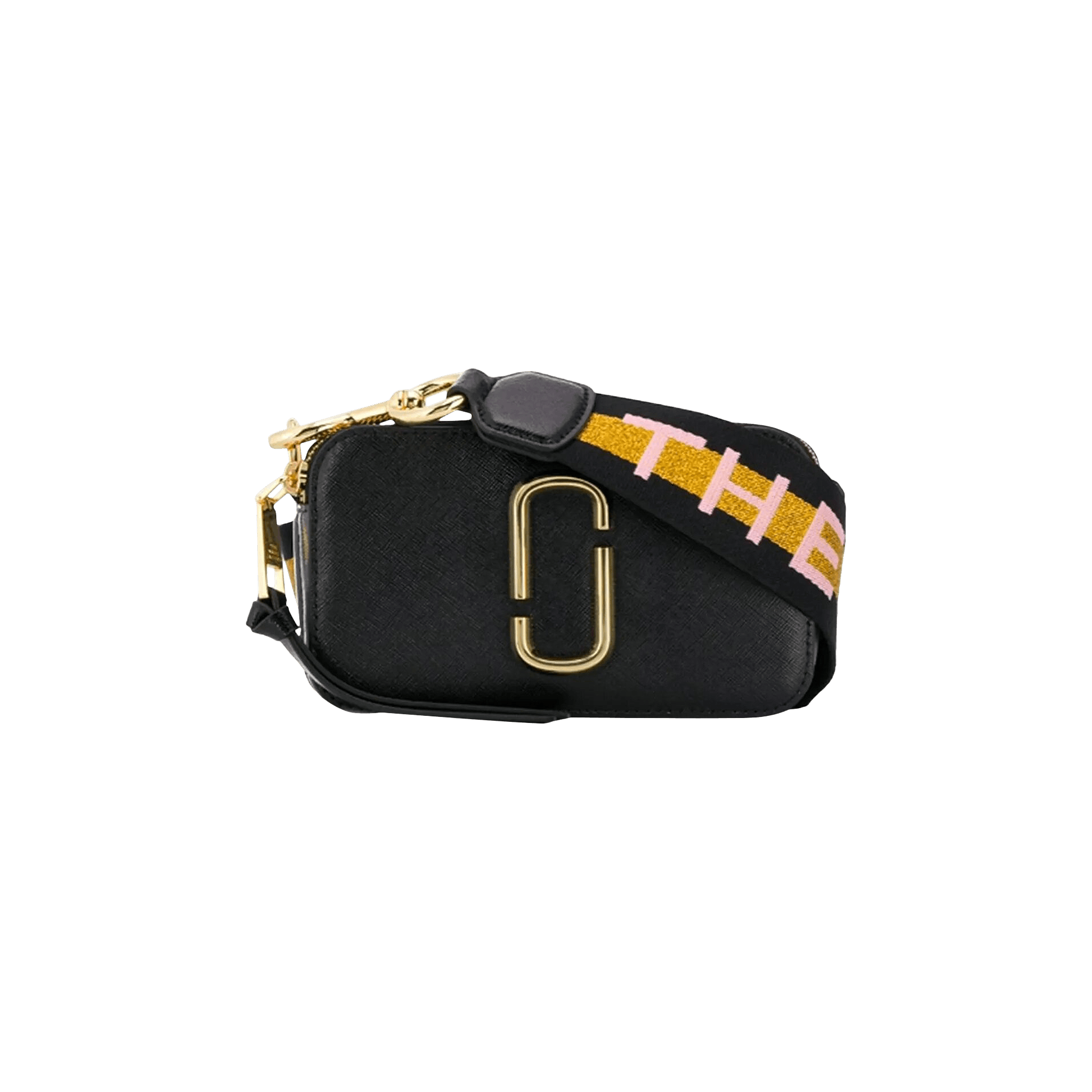
Marc Jacobs bags offer strong entry-level luxury value. The Tote Bag and Snapshot crossbody are the most liquid resale pieces, while older discontinued styles like the Stam Bag trade well below original retail outside of nostalgia-driven demand.


About Marc Jacobs
Marc Jacobs studied fashion at Parsons School of Design in New York, where his senior thesis collection caught the attention of the industry and won him early CFDA recognition. In 1984, while still building his reputation, he launched Marc Jacobs International together with Robert Duffy, who became his longtime business partner. The label was built on a straightforward premise: a designer's eye for fashion paired with genuine attention to quality and construction.
In 1989 Jacobs was hired to lead womenswear at Perry Ellis, a major mainstream American label. His tenure there ended abruptly in 1993 after he showed a “grunge” collection — flannel, thermal underwear, and combat boots reworked in luxury fabrics — that was a critical sensation but a commercial mismatch for Perry Ellis's brand identity, and he was let go. The episode became one of the most cited turning points in American fashion history, and it pushed Jacobs and Duffy back toward building their own label full-time.
In 1997, Jacobs and Duffy sold 96 percent of Marc Jacobs International to LVMH. That same year, Bernard Arnault appointed Jacobs as the first-ever artistic director of ready-to-wear at Louis Vuitton, a post he held for sixteen years while continuing to design his own label in parallel. At Louis Vuitton he introduced the house's first ready-to-wear lines and its artist-collaboration series, while his own label built out a full accessories business, adding the lower-priced Marc by Marc Jacobs diffusion line in 2001 to broaden the brand's reach.
Jacobs left Louis Vuitton in 2013 to focus on his own company, which went through a period of restructuring, including folding the Marc by Marc Jacobs line back into a single unified label in 2015. The brand re-centered itself around accessible, design-forward handbags rather than runway spectacle, a shift that paid off directly with The Tote Bag in 2019 — a simple canvas-and-leather tote that became one of the best-selling accessories of its era. Marc Jacobs remains part of LVMH today, positioned as an approachable, culturally fluent entry point into designer handbags.
Marc Jacobs Resale Trends
Marc Jacobs handbags occupy the accessible-luxury tier, generally retailing between $175 and $1,500, and their resale behavior reflects that positioning: they depreciate faster than true luxury houses because of higher production volumes and a younger, more trend-driven customer base. Even so, specific styles hold their own — The Tote Bag and The Snapshot are consistently the brand's most liquid resale pieces, helped by ongoing viral popularity, celebrity wear, and a steady stream of new colorways and customization culture (particularly on TikTok) that keeps demand for the originals visible.
Older, discontinued styles tell a different story. The 2005 Stam Bag, once one of the defining “it-bags” of its decade, spent years selling for a fraction of its original price before Y2K-era nostalgia began pushing renewed interest in its quilted, kiss-lock silhouette — a pattern common to early-2000s labels re-entering fashion's revival cycle.
In general, expect Marc Jacobs resale values to track current cultural relevance closely: recent, widely worn styles like the Tote Bag hold value well relative to their retail price, while older or lower-profile styles trade well below original MSRP unless a specific nostalgia or archive-collecting trend brings them back into focus.