Miu Miu
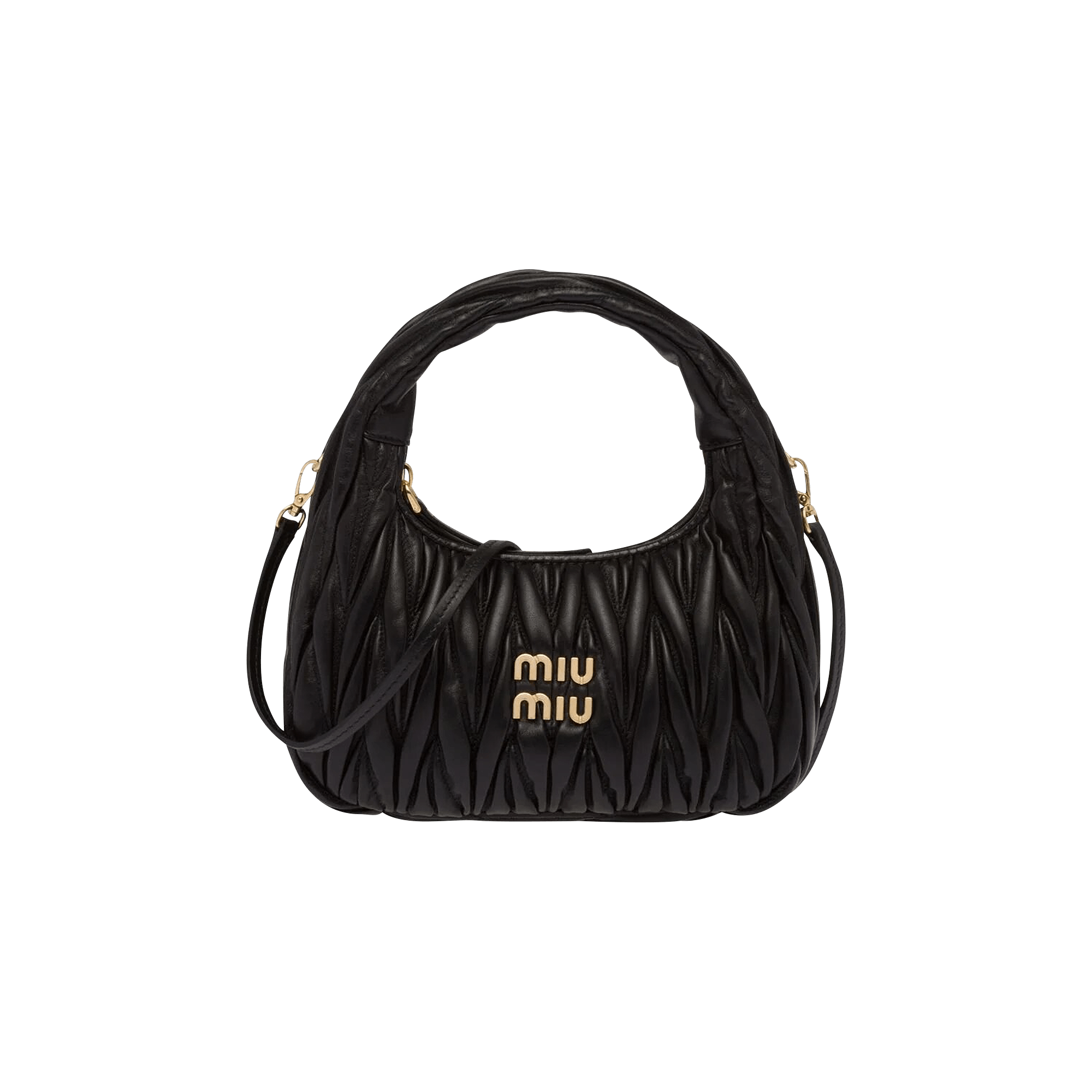
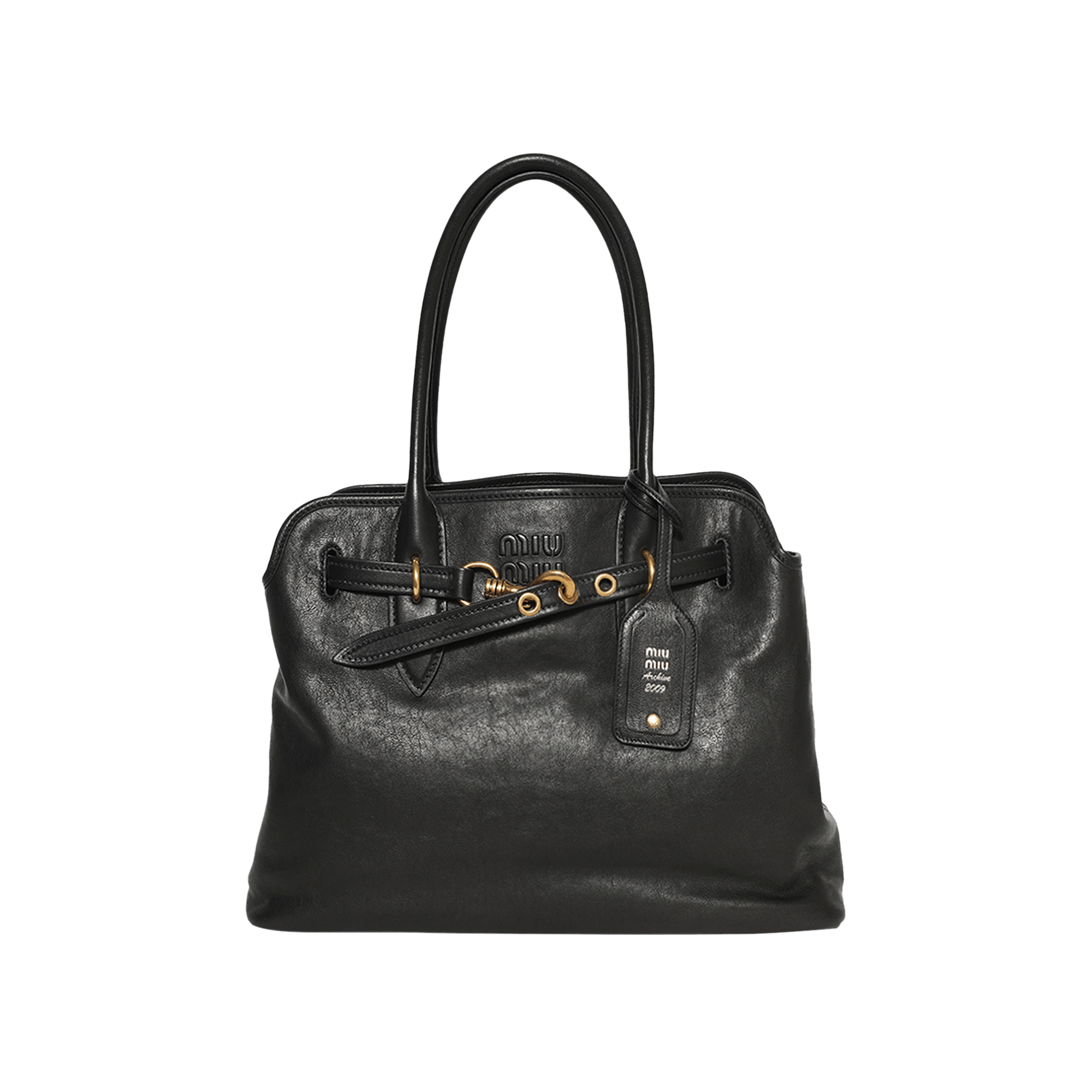
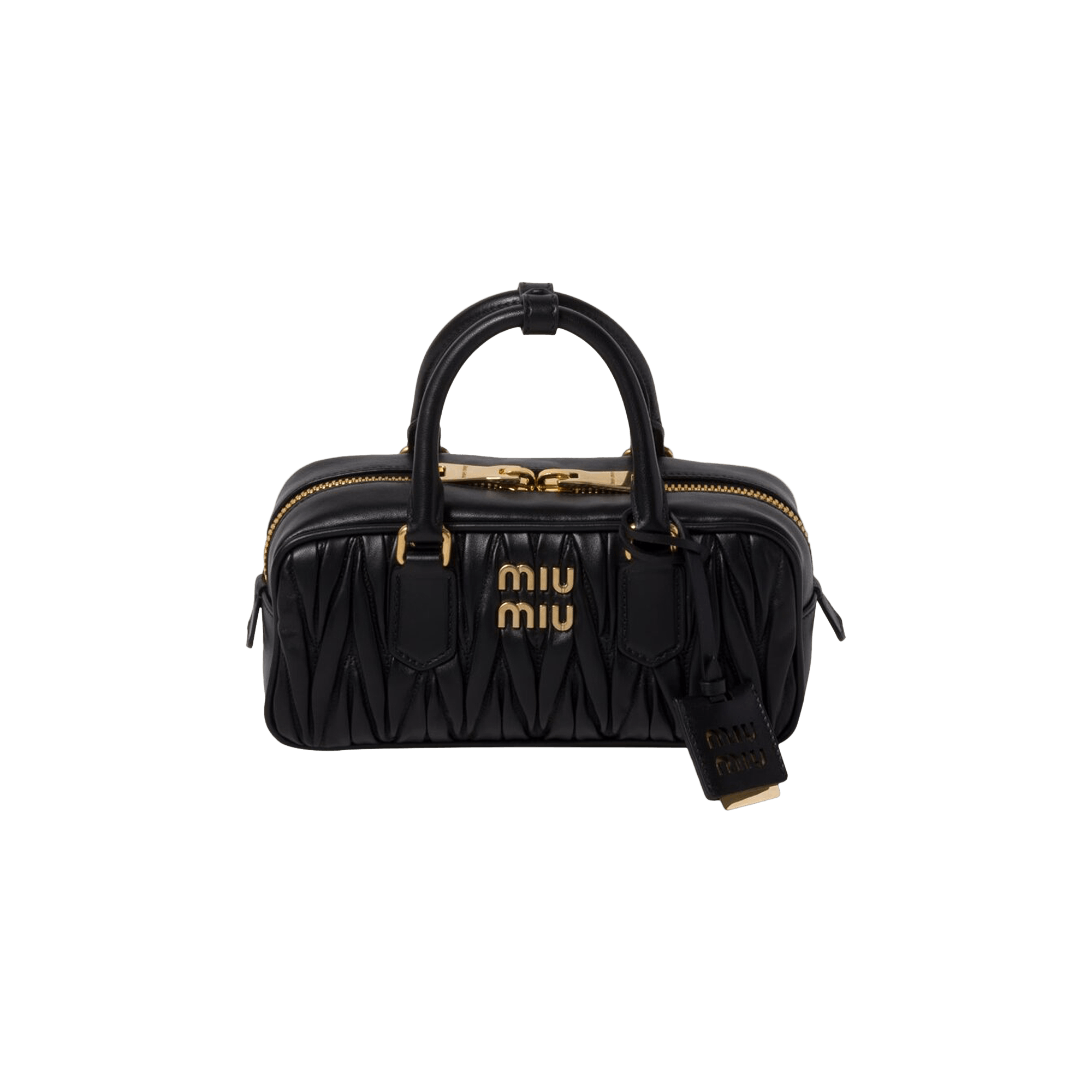
Miu Miu has become one of the hottest resale brands of the mid-2020s. The Wander bag and Arcadie have strong demand, while vintage Miu Miu pieces are increasingly collected.

About Miu Miu
Miu Miu was founded in 1992 by Miuccia Prada and launched publicly in 1993 as the younger, more experimental sister label to Prada. The name comes from Miuccia's own childhood nickname within her family. Where Prada under her direction stayed disciplined and minimalist, Miu Miu was conceived as a looser, more playful outlet, a place for ideas that were too raw, too girlish, or too subversive for the main house. The first collection, shown in 1993, leaned into a cowgirl theme of fringed suede jackets and patchwork prairie skirts, and the brand opened its first boutique on Via della Spiga in Milan the same year.
Miu Miu is wholly owned by Prada Group, but it has always operated with its own design identity and, increasingly, its own commercial gravity. Through the 1990s and 2000s it built a reputation for directional, slightly off-kilter womenswear, deliberately "ugly" shoes, ironic prints, deconstructed tailoring, that made it a favorite among editors and stylists even when it stayed a niche label relative to Prada's core business.
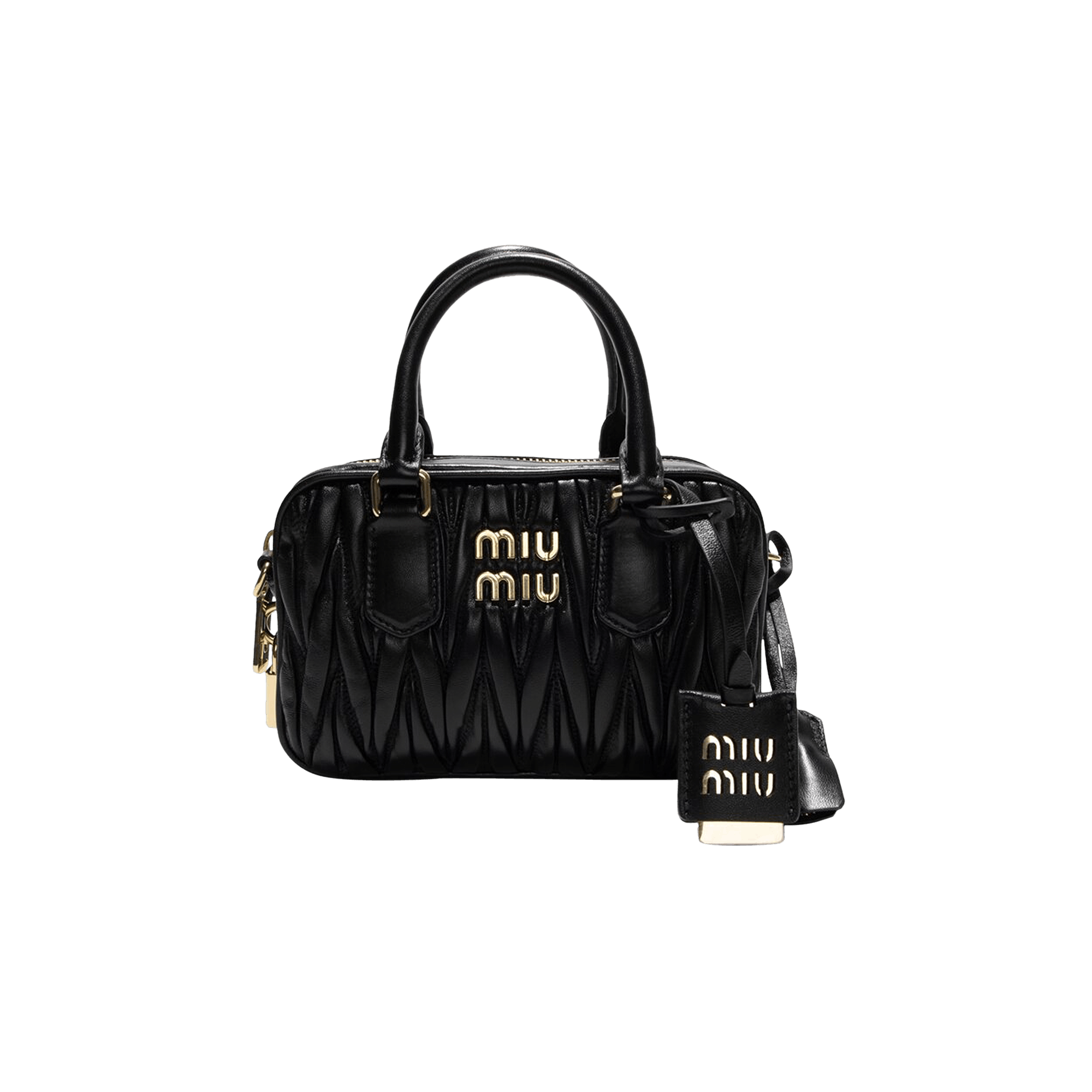
The turning point came in the 2020s. Miuccia Prada, continuing as sole creative director of Miu Miu even as she took on a co-creative role at Prada, pushed the brand toward a sharper, more youth-driven point of view. Viral runway moments, the low-rise micro skirt, ballet flats, deliberately "unfinished" tailoring, turned Miu Miu into one of the defining fashion brands of Gen Z. Handbags followed the same trajectory: the Wander, introduced on the Fall/Winter 2022 runway and immediately worn by Sydney Sweeney in the brand's campaign, became a certified It-bag within a single season, followed by the Arcadie in 2023 and the doctor-bag-inspired Aventure in 2024.
That momentum has been reflected in Prada Group's financial results, where Miu Miu has been repeatedly cited as the fastest-growing part of the business, at times outpacing Prada itself in revenue growth. Today Miu Miu sits among the handful of luxury brands that have successfully translated runway virality into sustained handbag demand, with product drops, celebrity styling, and social media moments functioning almost as a single continuous marketing engine.
Miu Miu Resale Trends
Miu Miu's resale market has been reshaped almost entirely by the brand's 2022–2024 viral run. Before the Wander, secondhand Miu Miu bags were a niche category; today, hero styles trade actively across StockX, Fashionphile, and Vestiaire Collective, with resale performance closely tracking how visible a bag has been in celebrity styling and on social media in the preceding months.
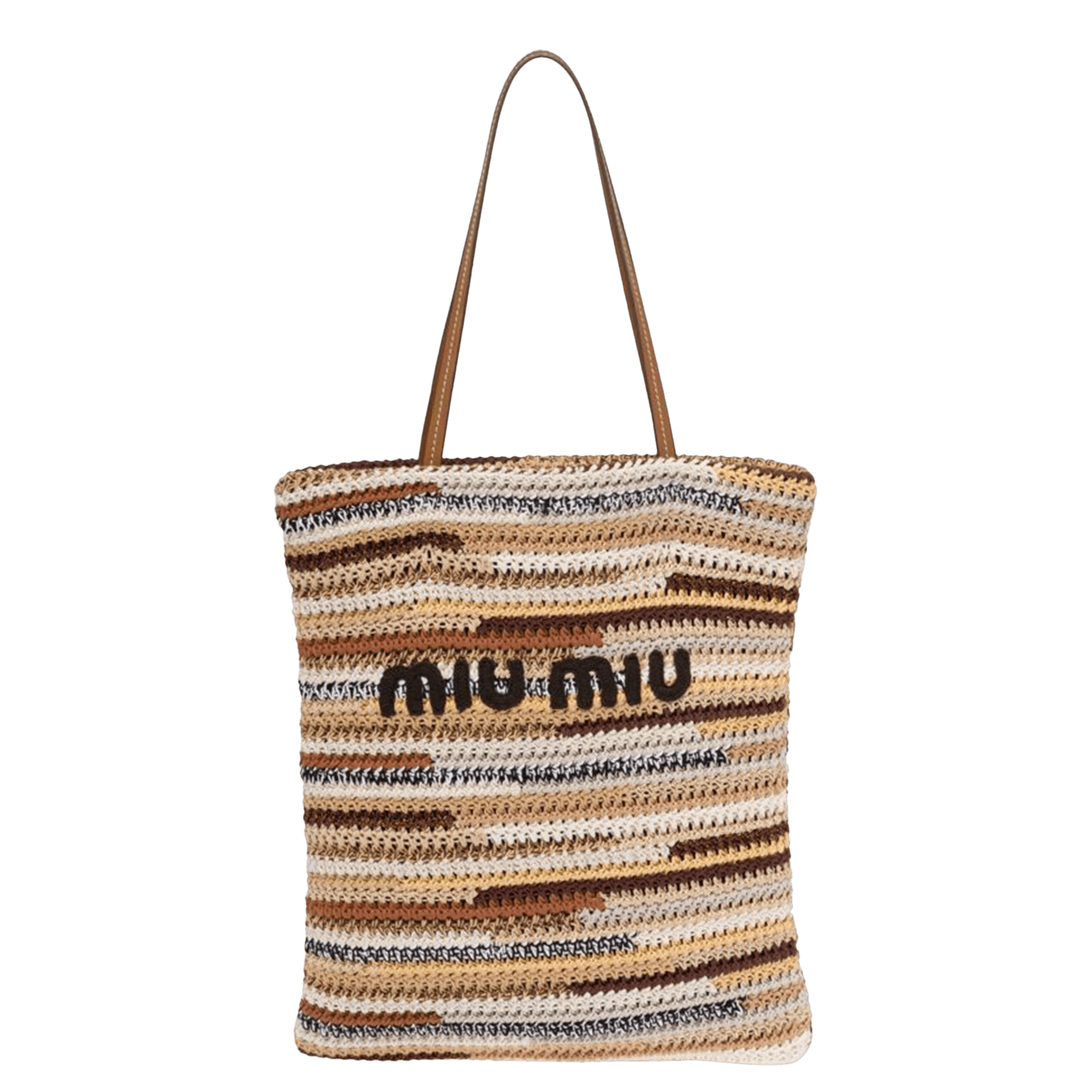
Retention is uneven. The Wander and Arcadie, Miu Miu's two flagship hits, typically hold somewhere in the 55–85% of retail range depending on colorway, condition, and how close a listing is to a fresh runway or campaign moment, desirable colors in strong condition can sell close to retail, while common black colorways in a saturated market trade toward the lower end. Newer or more novelty-driven pieces, such as the raffia and crochet Ivy-line bags that went viral as a "summer bag" trend, tend to depreciate faster once the seasonal trend cycle passes, since their value is more attached to a moment than to long-term collectibility.
Entry-level Ivy and matelassé leather styles perform more like traditional designer accessories: steadier but less spectacular, appealing to buyers who want the house's signature quilting and logo hardware without paying flagship prices. Overall, Miu Miu resale is currently driven more by hype and cultural timing than by classic "investment bag" logic, which makes it a more volatile category than long-established houses but also one where scarcity and celebrity attention can create outsized short-term premiums.