Nike
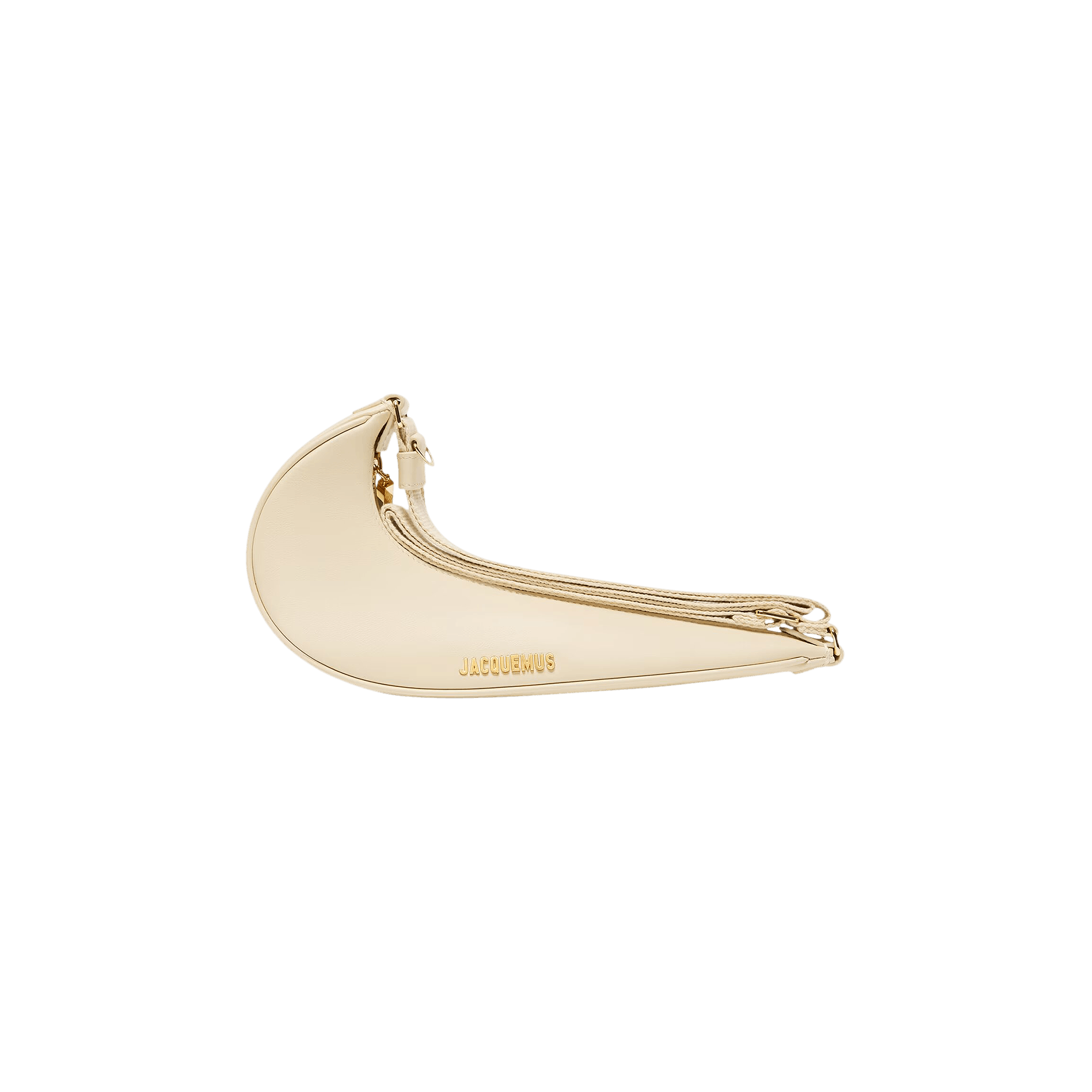
Nike's everyday bags (Heritage totes, backpacks, and crossbody styles) are continuously restocked and typically resell at 50-65% of retail, holding modest but stable value rather than appreciating. Limited designer collaborations are a different story: the Jacquemus x Nike Le Sac Swoosh launched at $525 in February 2024 and its original Ivory and Dark Brown colorways still trade close to full retail, while later colorways from the Summer 2024 follow-up drop have cooled faster, a hype-cycle pattern much closer to Nike's sneaker drops than to classic leather goods.


About Nike
Nike's origins trace to a lunch meeting on January 25, 1964, between University of Oregon track athlete Phil Knight and his former coach Bill Bowerman. The two agreed to a 50-50 partnership and formed Blue Ribbon Sports, a company built initially around importing Japanese-made Onitsuka Tiger running shoes into the United States. Knight sold the shoes out of the trunk of his car at track meets around the Pacific Northwest, while Bowerman experimented with shoe design in his garage, chasing marginal gains for his runners.
The Onitsuka Tiger distribution relationship eventually broke down, and in 1971 Blue Ribbon Sports renamed itself Nike, after the Greek goddess of victory. That same year, the company commissioned the now-famous Swoosh logo from graphic design student Carolyn Davidson for a fee of $35. Bowerman's continued tinkering, most notably pouring rubber into his wife's waffle iron to create a new outsole pattern, produced the Waffle Trainer, one of Nike's first commercially significant shoes.
Nike grew rapidly through the 1970s and 1980s, going public in 1980 and transforming the athletic footwear industry through aggressive athlete endorsement deals, most famously with Michael Jordan starting in 1984. The Air Jordan line, launched in 1985, effectively invented modern sneaker culture and the secondary market that surrounds it today. Under Knight's leadership and later CEOs, Nike expanded from footwear into apparel, equipment, and accessories, becoming the largest sportswear company in the world by revenue.
Bags and backpacks have long been a secondary but consistent part of Nike's business, sold mainly through the Nike Sportswear line as functional, mass-market gear (the Heritage Collection being the clearest current example) rather than fashion statements. That has changed periodically through collaborations: partnerships with streetwear and luxury names have occasionally pushed Nike accessories into genuine hype territory, borrowing the scarcity-driven playbook Nike itself pioneered with sneakers. The clearest recent example is the February 2024 collaboration with French fashion house Jacquemus, which reimagined the Nike Swoosh logo itself as a leather handbag silhouette (the Le Sac Swoosh) fronted by a Sha'Carri Richardson campaign, a rare instance of Nike accessories crossing into luxury-adjacent fashion territory and commanding resale premiums the way Nike's sneakers do.
Nike Resale Trends
Nike's bag and backpack resale market splits cleanly into two tiers. The vast majority of Nike bags, Heritage totes, backpacks, and crossbody pieces sold continuously through Nike.com and retail partners, are mass-produced accessories with essentially unlimited supply. These trade on the secondary market at or below their original retail price, since a buyer can typically find the same item new at any time.
The other tier is defined by scarcity and collaboration. Limited-run designer partnerships, such as the Jacquemus x Nike Le Sac Swoosh released in February 2024, behave much more like Nike's collectible sneaker drops: a capped release, heavy celebrity and influencer visibility, and immediate resale demand that can push prices well above the original retail figure, at least in the months immediately following release.
Because Nike's core bag business is built on everyday utility rather than collectibility, buyers should expect most Heritage-line pieces to be judged on functional resale value alone, while any Nike bag tied to a named designer collaboration or limited capsule should be evaluated more like a hype release, where scarcity, colorway, and campaign visibility, not craftsmanship, drive the price.