Off-White
Off-White resale has cooled significantly since its 2021-2022 peak. Early Virgil Abloh-era pieces and the most recognizable bag silhouettes still command real demand, but the brand is no longer a reliable across-the-board flip the way it was during Abloh's lifetime.

Off-White Bags
About Off-White
Off-White was founded by Virgil Abloh in 2012, growing out of an earlier, smaller project called Pyrex Vision, in which Abloh bought deadstock Ralph Lauren flannel shirts, screen-printed them with graphics and a large price markup, and resold them as a commentary on hype and value in streetwear. Abloh, a trained architect and engineer who had interned at Fendi alongside Kanye West in 2009, relaunched the concept in 2013 under the Off-White name, building a label around the idea of operating in the gray area, quite literally "off-white", between streetwear and high fashion, and between original design and open commentary on it.
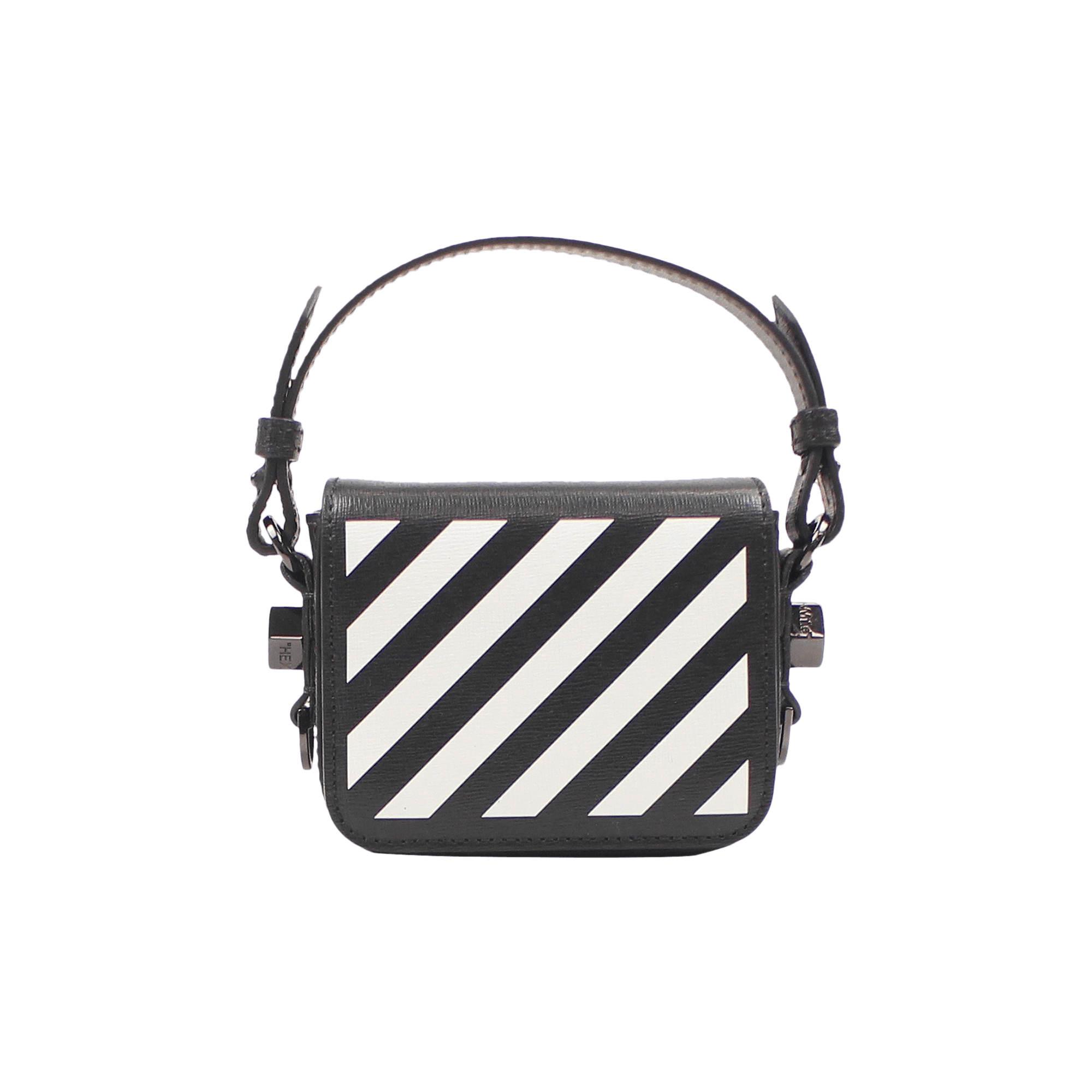
The brand added womenswear and made its Paris Fashion Week debut in 2014. Its diagonal-striped "Industrial" belt, quotation marks around plain object names, and repurposed caution-tape yellow became some of the most widely recognized visual signatures in 2010s fashion, spreading well beyond the brand's own product into a broader design language other labels borrowed from. In 2015, Off-White was a finalist for the LVMH Prize, the award that recognizes emerging designers, and the recognition helped cement the label's standing among established luxury houses rather than as a niche streetwear line. Abloh's parallel appointment as artistic director of Louis Vuitton menswear in 2018, the first American of African descent to hold that role at a major French house, further raised Off-White's profile by association.
In July 2021, LVMH acquired a 60% stake in Off-White, with Abloh retaining the remaining 40%. Five months later, in November 2021, Abloh died at age 41 after privately battling cardiac angiosarcoma, a rare heart cancer, for two years. His death triggered an immediate, dramatic spike in demand for existing Off-White product across resale platforms, as collectors moved to secure pieces from a designer whose creative output had permanently ended.
Ib Kamara, a longtime Abloh collaborator, was named creative director in 2022, the first person to hold the role since Abloh's death. The brand has struggled to maintain its earlier momentum in the years since: Kamara departed the role, LVMH closed Off-White's New York flagship and its retail network in China, and in 2024 LVMH sold the label to Bluestar Alliance, a New York brand-management firm, ending the house's run as an LVMH-owned maison. Off-White continues to operate today as a smaller, more focused streetwear-adjacent label, with its resale relevance now concentrated heavily around Abloh-era archive pieces rather than current collections.
Off-White Resale Trends
Off-White's resale market has moved in two distinct phases. In the years immediately following Virgil Abloh's death in late 2021, demand for the brand spiked sharply, with resale platforms reporting a rush of buyers seeking to lock in pieces from a designer whose output had definitively ended; both new and archival product briefly traded above retail across many categories, bags included.
That premium has faded substantially since. Overall demand for Off-White on major resale marketplaces has declined meaningfully, tracking a broader cooling in streetwear-adjacent luxury and compounded by the brand's post-Abloh creative instability and its 2024 sale out of LVMH. It is no longer a brand where nearly anything with the diagonal logo reliably resells at a markup.
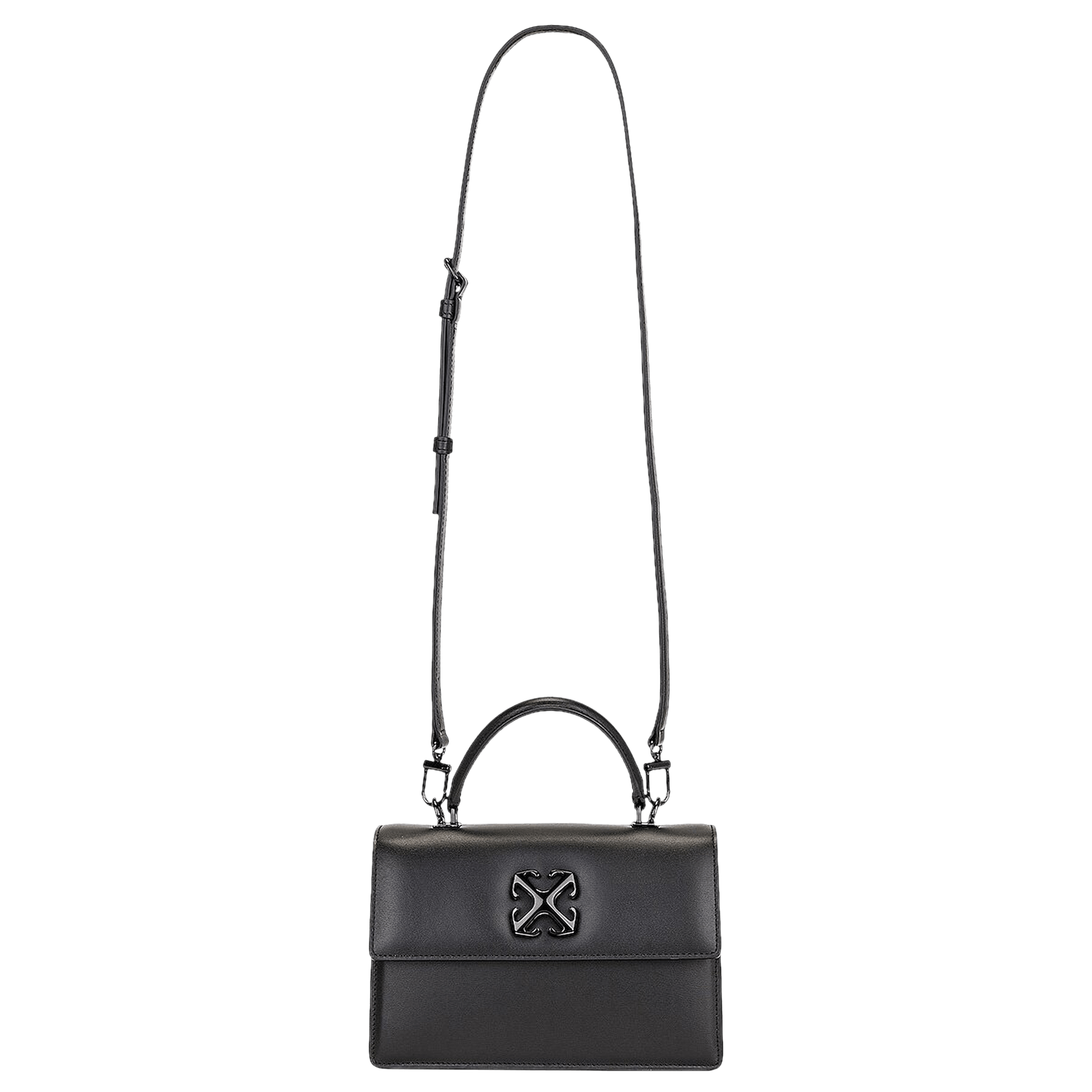
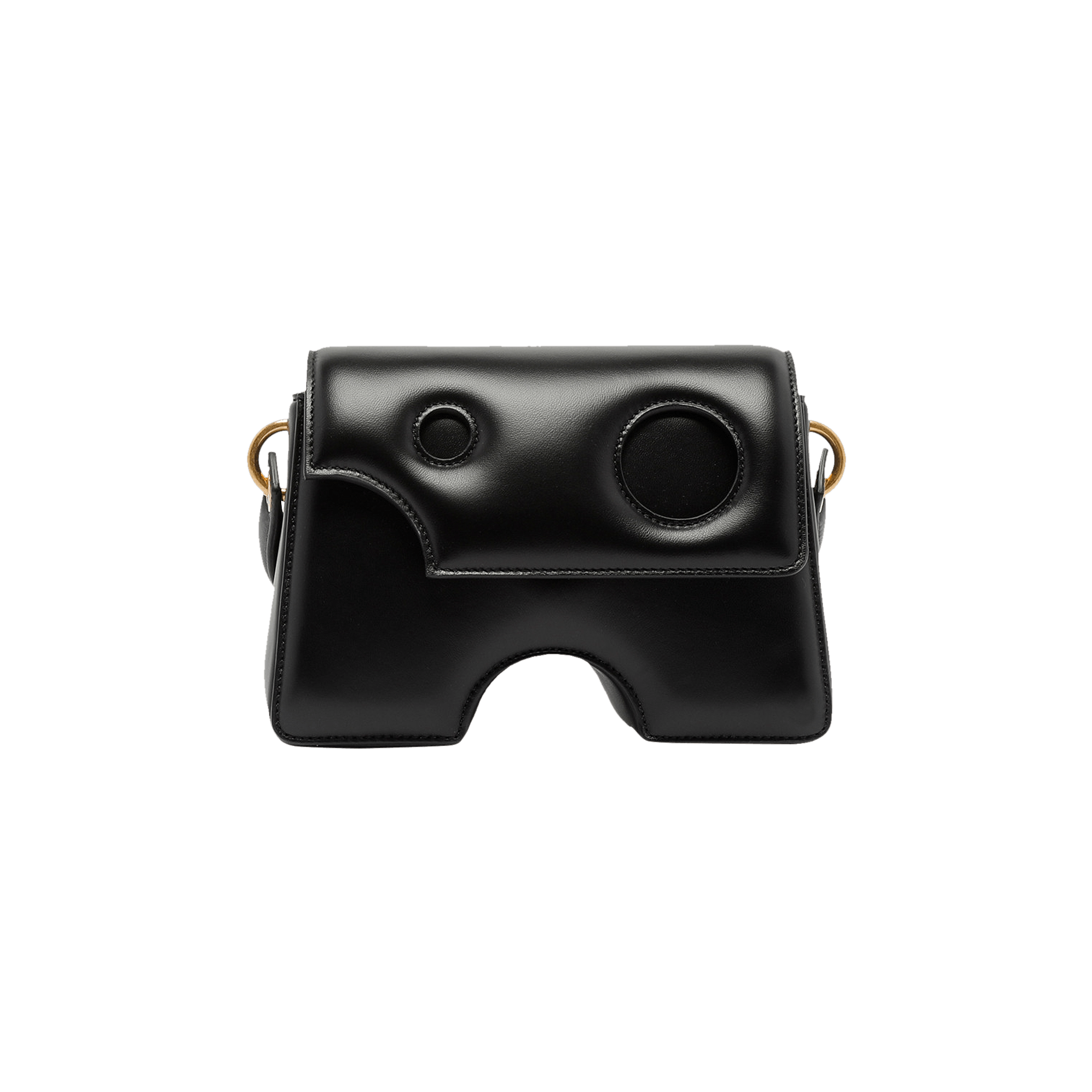
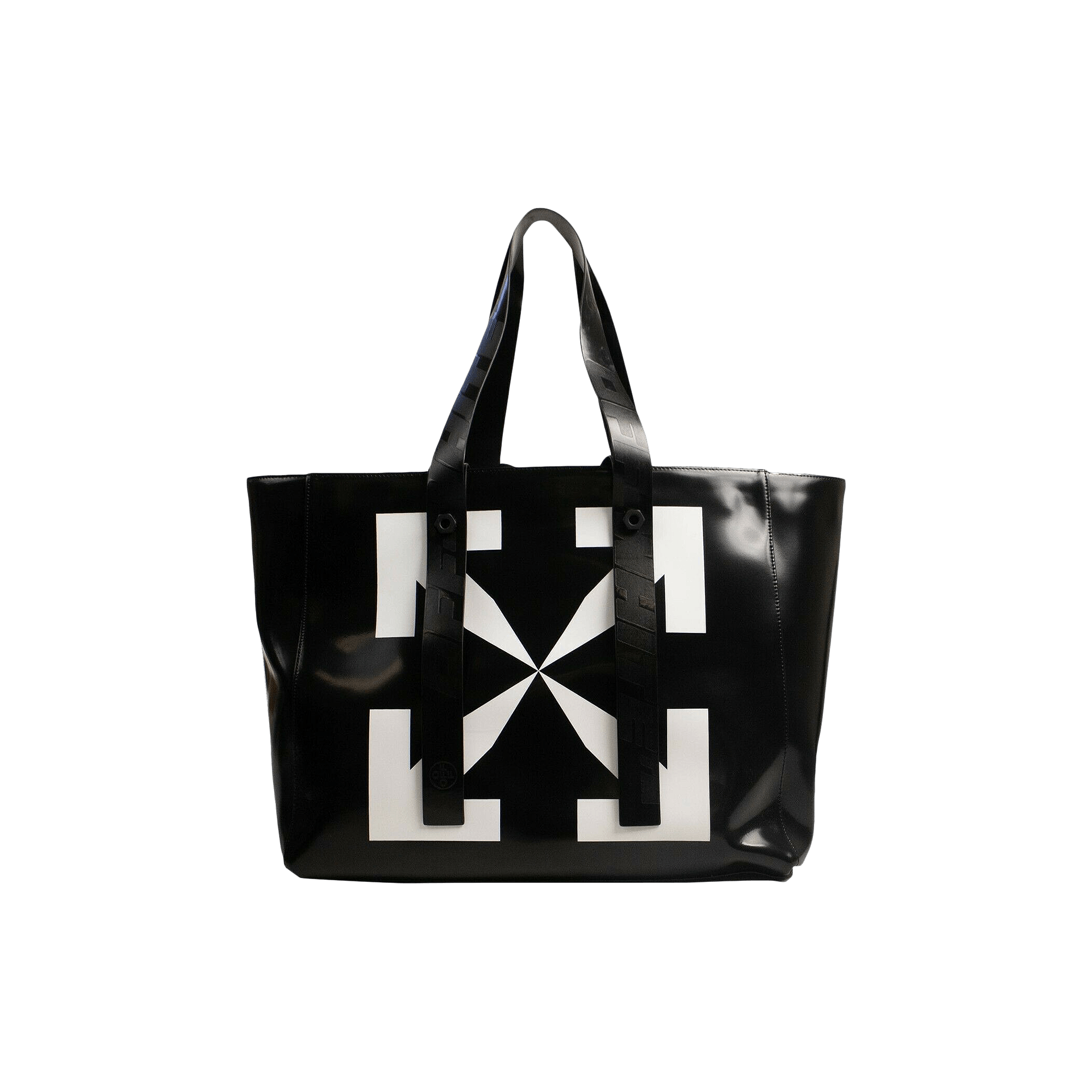
What still holds up is narrower: recognizable, well-known bag silhouettes from the Abloh era, especially pieces tied to his most quoted design motifs, continue to find steady buyers, and pristine, well-documented examples of his most iconic releases can still command a premium among dedicated collectors. Newer, non-Abloh product generally depreciates in line with, or faster than, mainstream contemporary designer bags, so buyers should treat Off-White less as a guaranteed flip and more as a brand where provenance and specific-piece recognition now matter more than the logo alone.