Saint Laurent
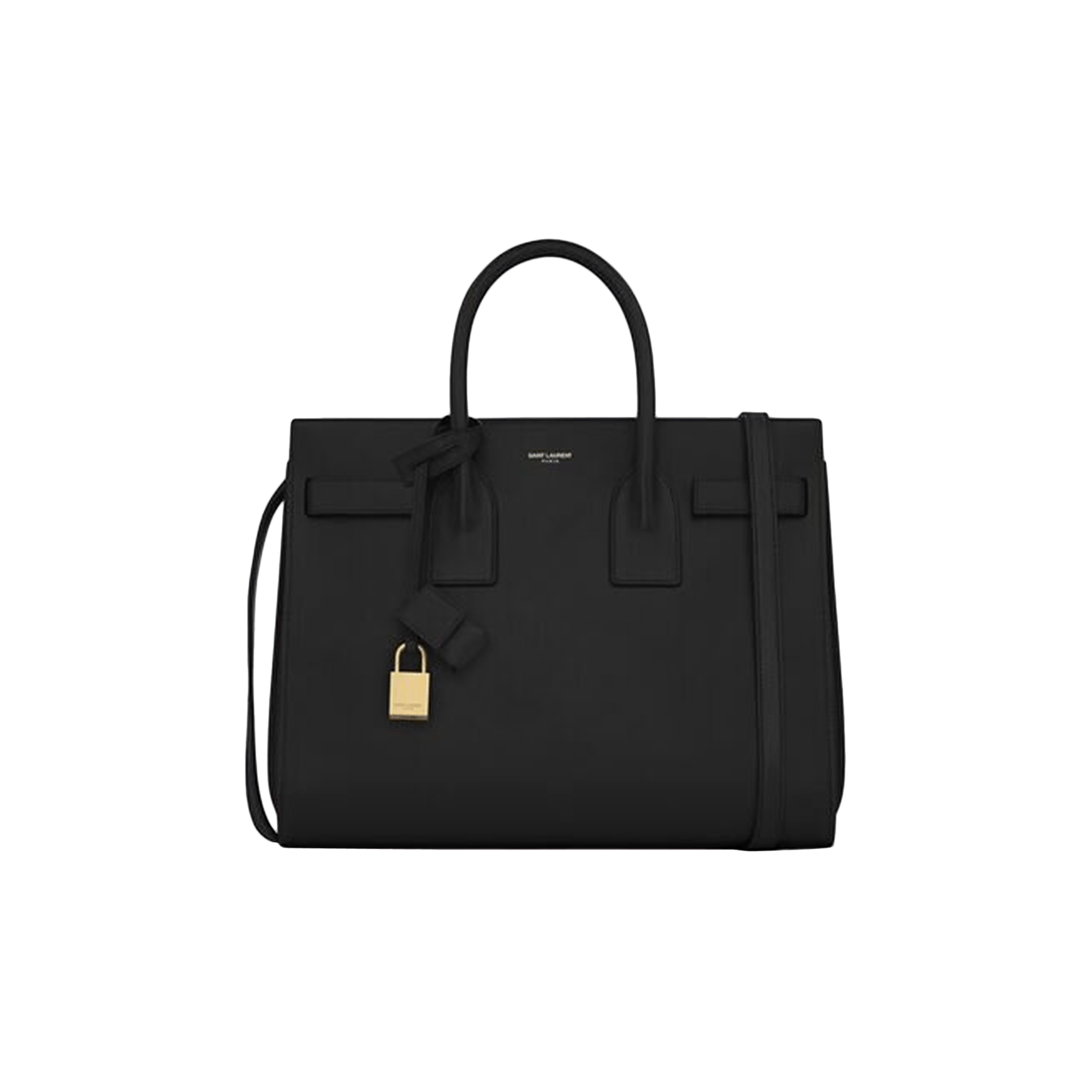
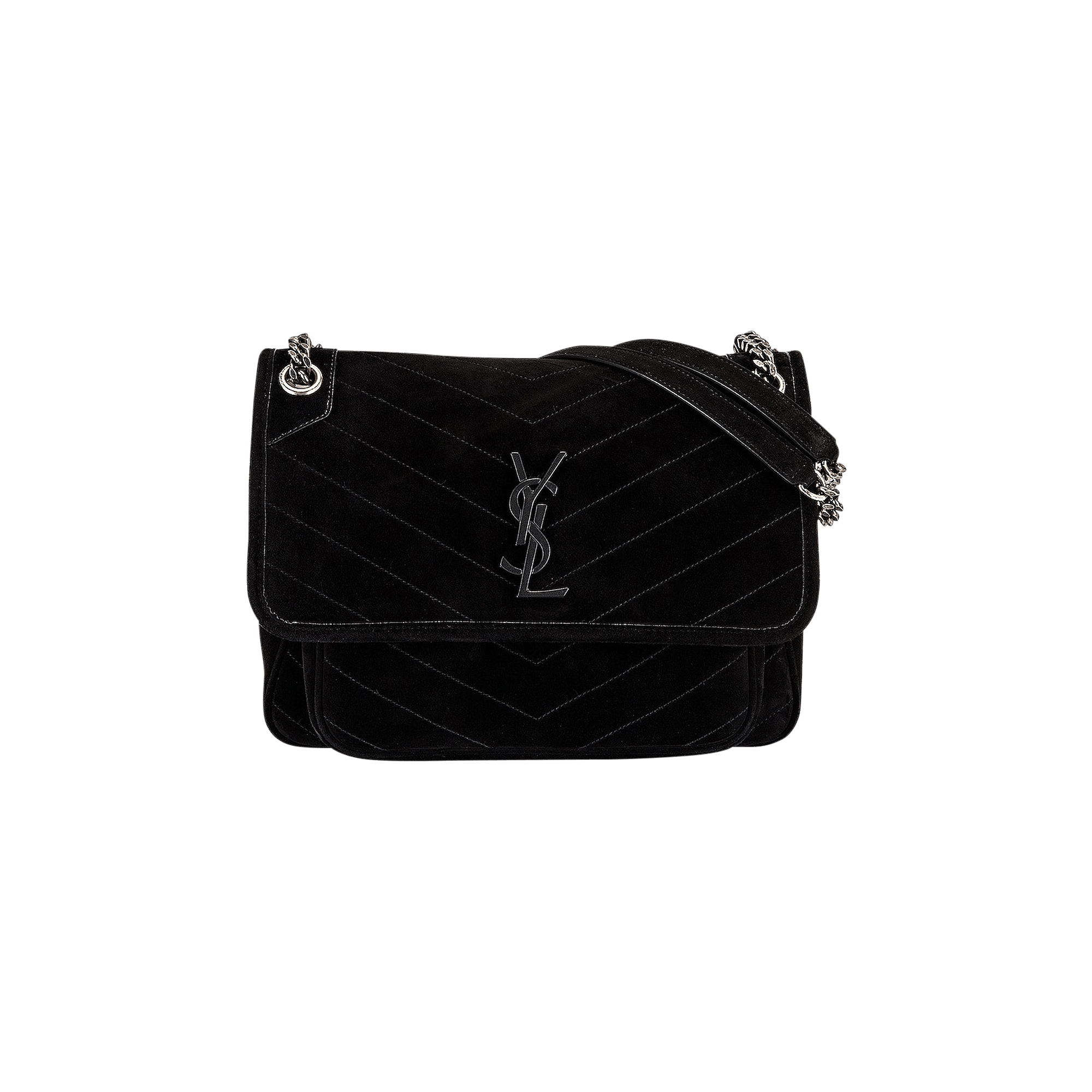
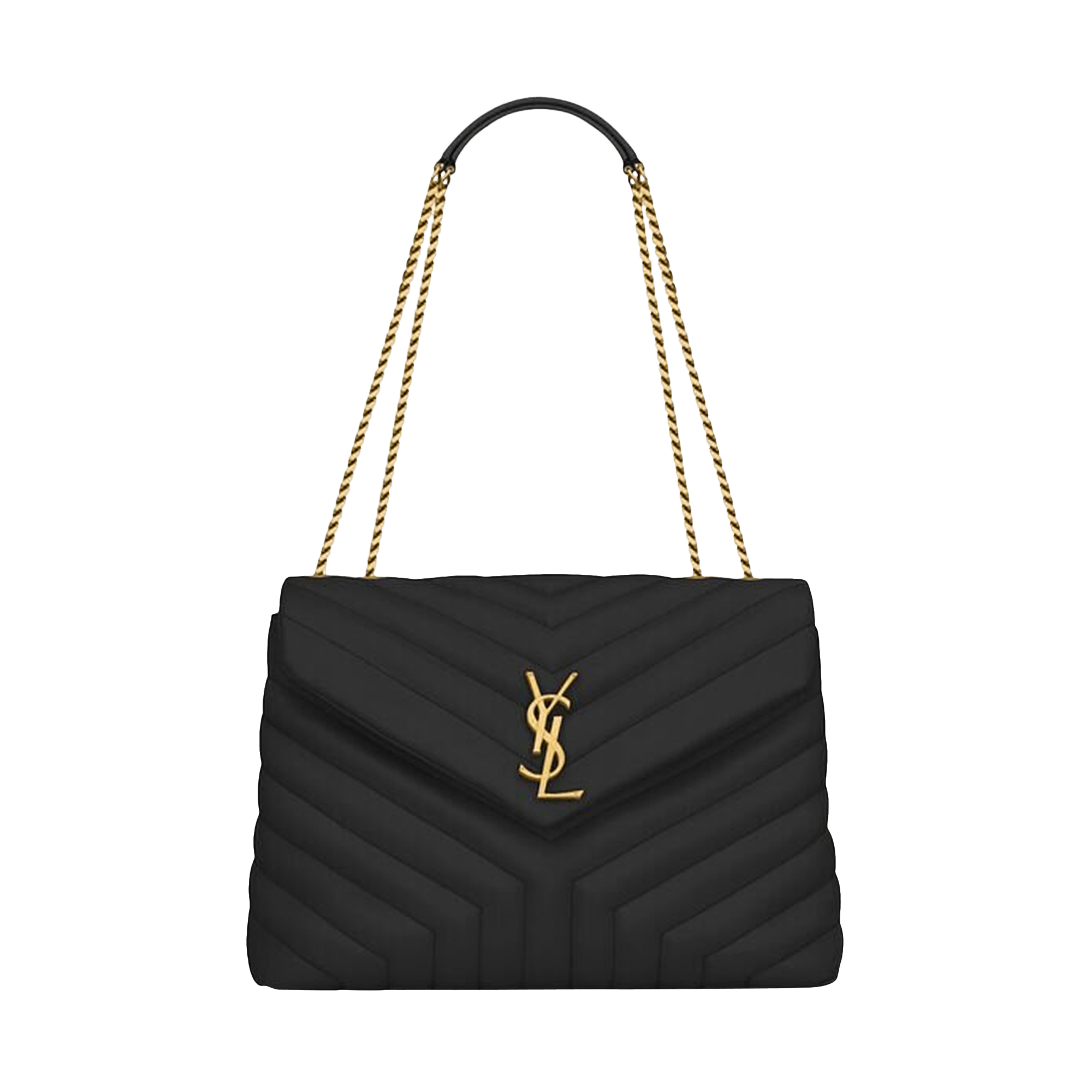
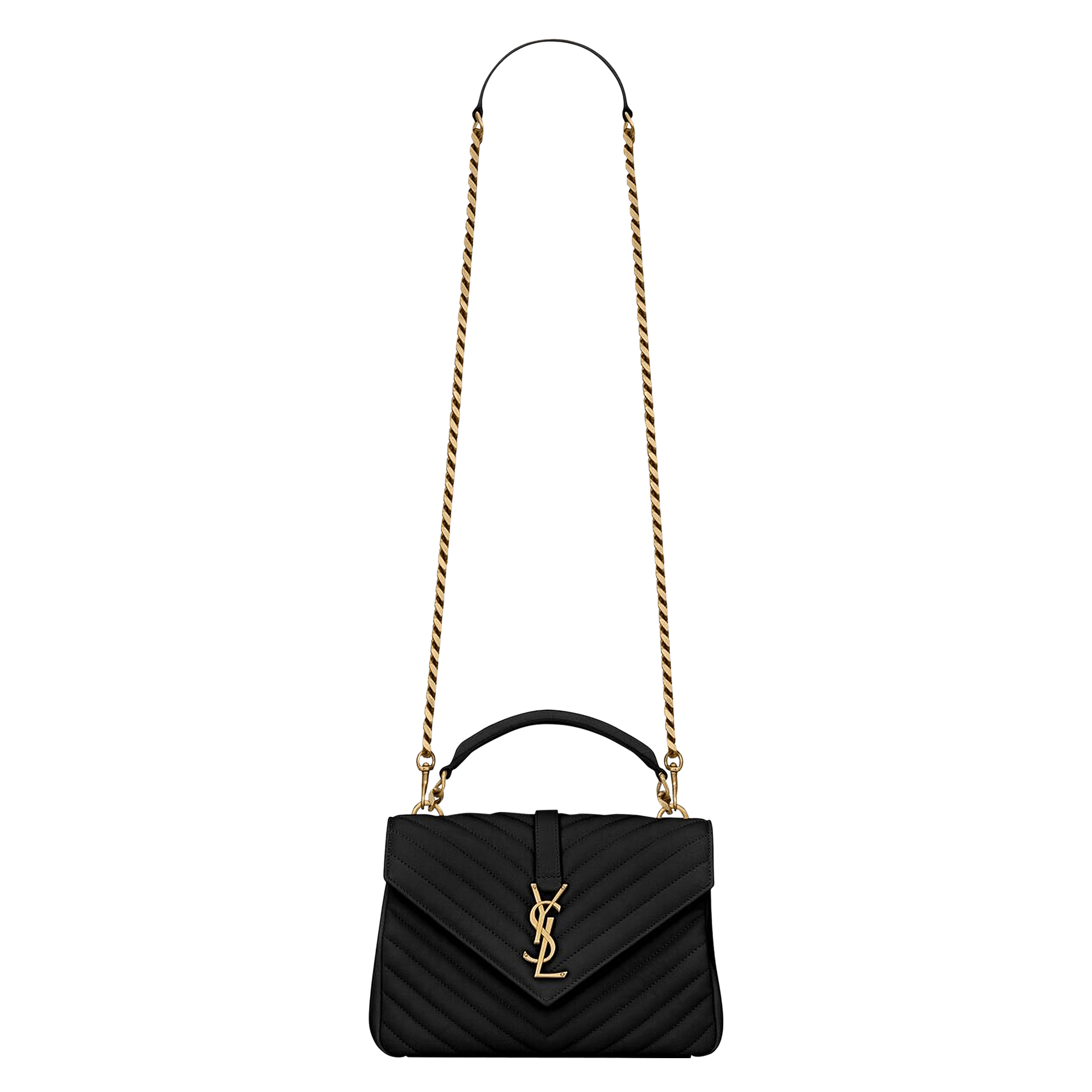
Saint Laurent bags retain strong resale value, especially the chevron-quilted Loulou, College, and Niki lines and the structured Sac de Jour. YSL-era archive pieces are increasingly sought by collectors.

Saint Laurent Bags
About Saint Laurent
Yves Saint Laurent was born in 1936 in Oran, in French Algeria. He moved to Paris to study fashion and, at just 21 years old, was named head designer of the House of Dior after Christian Dior's sudden death in 1957 — a remarkable ascension for someone so young to lead one of the most important couture houses in the world. His tenure there was cut short in 1960 when he was drafted into the French military; a subsequent hospitalization and his replacement at Dior led to his departure from the house.
In 1961, Saint Laurent and his partner Pierre Bergé founded their own maison, Yves Saint Laurent, with Bergé running the business side while Saint Laurent focused on design. The house showed its first collection in January 1962 to strong acclaim. Through the 1960s and 1970s, Saint Laurent became one of the most influential designers of the twentieth century, credited with popularizing the safari jacket, the pea coat, and — most famously — Le Smoking, the tuxedo suit for women introduced in 1966, which challenged conventions about how women could dress for evening occasions. That same year he opened Rive Gauche, a ready-to-wear boutique concept that helped make designer fashion more broadly accessible outside of couture clients.
Saint Laurent retired in 2002, and the house passed through a series of creative directors who each left a distinct mark. Tom Ford led the brand from 2000 to 2004 with a sleek, sexualized aesthetic; Stefano Pilati followed from 2004 to 2012 with a more refined, Parisian sensibility. The most significant recent turning point came in 2012, when Hedi Slimane took over, moved the design studio to Los Angeles, and rebranded the house from “Yves Saint Laurent” to simply “Saint Laurent,” steering it toward a rock-and-roll, downtown aesthetic. Slimane also elevated handbags to a central part of the brand's business, launching the Sac de Jour in 2013 as a structured, minimalist alternative to more ornamented luxury totes.
Anthony Vaccarello succeeded Slimane in 2016 and has continued to expand the handbag category, introducing the quilted Loulou (2016) and the crinkled-leather Niki (2017) alongside continued investment in chain-strap shoulder bags. Owned today by Kering, Saint Laurent has become one of the group's largest and fastest-growing houses, with handbags now a core pillar of its business rather than a secondary category to ready-to-wear.
Saint Laurent Resale Trends
Saint Laurent handbags perform consistently well on the resale market relative to other contemporary luxury houses, generally retaining a healthy share of their retail value. The brand's quilted chevron leather goods — the Loulou, College Bag, and Niki — are the most reliably strong resale performers, helped by instantly recognizable stitching and a monogram hardware plaque that photographs clearly in resale listings, which matters for buyer confidence in authentication.
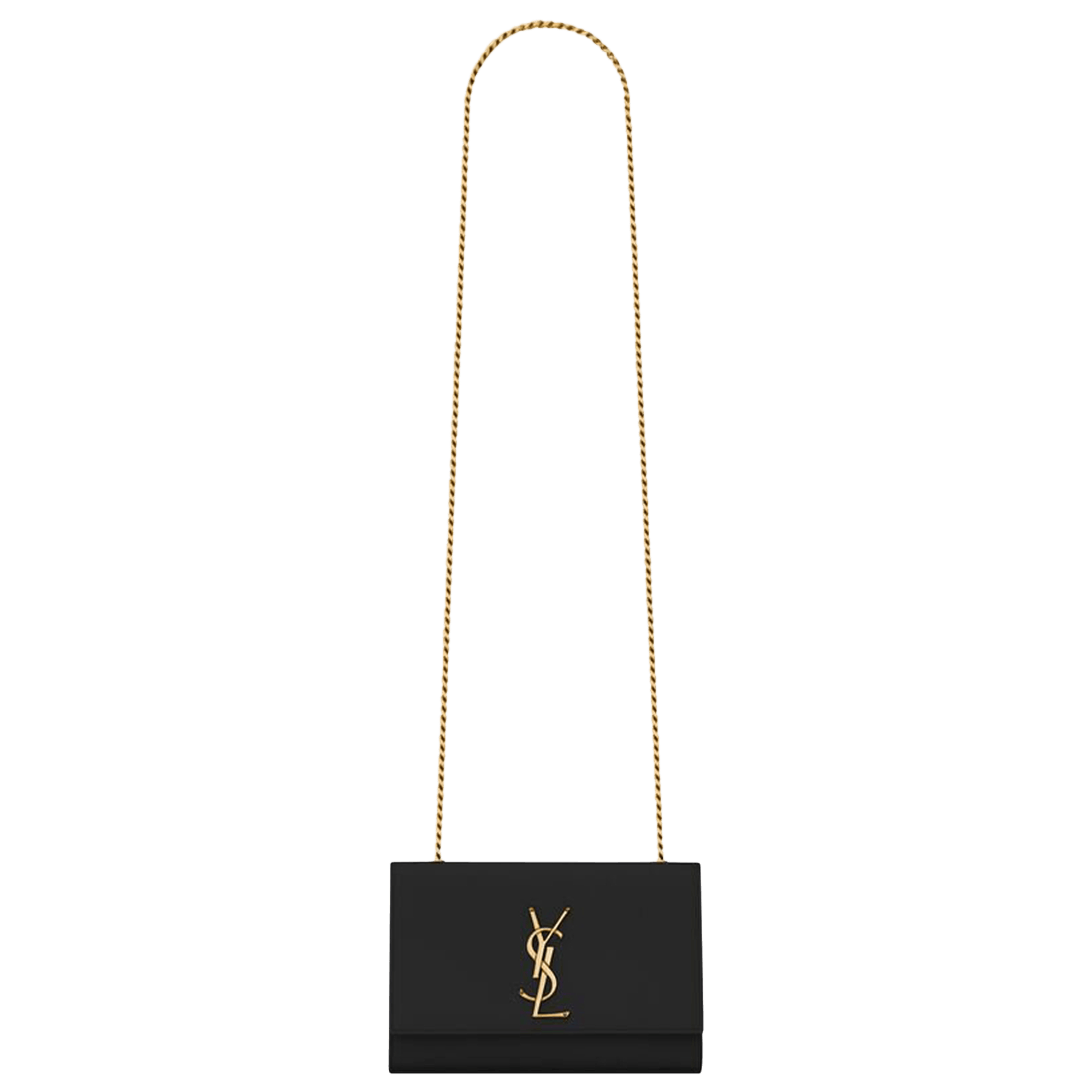
Structured, minimalist styles like the Sac de Jour and Kate Bag also hold steady demand, benefiting from celebrity and model associations dating back to the Hedi Slimane era, though they see less of the viral, seasonal spikes that affect logo-forward pieces. Because Saint Laurent has changed creative direction several times since 1961, certain archive-era pieces — particularly from the Tom Ford years — have developed a smaller but dedicated collector following distinct from current-collection demand.
Overall, Saint Laurent bags are considered a comparatively stable resale category within contemporary luxury: they don't typically appreciate the way ultra-scarce limited editions do, but they also don't depreciate as sharply as more trend-dependent accessible-luxury brands, making them a common recommendation for buyers looking for durable secondary-market value.