Sprayground
Sprayground resale value is drop-driven: core styles hold modest value, while sold-out licensed collabs (DC, Disney, Nickelodeon) and anniversary releases can sell for at or above original retail.

About Sprayground
Sprayground was founded in 2010 by David Ben David, a Bronx-born designer known in the industry as DBD. Ben David studied product and graphic design at the School of Visual Arts in New York City, and before starting Sprayground he ran an earlier venture called DBD Land, launched in 2006. That first business gave him a working knowledge of manufacturing and licensing that he carried directly into his next brand.
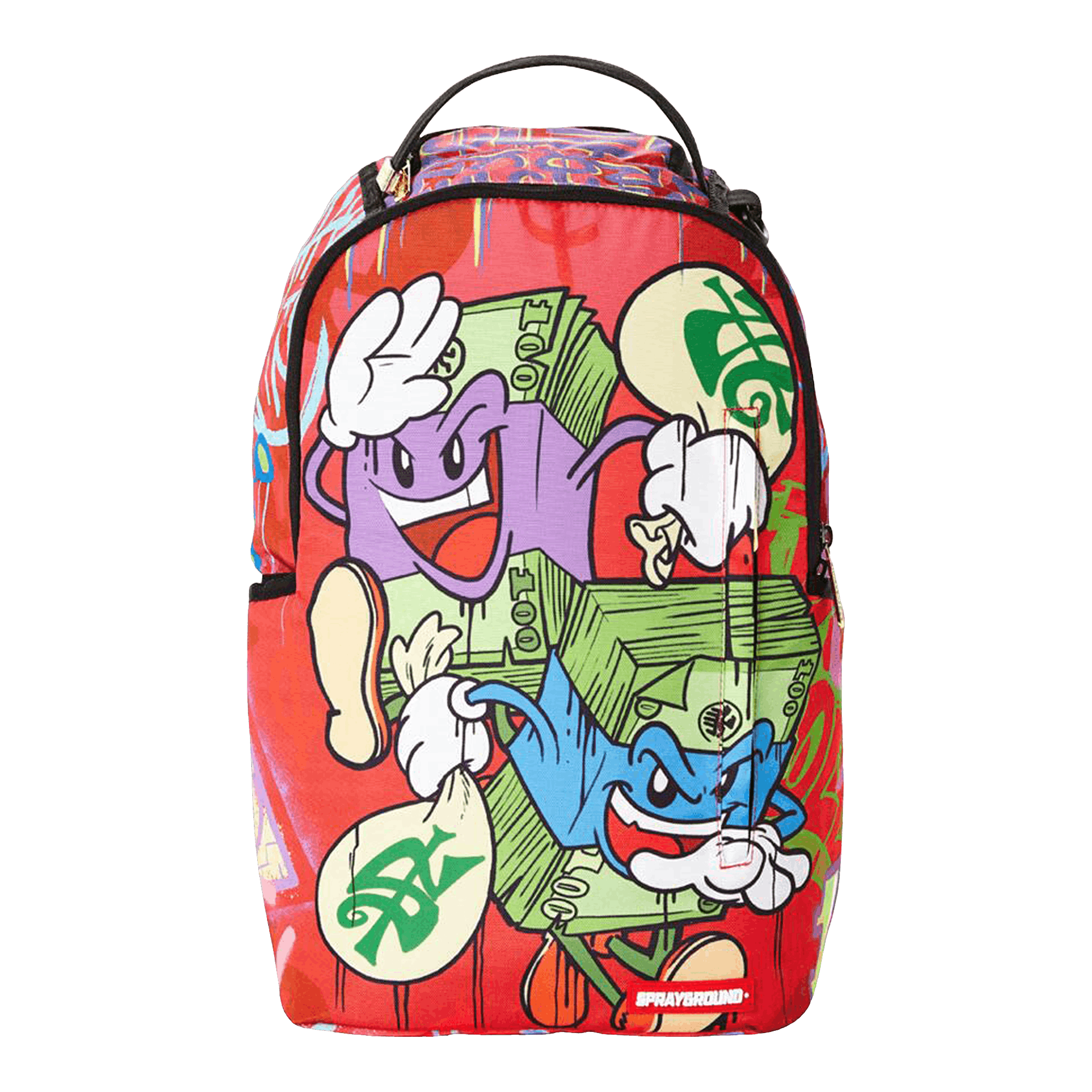
Sprayground's founding idea was simple: backpacks had been treated as a purely functional category, and Ben David set out to make them a canvas for streetwear graphics instead. The brand's first release, the "Hello My Name Is" backpack, sold out quickly in 2010, and its 2012 follow-up, the Money Stacks Backpack, printed to resemble bundled cash, became the brand's first true breakout hit after 50 Cent and other artists were photographed wearing it. Sprayground built its model around limited, non-restocked production runs, a scarcity approach borrowed from streetwear and sneaker culture rather than traditional accessories retail.
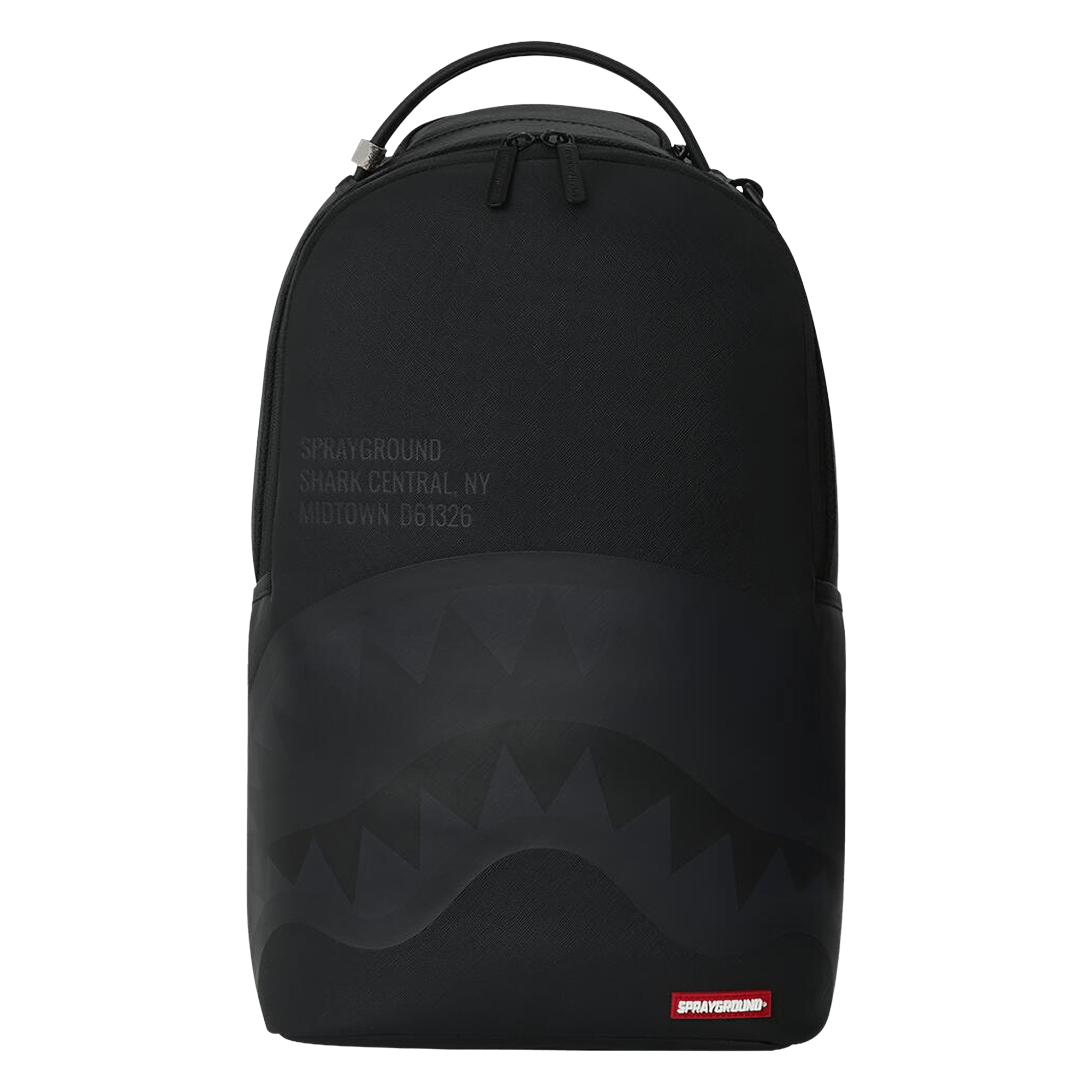
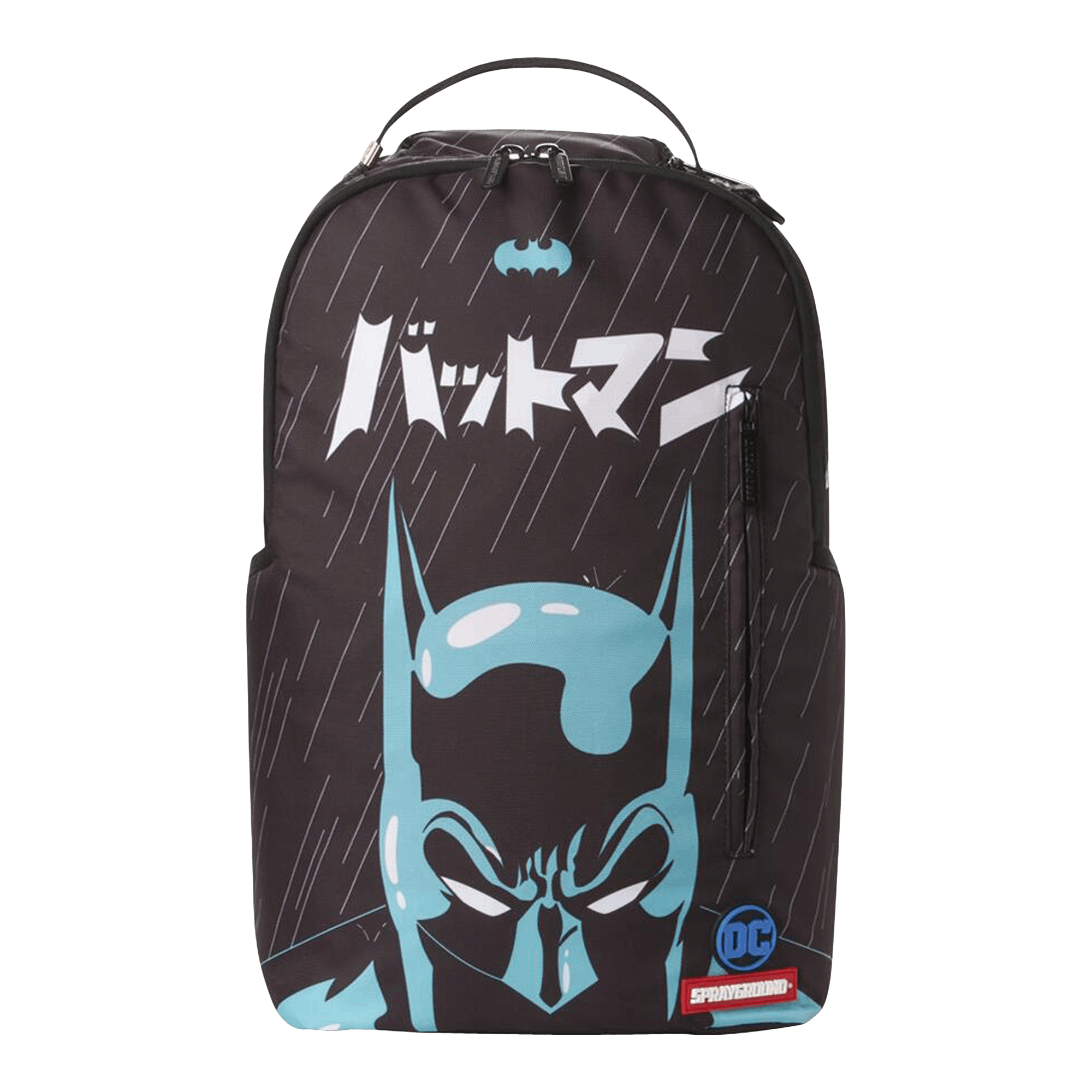
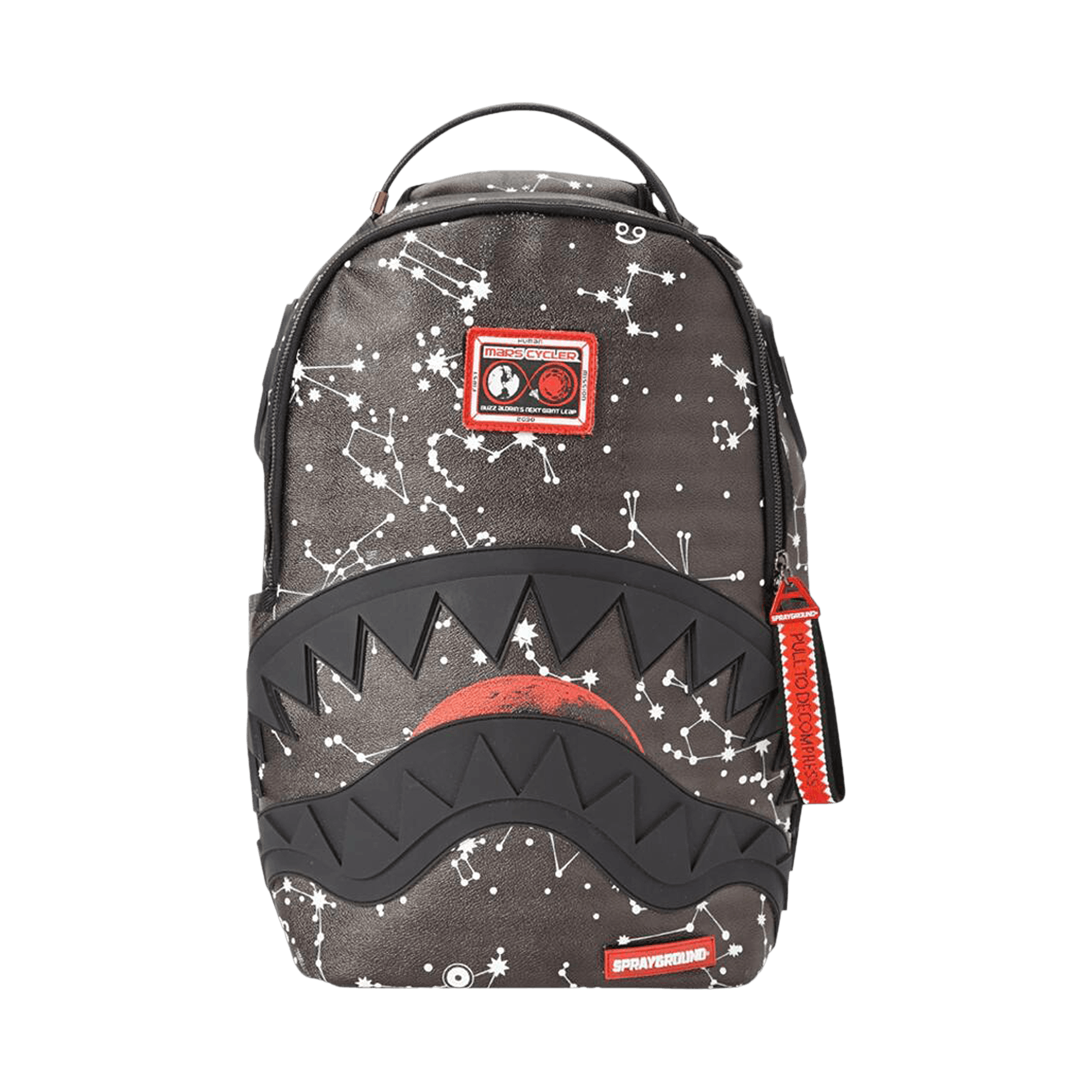
Through the mid-2010s the brand introduced its most recognizable design, the 3D rubber sharkmouth appliqué that anchors the ongoing "Shark Central" line, and expanded aggressively into licensing. Partnerships with Nickelodeon (SpongeBob), Disney, DC Comics, the NBA, Formula One, Porsche, and Star Wars turned Sprayground from a single-product novelty into a broad accessories house sold in more than 90 countries, alongside apparel, swimwear, and travel gear.
In 2025 Sprayground marked its 15th anniversary with a collection of roughly 450 individual bag designs, including tech-integrated pieces like the solar-panel-and-USB-equipped "SHARKSTELLATION" backpack. The brand remains privately held and continues to position itself around bold, maximalist graphics and celebrity/athlete visibility rather than traditional luxury materials or construction, competing more directly with streetwear labels than with heritage leather-goods houses.
Sprayground Resale Trends
Sprayground sits at the accessible end of the resale market: most bags retail between $60 and $200, and the secondary market tracks closely with hype and scarcity rather than material value. Because the brand rarely restocks a given print, discontinued colorways of core designs like the Shark Central and Money Stacks lines can trade at or modestly above original retail, while widely reissued colorways of the same silhouettes typically settle below MSRP once the initial drop excitement fades.
Licensed collaborations are the strongest resale performers. DC Comics, Disney, and Nickelodeon crossover pieces, along with anniversary and "ultra-rare" capsule releases, regularly draw the highest resale premiums because they combine Sprayground's design language with outside fandoms that have their own collector base. Everyday core styles without a collaboration or limited-run story tend to depreciate the way most mass-market accessories do.
Overall, buyers should expect Sprayground resale value to behave more like sneaker or streetwear resale than like traditional handbag resale, driven by drop scarcity, social-media visibility, and celebrity co-signs, with value concentrated in specific named releases rather than the brand as a whole.