Tory Burch
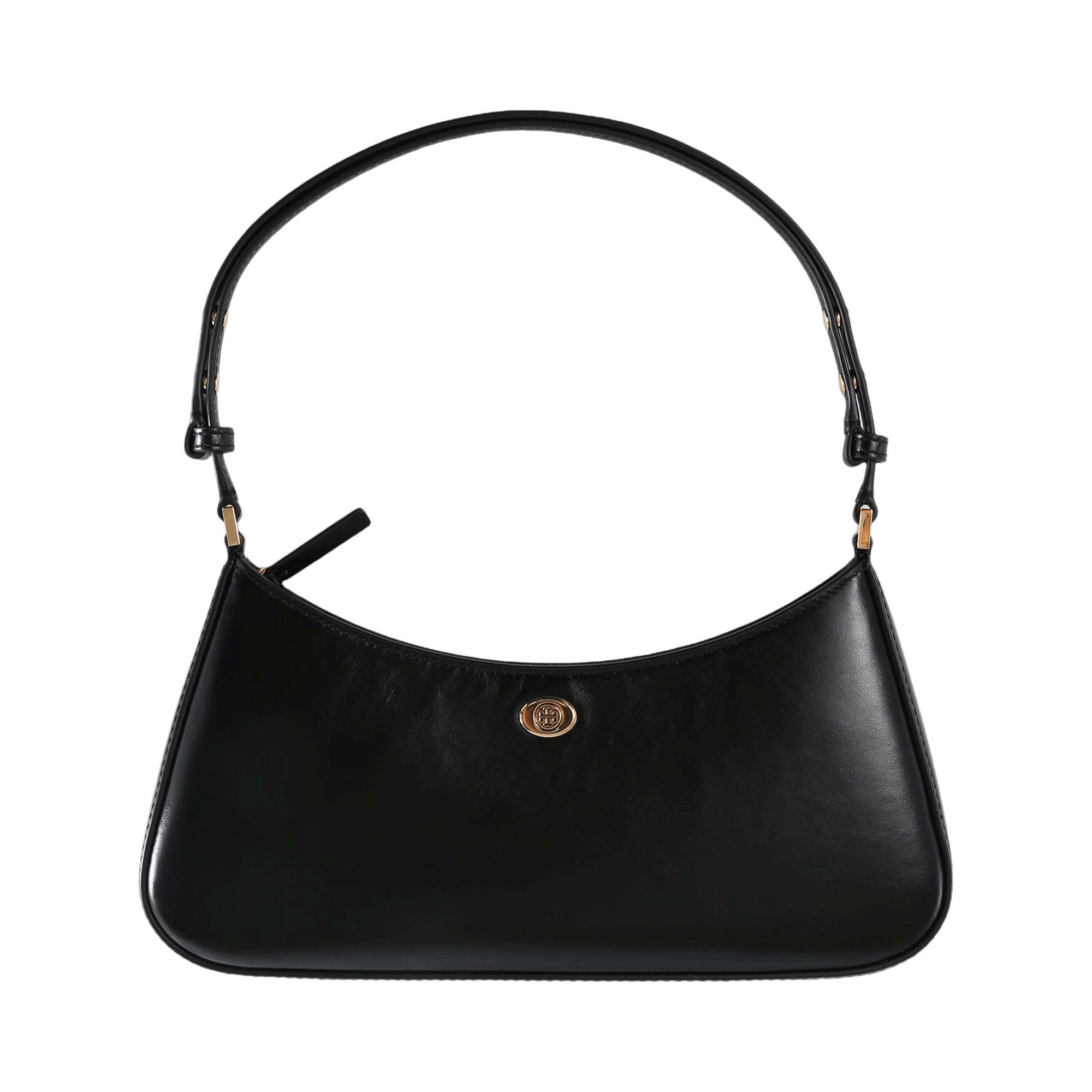
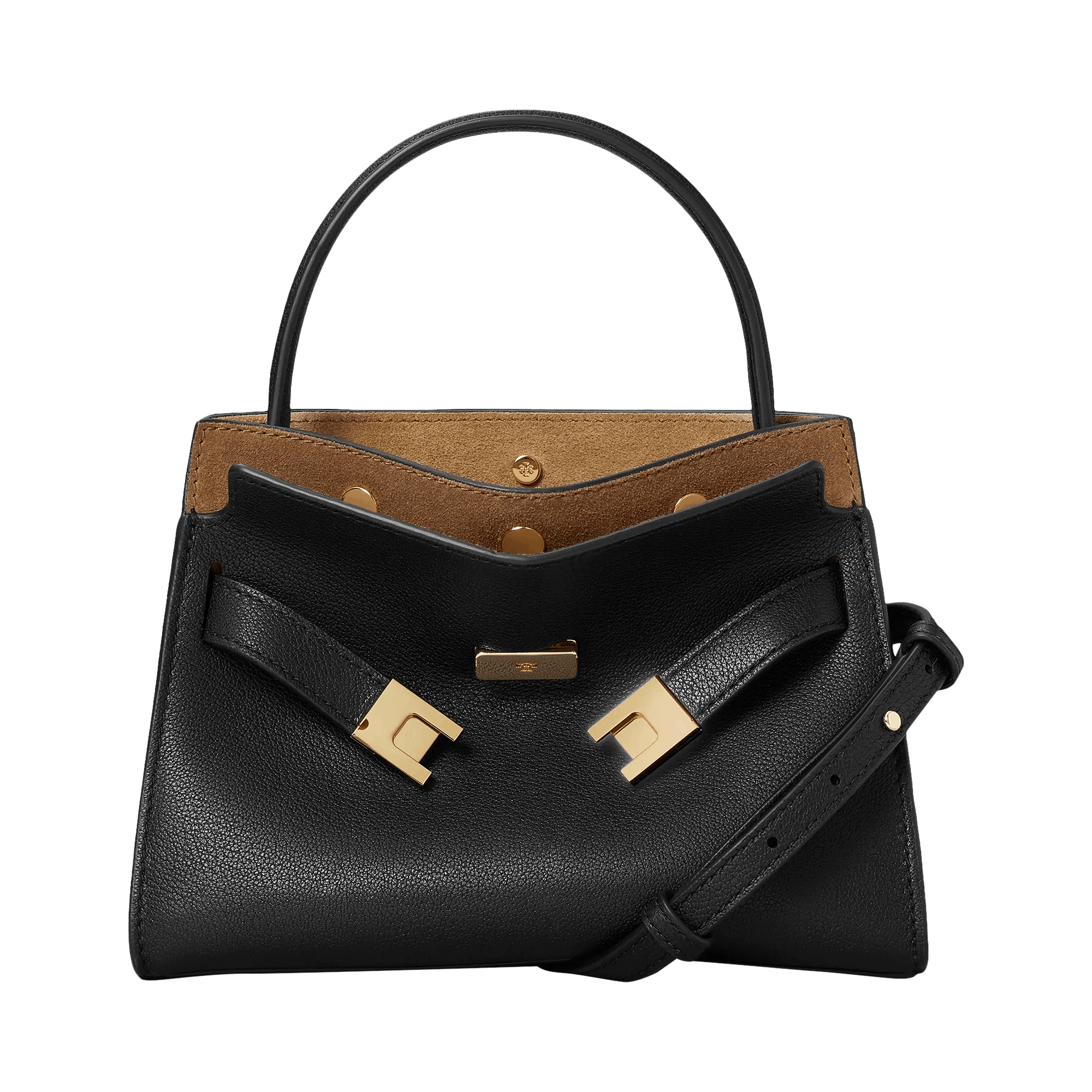
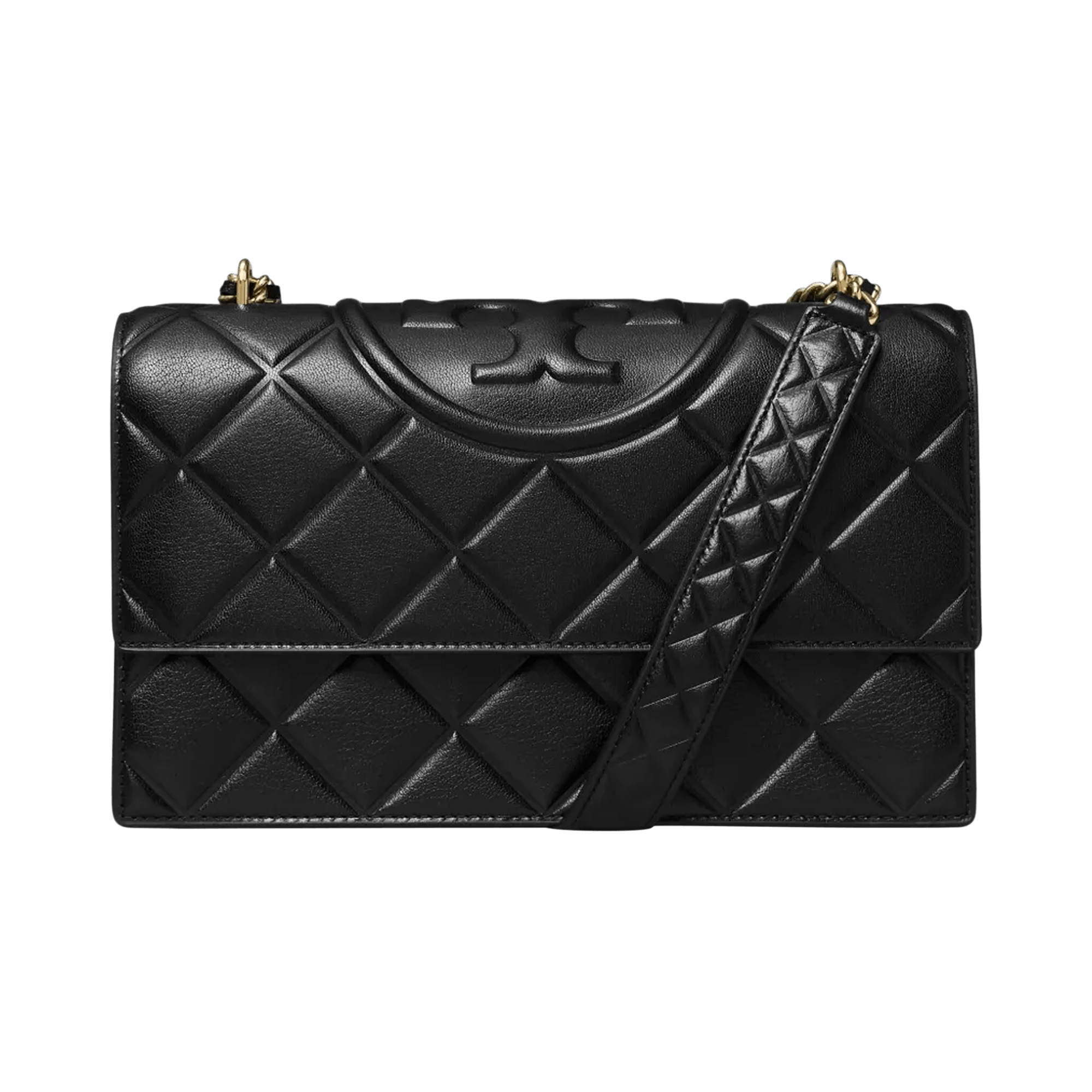
Tory Burch bags offer accessible luxury with steady but modest resale demand. The Fleming and Robinson are the most consistently traded styles, typically reselling in the 30–55% of retail range, with well-kept quilted or saffiano leather pieces performing best.

Tory Burch Bags
About Tory Burch
Tory Burch launched her eponymous label in February 2004, opening a single boutique at 257 Elizabeth Street in New York's Nolita neighborhood under the name TRB by Tory Burch. The debut collection centered on a tunic dress rather than handbags or shoes, and it sold out almost entirely by the end of opening day. Burch, whose background was in marketing and public relations at Ralph Lauren, Harper's Bazaar, Loewe, and Vera Wang rather than formal design training, had identified a gap in the market between mass-market fashion and European luxury houses: well-made, distinctive clothing and accessories priced within reach of a broader customer.
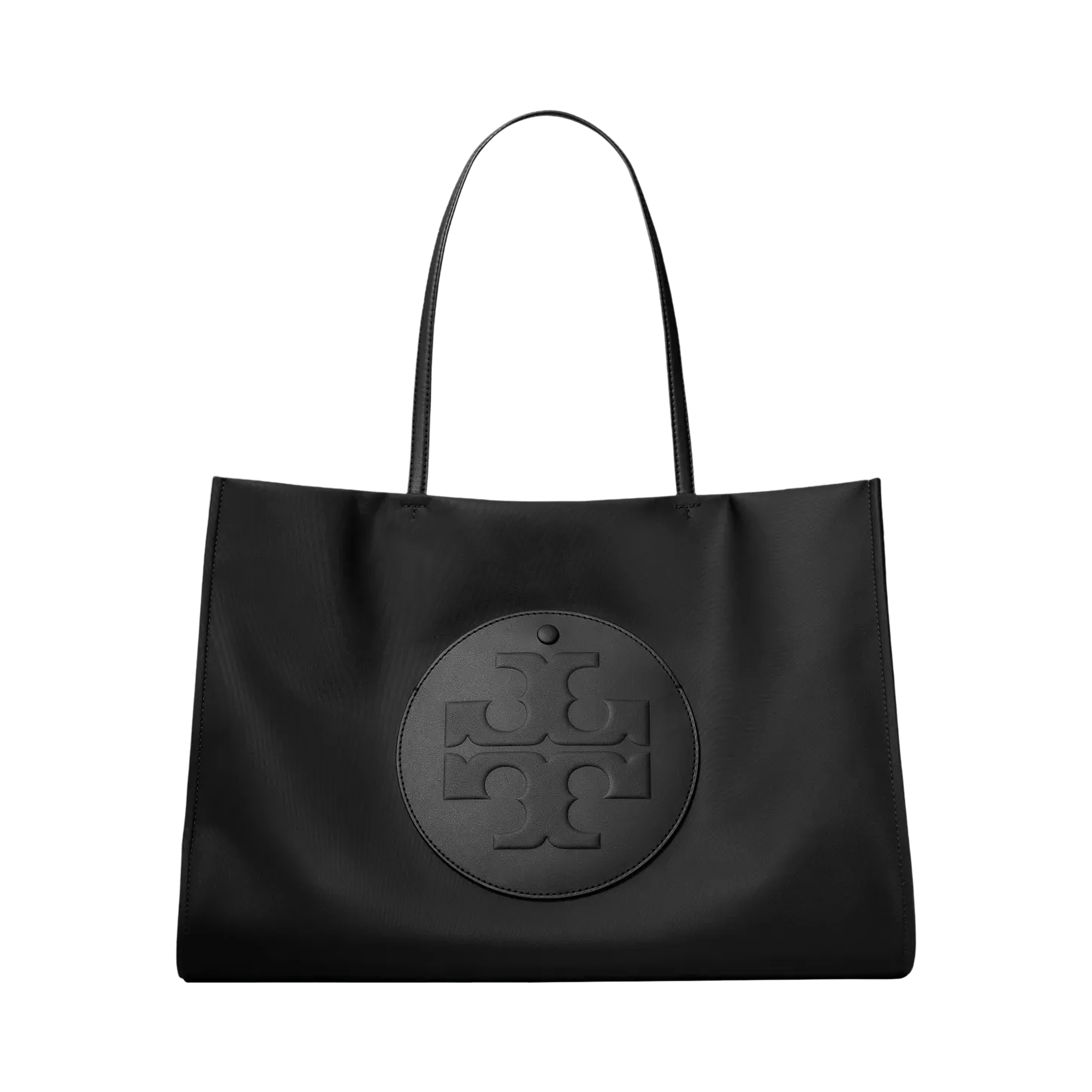
That gap became the brand's defining idea, marketed as "accessible luxury." The product that proved it out was the Reva ballet flat, introduced in 2006 and named for Burch's mother. Its double-T logo medallion, drawn from Moroccan tile patterns, became the brand's signature mark and one of the most recognized logos in American fashion. Handbags followed the same logic: the Robinson tote, part of the original 2007 handbag lineup, and later the Fleming, introduced in 2015, built the brand's reputation in leather goods around clean silhouettes, saffiano and quilted leathers, and the same double-T hardware.
Growth was rapid. Within a decade, Tory Burch had expanded from one Nolita storefront to more than 150 freestanding boutiques and a presence in thousands of department and specialty stores worldwide, with wholesale accounts and international licensing carrying much of that expansion. The company also pushed into adjacent categories, partnering with Fitbit in 2014 on a line of wearable-technology accessories and launching Tory Sport, an activewear label, in 2015. In late 2012, General Atlantic and BDT Capital Partners took minority equity stakes in the company, reportedly buying out the position held by Burch's former husband and early business partner, Christopher Burch, while Tory Burch retained control as founder and majority owner.
The brand's second act began around 2019, when Pierre-Yves Roussel, a former LVMH fashion-group executive, joined as chief executive officer and took over day-to-day operations. That freed Burch to focus on design and creative direction, and the company used the shift to deliberately move away from the logo-driven, wholesale-heavy positioning that had defined its first fifteen years. Collections became more directional and less overtly branded, wholesale distribution was pulled back in favor of the company's own stores and site, and the label began showing on the official New York Fashion Week runway calendar, a repositioning the press and the brand's own team have called the "Toryssance."
Tory Burch remains privately held and one of the larger American fashion companies by revenue, competing in the same accessible-luxury and contemporary tier as brands like Kate Spade and Coach rather than against European heritage houses. Its handbags, led by the Fleming and the Robinson, continue to anchor the business, while the newer, less logo-heavy design direction is gradually reshaping how the brand's older and newer product lines are perceived on both the primary and secondary market.
Tory Burch Resale Trends
As a contemporary or "accessible luxury" label rather than a true luxury house, Tory Burch bags resell at meaningfully lower rates than brands like Chanel, Louis Vuitton, or Hermès. Retention on the secondary market typically falls in a rough 30–55% of original retail range, with the exact figure depending heavily on style, material, and condition. Nylon and canvas pieces, along with heavily discounted or outlet-only styles, tend to sit at the low end of that range, while structured leather bags in classic silhouettes and neutral colorways hold value better.
The Fleming and the Robinson are consistently the most liquid styles in resale: both are long-running, widely recognized designs with steady search volume and consistent sell-through on platforms like The RealReal, Poshmark, and eBay, which makes them easier to price and move than more limited or seasonal pieces. Logo-forward styles built around the double-T medallion have historically been the easiest to identify and authenticate, which has helped their resale liquidity even as the brand's own design direction has shifted.
That shift matters for the secondary market. As Tory Burch has pulled back from overt logo branding in favor of a more directional, editorial aesthetic, newer collections are less immediately recognizable to casual secondhand shoppers, which can slow resale velocity for the newest releases even as it raises the brand's fashion credibility. Older, logo-heavy pieces from the brand's first decade remain the more dependable resale performers for now, while it will take time for newer, less branded designs to build the same track record on the secondary market.