Balenciaga
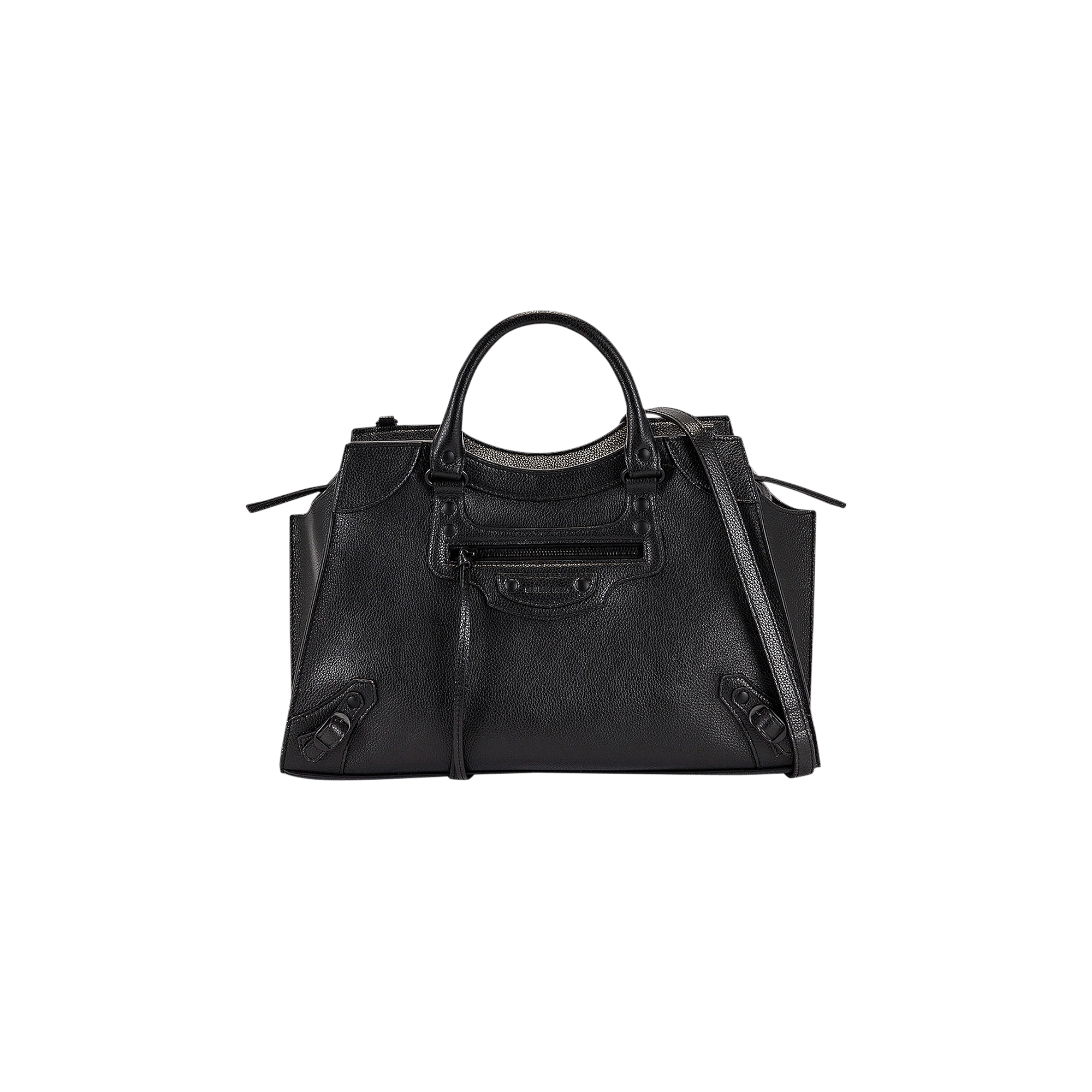
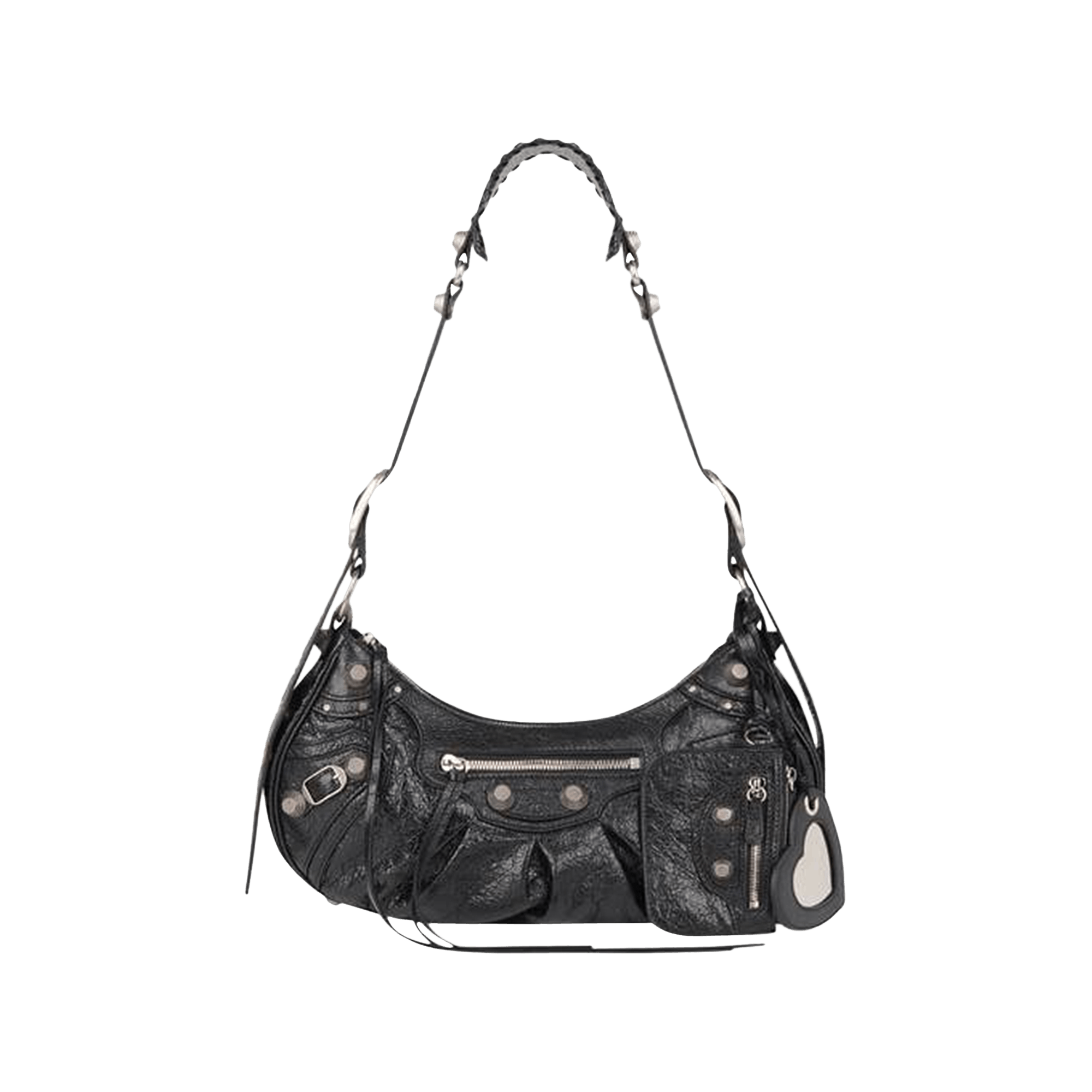
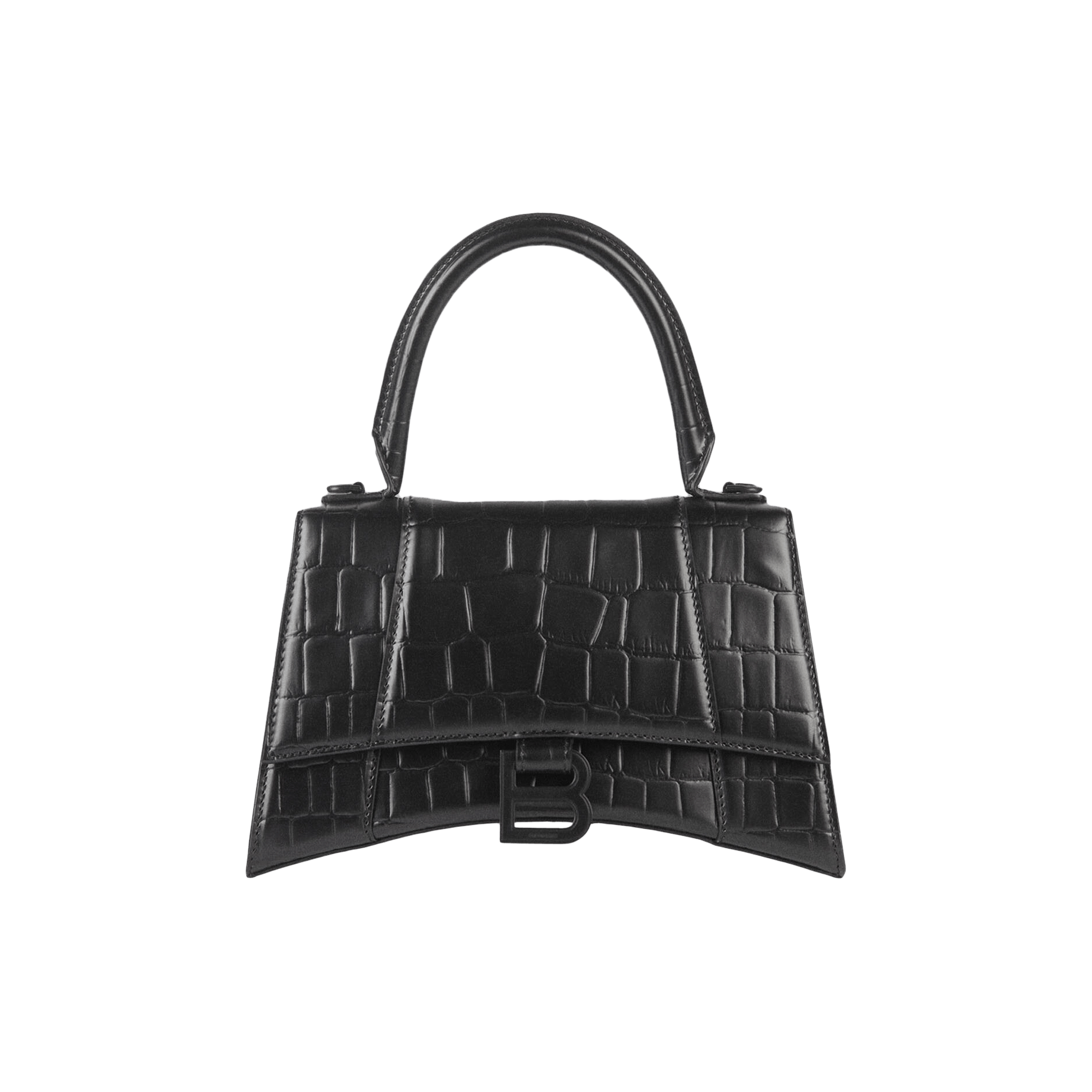
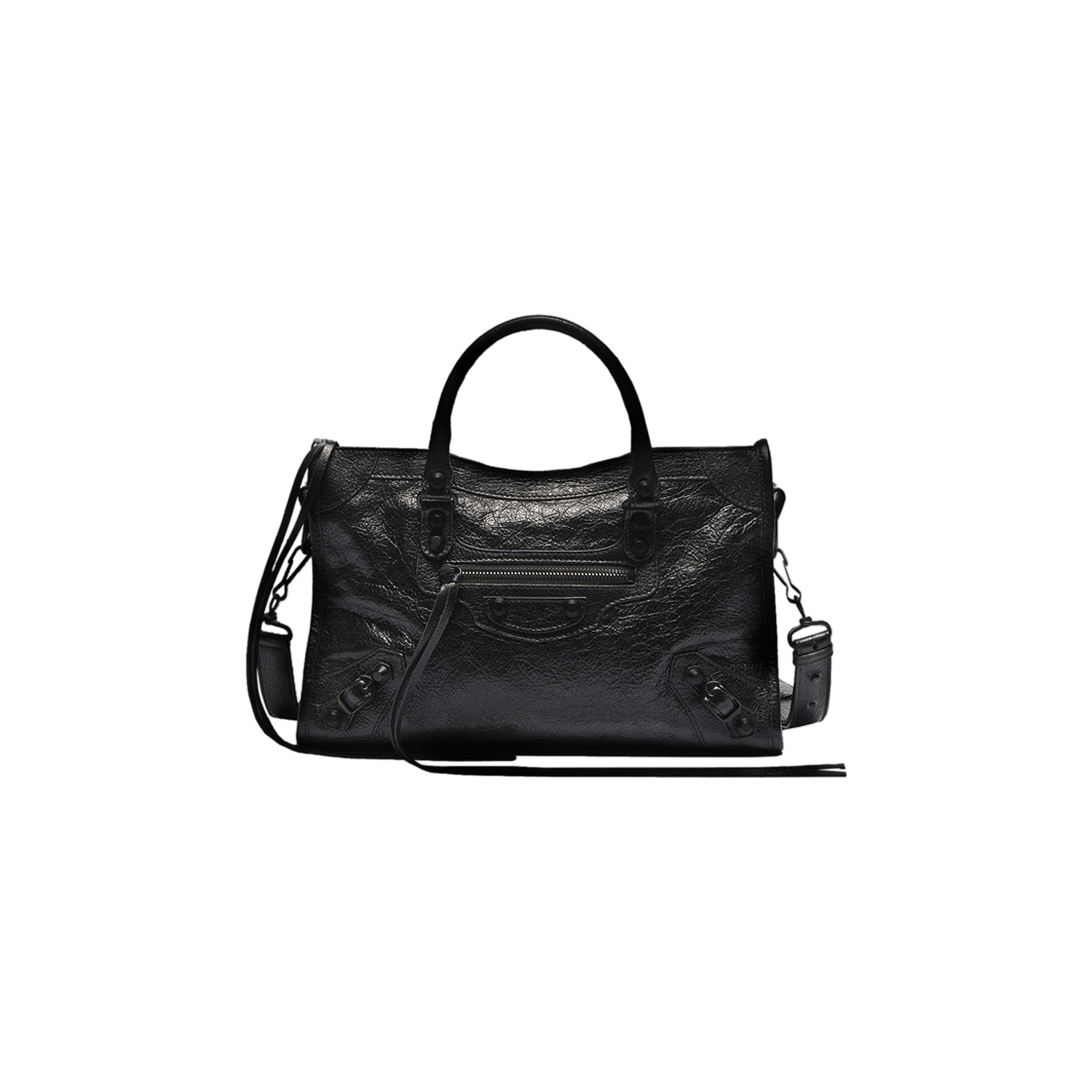
Balenciaga bags are highly liquid in resale. The City bag is a classic that holds value steadily, while newer styles like the Le Cagole and Hourglass generate strong demand from hype-driven buyers, though the 2025 creative-director change has introduced some short-term uncertainty around future hype pieces.

Balenciaga Bags
About Balenciaga
Cristóbal Balenciaga was born in 1895 in Getaria, a small fishing town on Spain's Basque coast. His mother worked as a seamstress, and he grew up around a needle and thread, reportedly making his first garment, a copy of a marquesa's suit, as a teenager. He apprenticed with local tailors before opening his own shop in San Sebastián in 1917, when he was barely 22. The city was a fashionable summer retreat for the Spanish royal family and aristocracy, and Balenciaga's precise, architectural tailoring quickly found a wealthy clientele. He expanded to Madrid and Barcelona through the 1920s, building a small chain of couture houses under his own name.
The Spanish Civil War forced him to close his Spanish operations, and in 1937 he relocated to Paris, opening a house at 10 Avenue George V. It was unusual for a Spanish designer to work under his own name in Paris rather than adopt a French pseudonym, but Balenciaga's technical skill made the point moot. He was one of the few couturiers of his era capable of executing every stage of garment construction himself, cutting, draping, and sewing rather than only sketching, and this hands-on mastery let him experiment with volume and structure in ways his peers could not. Christian Dior called him "the master of us all," and Coco Chanel praised him as the only couturier in the truest sense of the word.
Through the 1950s and 1960s, Balenciaga introduced a string of silhouettes that reshaped how women's clothing could be constructed: the semi-fitted suit, the tunic dress, the balloon jacket, the cocoon coat, and, in 1967, the envelope dress, a design so architecturally reduced it anticipated minimalism by decades. He kept his client list quiet and refused to court press attention, which only deepened his mystique within the industry.
In 1968, disillusioned with the rise of ready-to-wear and the social upheaval reshaping Paris, Balenciaga closed his house entirely without warning his clients. He died in Spain in 1972. The house sat dormant until 1986, when Jacques Bogart S.A. acquired the name and license, restarting ready-to-wear and fragrance lines under a series of creative directors, including Michel Goma and Josephus Thimister, neither of whom fully restored the brand's relevance.
That changed in 1997 with the appointment of Nicolas Ghesquière, then only 25, who had already worked anonymously on the label's licensed collections. Ghesquière spent 15 years rebuilding Balenciaga into one of the most influential houses of the 2000s, and his 2001 Lariat (Motorcycle) bag helped ignite the "it bag" era of luxury handbags. PPR, the conglomerate now known as Kering, acquired a majority stake in Balenciaga in 2001 and full ownership by 2003.
After Ghesquière's departure in 2012, Alexander Wang held the role briefly before Demna Gvasalia was named creative director in 2015. Gvasalia, previously known for the deconstructed streetwear label Vetements, fused sportswear silhouettes, ironic pop-culture references, and traditional couture technique, a combination that made Balenciaga Kering's fastest-growing brand by 2018 and produced category-defining pieces like the Triple S sneaker and the Hourglass bag. He also revived Balenciaga's haute couture division in 2021, the first couture collection under the house name in more than 50 years, though a controversial 2022 ad campaign drew significant public backlash. In March 2025, Demna moved to Gucci as artistic director, part of a broader reshuffling across Kering's fashion houses, and Pierpaolo Piccioli, formerly of Valentino, was named Balenciaga's new creative director, presenting his first collection in Paris that October.
Balenciaga remains part of Kering today, based in Paris, and continues to sit at the intersection of avant-garde ready-to-wear and some of the resale market's most consistently traded handbags.
Balenciaga Resale Trends
Balenciaga occupies an unusual position in resale: it is simultaneously a heritage house with decades-old design codes and a hype-driven label whose value can swing with a single ad campaign or celebrity moment. The City bag, largely unchanged since Nicolas Ghesquière introduced it in 2001, is the steadiest performer, typically retaining somewhere in the 40-60% range of retail depending on leather, hardware condition, and colorway, and its long production run means supply is plentiful and pricing is predictable.
Demna-era pieces behave differently. The Le Cagole and Hourglass, both launched to strong editorial and celebrity attention, saw resale prices spike well above retail in their first year or two, particularly in exclusive colorways and collaboration releases, before settling into a more moderate premium as availability increased. Because so much of Balenciaga's recent demand has been tied directly to Demna's cultural cachet and provocations, both positive and negative, the brand has historically shown more resale volatility than comparably priced houses like Gucci or Bottega Veneta. The 2022 campaign controversy visibly cooled secondary-market enthusiasm for a period, and the 2025 transition to Pierpaolo Piccioli has left buyers watching closely to see which archive shapes get revived and which current styles get discontinued, both of which tend to move resale pricing in the short term.
Overall, expect classic silhouettes like the City to hold value steadily as a wardrobe staple, and newer or limited pieces to trade at a premium mainly while they are current and culturally visible, cooling once the next hype cycle arrives.