Bottega Veneta
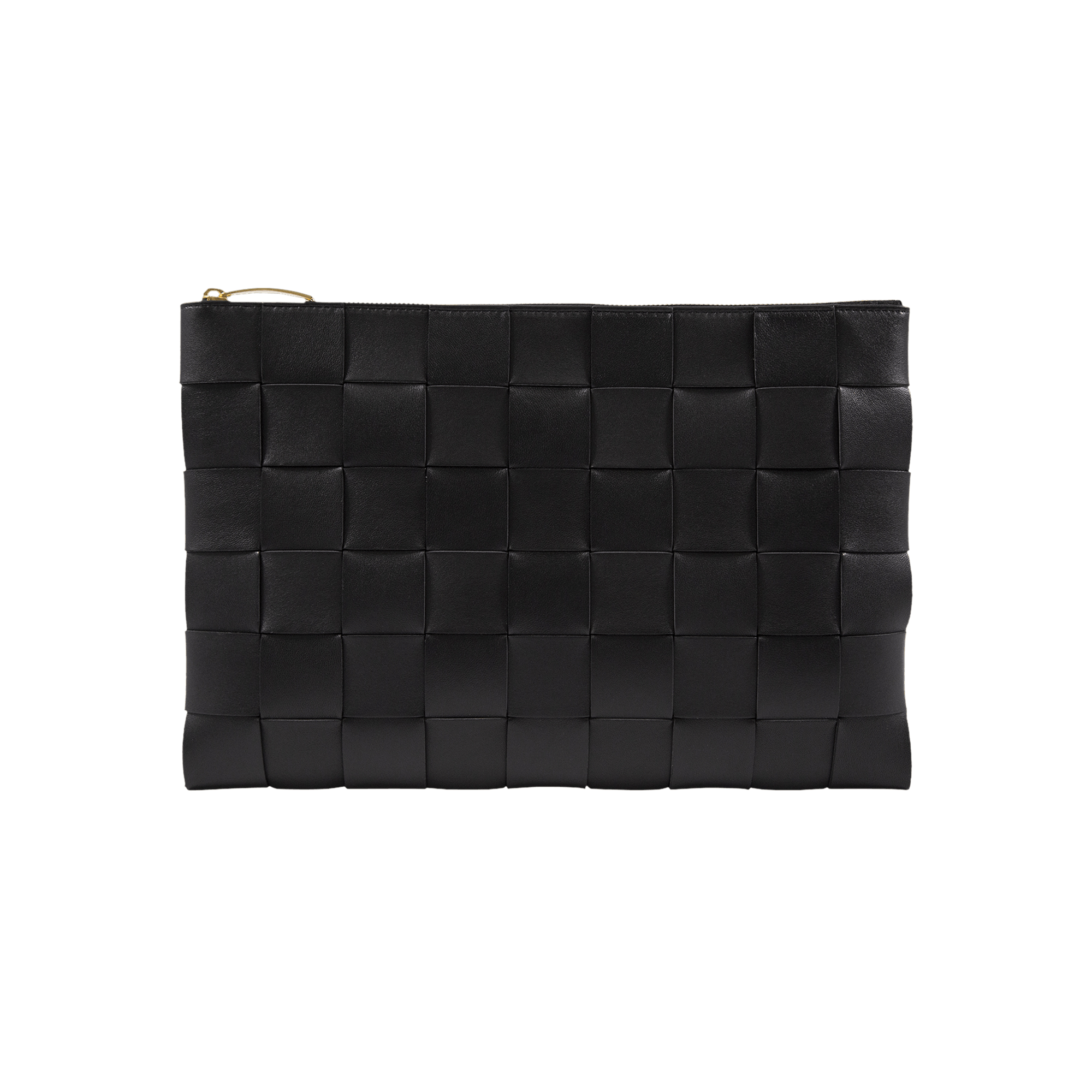
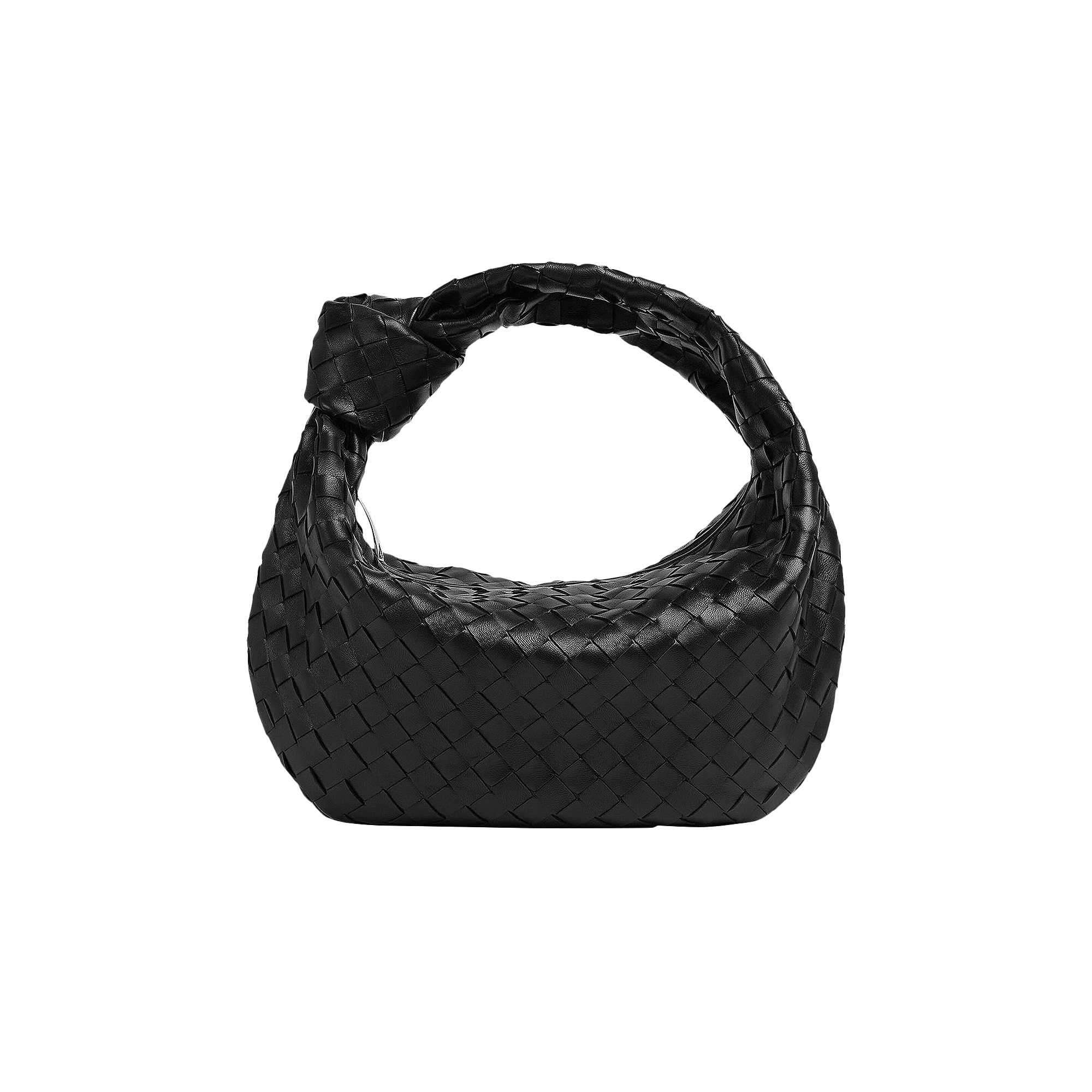
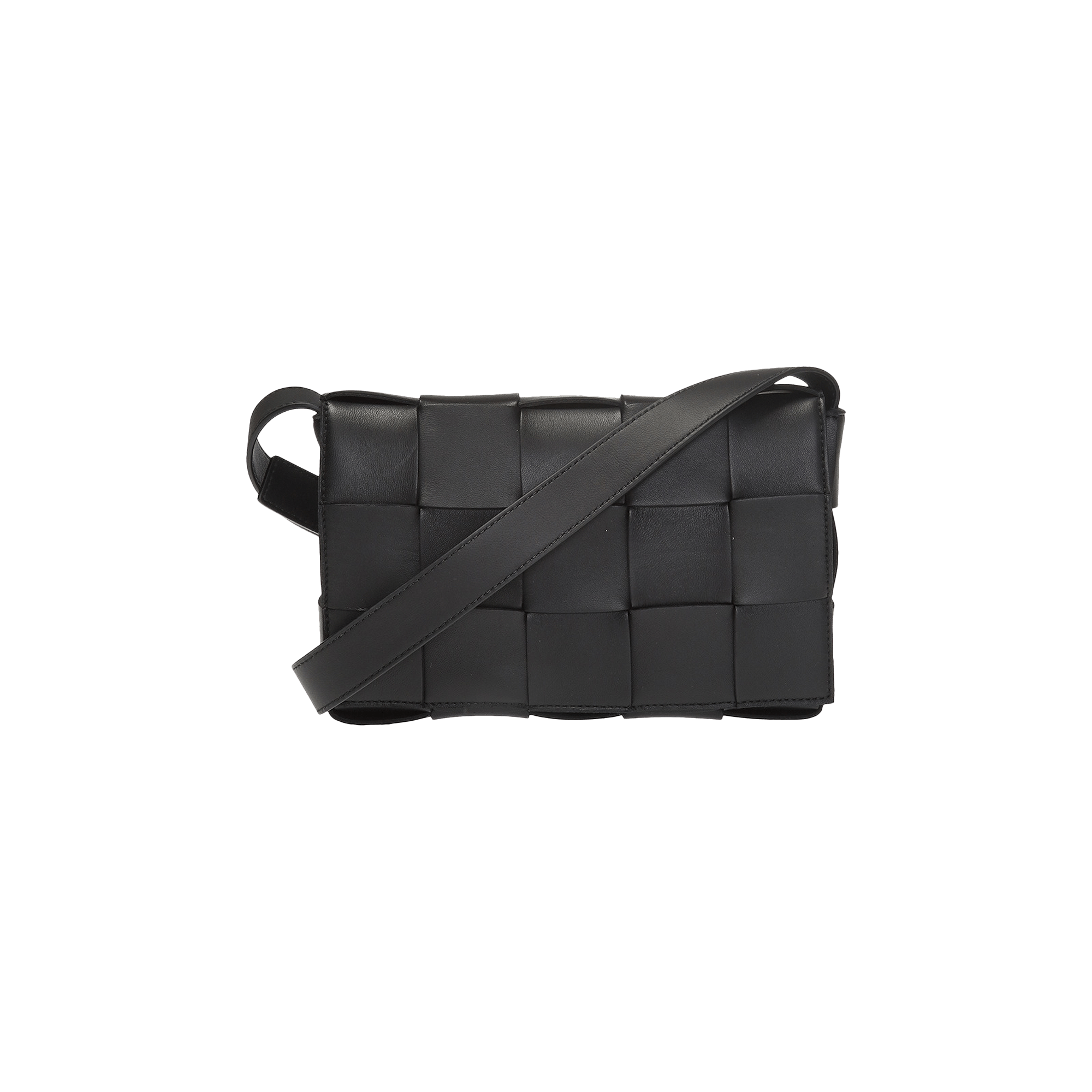
Bottega Veneta has seen strong, relatively stable resale demand through several creative-director eras. The Cassette, Jodie, and Pouch typically retain 60-90% of retail depending on condition, era, and colorway, with Daniel Lee-era pieces (2018-2021) commanding a clear premium over later production.

Bottega Veneta Bags
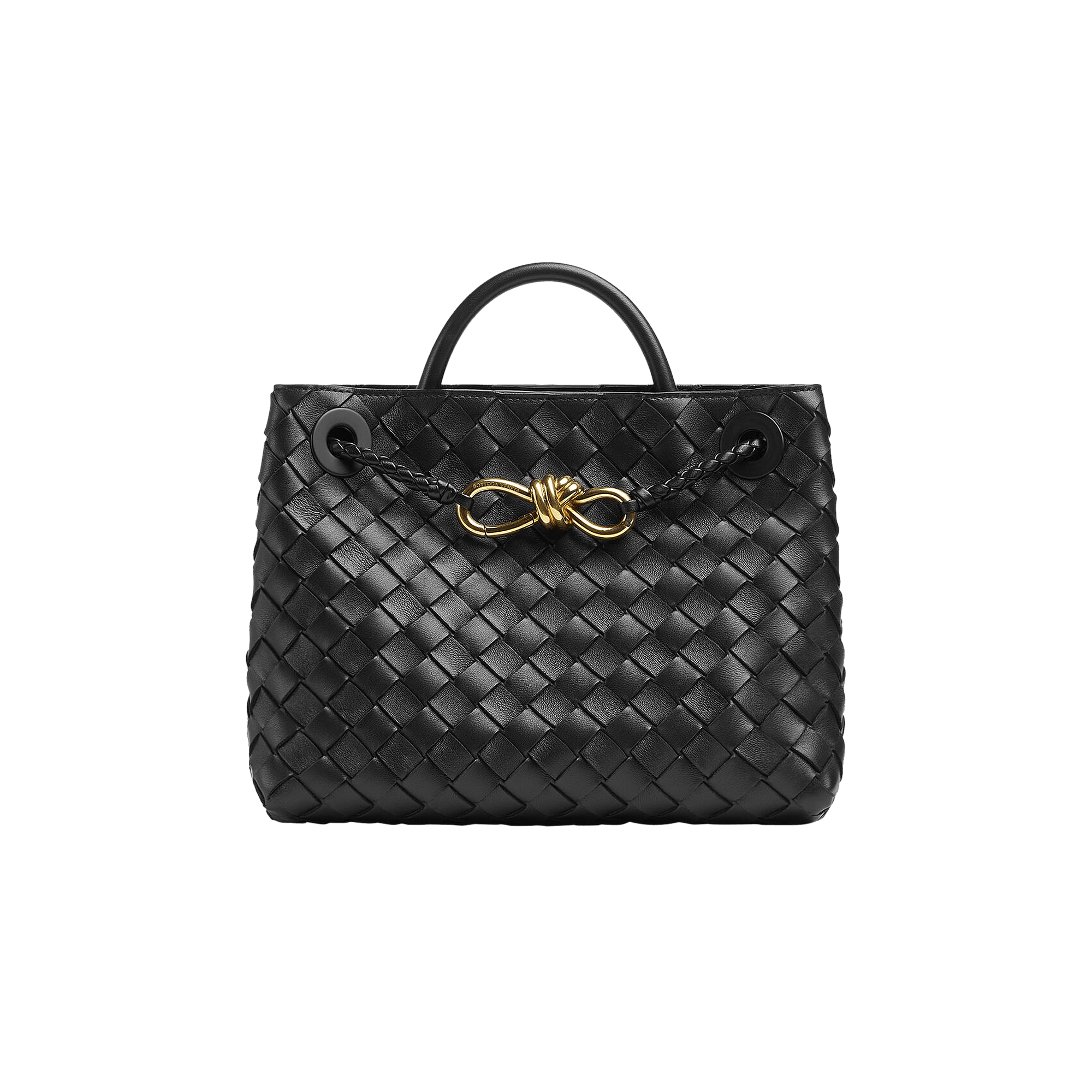
About Bottega Veneta
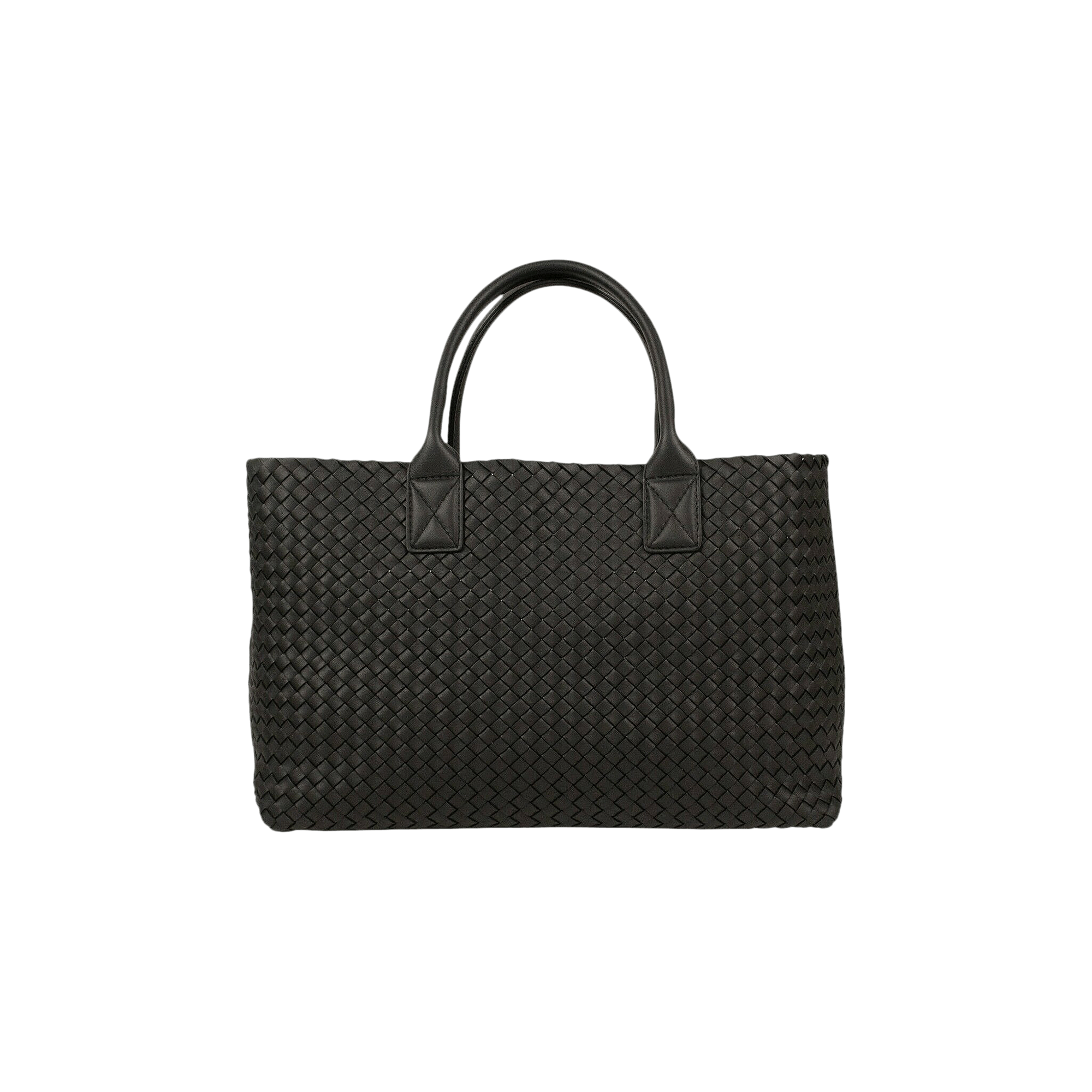
Bottega Veneta was founded in 1966 in Vicenza, in Italy's Veneto region, by Michele Taddei and Renzo Zengiaro. The name translates simply to 'Venetian workshop,' a deliberately understated choice for a house that built its identity around craftsmanship rather than branding. Its earliest and most enduring innovation was intrecciato, a technique of weaving thin strips of leather into a basketlike lattice, developed as a way to disguise the imperfections in the leather available at the time while also strengthening it. The technique became, and remains, the closest thing Bottega Veneta has to a logo.
The house built its reputation in the 1970s on a philosophy of anonymous luxury, captured in the slogan 'When your own initials are enough,' a direct rebuke of the monogram-driven marketing dominating the rest of the industry at the time. In the late 1970s, control passed from Taddei to his former wife, Laura Moltedo, who ran the company through the 1980s and 1990s as it developed a loyal, if quieter, following among clients who valued craftsmanship over visible branding.
Gucci Group (later Kering) acquired Bottega Veneta in 2001 and appointed Tomas Maier as creative director that same year. Maier spent 17 years methodically rebuilding the house's identity around quiet luxury and exceptional leather goods, reintroducing intrecciato as the brand's signature and steadily growing Bottega Veneta into one of the group's most consistently profitable labels, all while deliberately avoiding logo-driven marketing.
Daniel Lee's appointment as creative director in 2018 marked a sharp turn. Lee reworked intrecciato into a chunkier, more graphic weave, introduced the Pouch and reimagined the Cassette and other bags with an It-bag sensibility the house had never courted before, and, notably, removed Bottega Veneta from most social media in 2021 as a statement on the industry's obsession with visibility. His three-year run produced some of the most talked-about handbags in fashion and turned Bottega Veneta into a genuine resale phenomenon for the first time in its history.
Lee departed in 2021 and was succeeded by Matthieu Blazy, a Belgian-Italian designer who had worked under both Maier and Raf Simons. Blazy's tenure, through 2024, was praised for balancing craftsmanship with wearability and further elevated the brand's critical standing before he left to become creative director of Chanel. Louise Trotter, previously at Carven and Lacoste, was named Bottega Veneta's creative director in 2024, continuing the house's pattern of frequent, closely watched creative transitions.
Bottega Veneta remains part of Kering today and is regarded as one of the group's strongest performers, prized for combining old-world Italian leather craft with a design language that has proven able to reinvent itself every few years without losing its essential identity.
Bottega Veneta Resale Trends
Bottega Veneta is one of the stronger performers in handbag resale among contemporary (non-heritage) luxury houses, largely because its intrecciato leatherwork ages well and its bags are genuinely difficult to produce convincingly as fakes, which keeps buyer confidence high. Retention varies by style: the Jodie has been reported holding anywhere from roughly 78% to as much as 90% of retail in excellent condition, the chain-strap Cassette has held around 87% of retail, and the Pouch, a more polarizing silhouette, typically resells closer to 60-70% of its original price.
Era matters as much as model. Daniel Lee's 2018-2021 pieces, including the original Cassette and Pouch, command a clear premium over the same silhouettes produced under later creative directors, reflecting both their status as the moment Bottega Veneta became a genuine hype brand and their comparatively limited production runs. Colorway also plays an outsized role: the brand's saturated, seasonal shades (its sherbet and jewel-tone releases in particular) tend to be the most actively traded and can outperform neutral tones in resale, a reversal of the usual luxury-resale pattern where black and neutral colors are safest.
Because Bottega Veneta has changed creative directors twice in recent years, from Lee to Blazy to Trotter, resale buyers pay close attention to which era a bag comes from, and pieces closely associated with the design language of a departed director sometimes see short-term price bumps as production winds down.