The Jackie 1961 traces back to a hobo-style shoulder bag Gucci first produced in 1961, relaunched by Tom Ford in 1999, updated by Frida Giannini in 2009, and reissued under its current name by Alessandro Michele for Fall/Winter 2020. Its smooth leather body closes with a distinctive piston-lock mechanism at the shoulder strap, a detail that has appeared on the bag since its earliest years. It earned its name informally after Jacqueline Kennedy Onassis was frequently photographed carrying it in the 1960s.
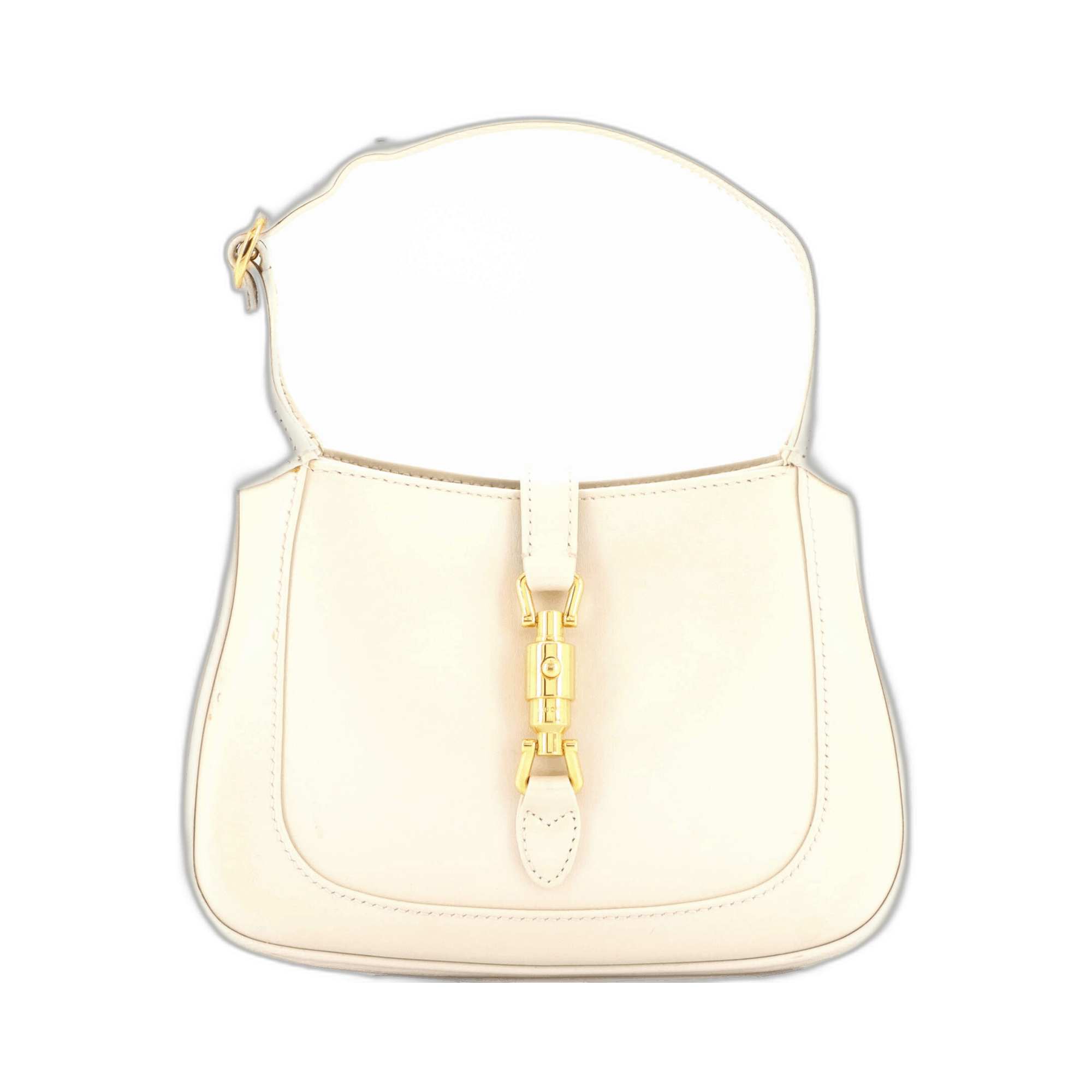
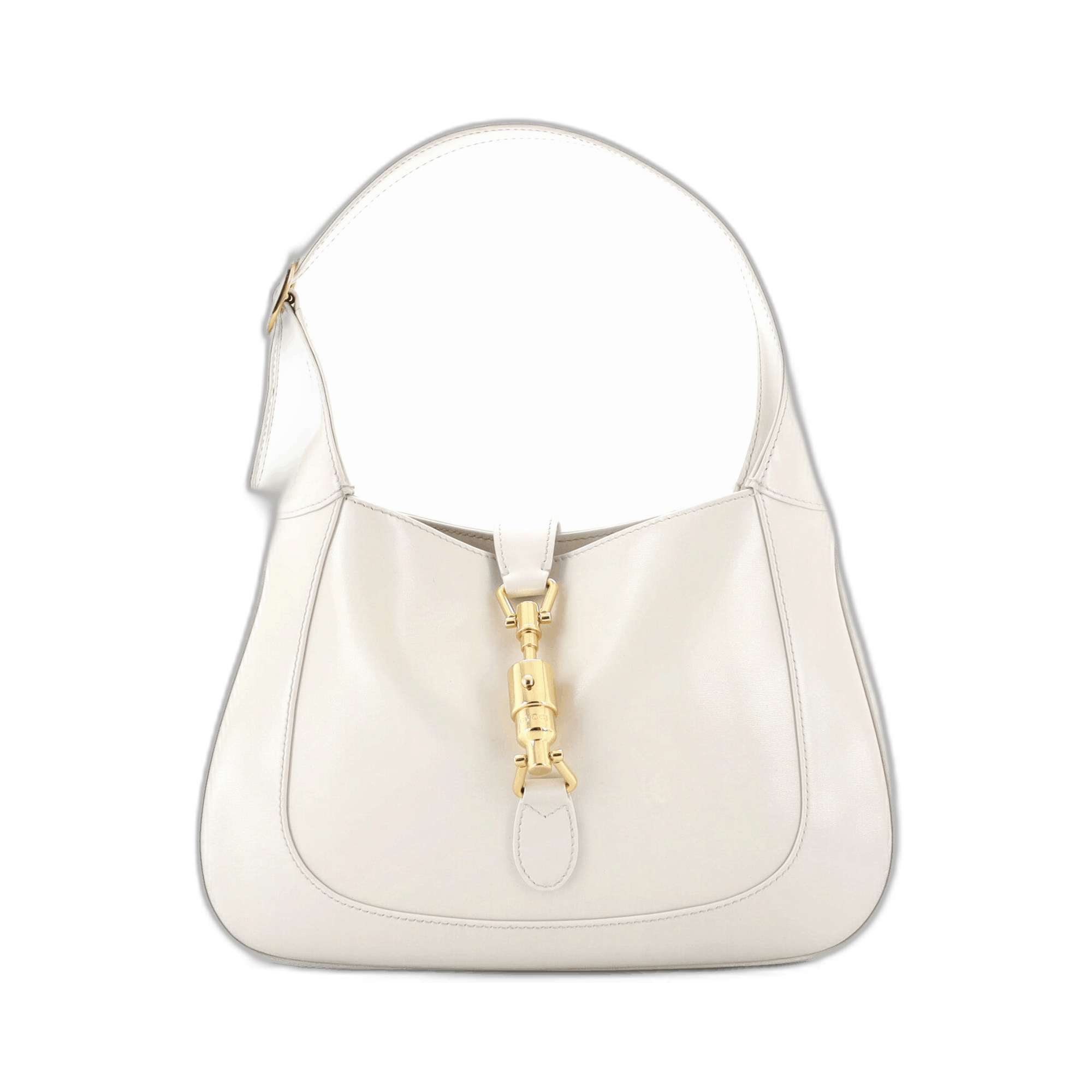
The smallest current hobo size, sized for evening or light everyday carry.
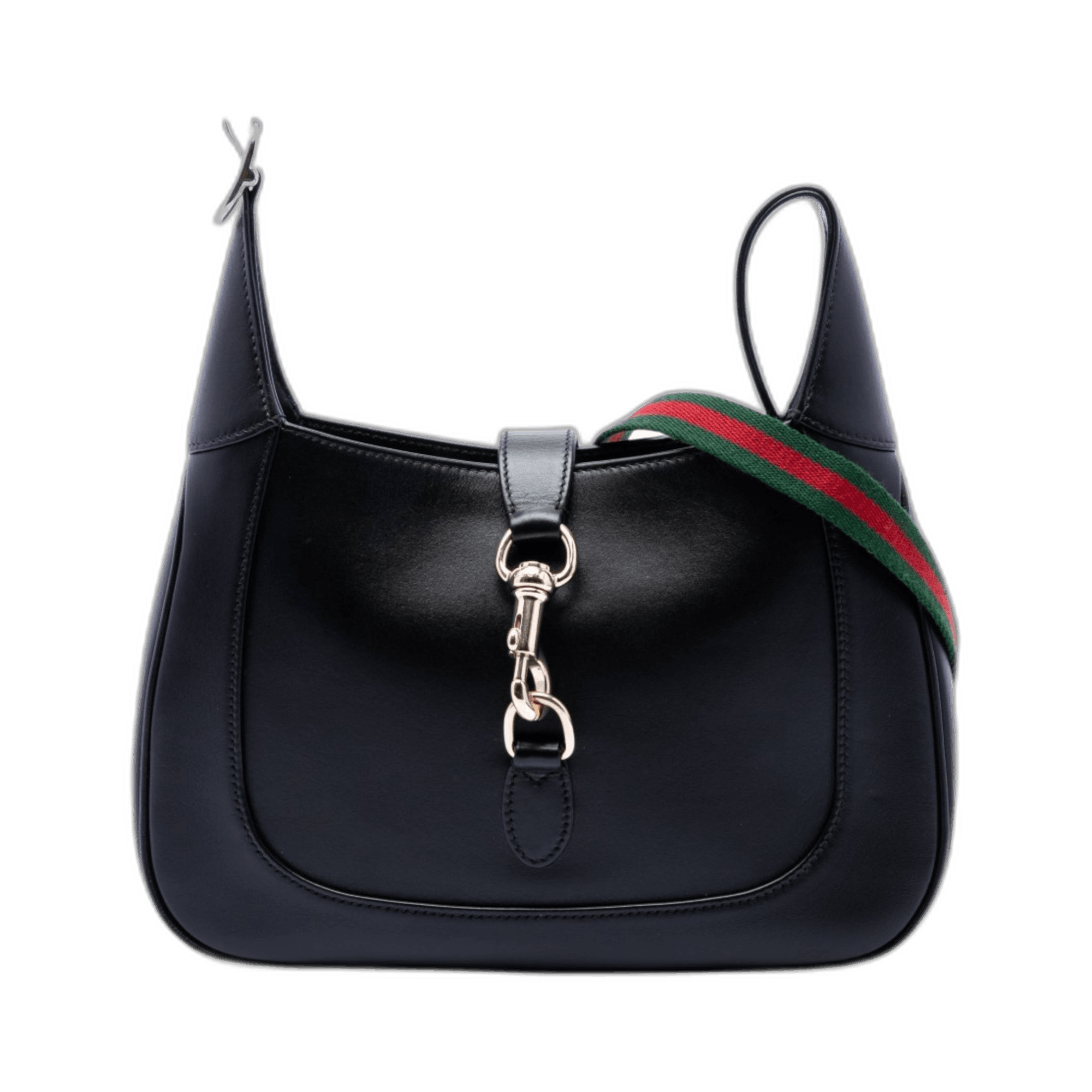
A versatile daily-carry size and one of the most frequently listed sizes on resale platforms.
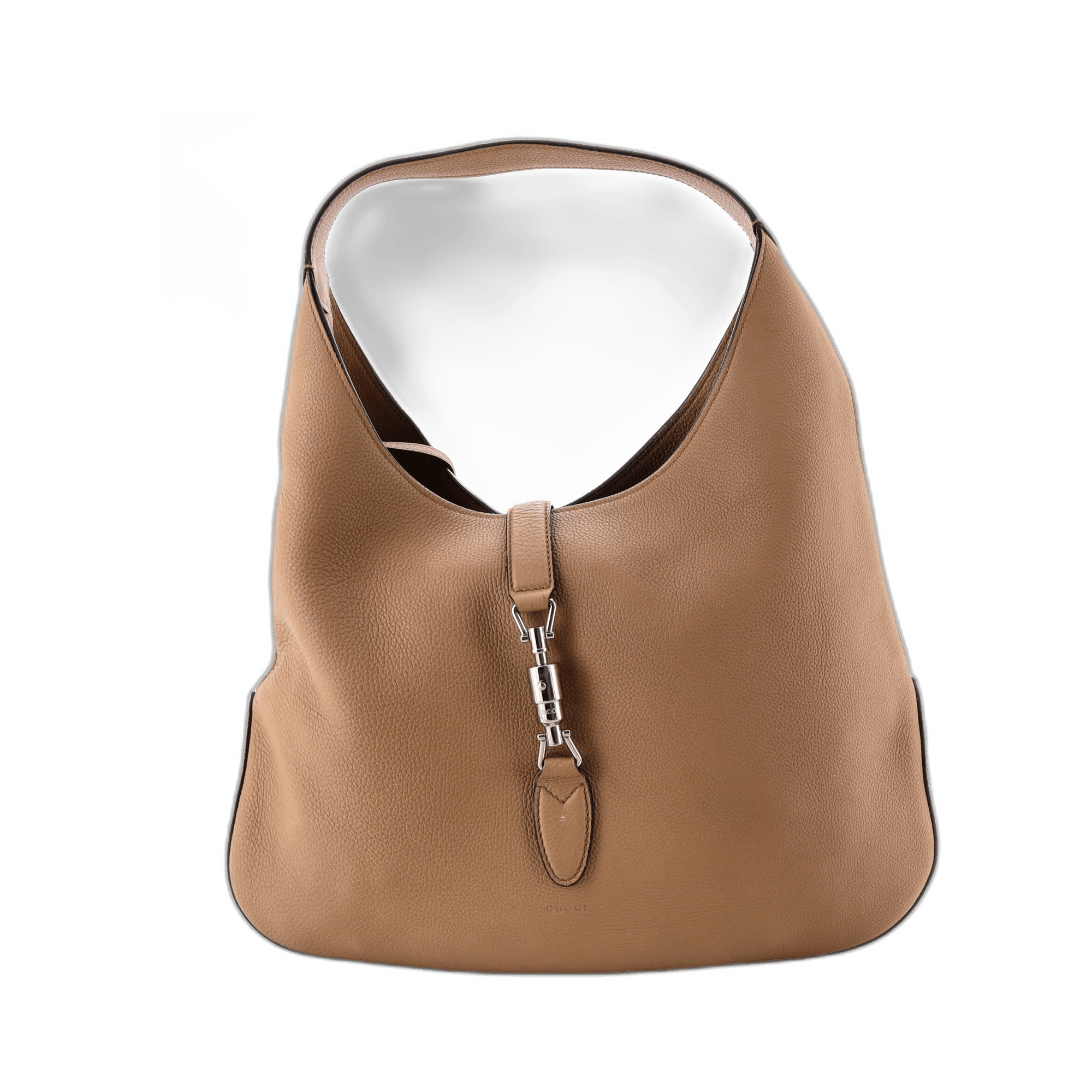
The largest current hobo size, offering the most everyday capacity in the line.
The standard smooth calfskin construction, the most widely produced version.
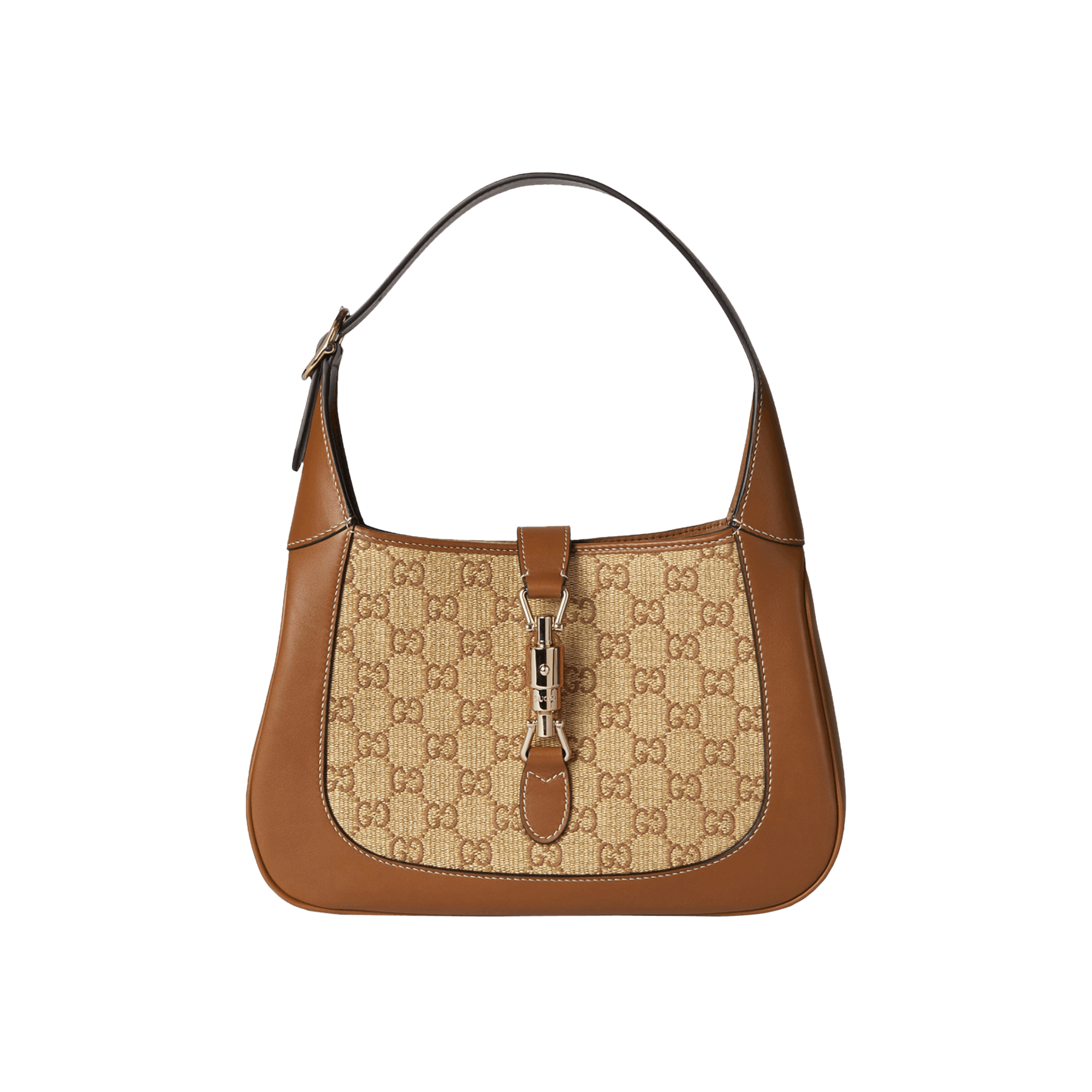
GG Supreme monogram canvas paired with leather trim, offered as a lower-price alternative to full leather.
A relaxed, unstructured padded-leather version sold alongside the structured original.
The Jackie 1961 currently leads value retention among Gucci's core handbag lines, commonly reselling for 55-80% of retail. On a Medium retailing around $4,000, that puts resale in the $2,000-$3,200 range, while the Mini clears $1,200-$1,900 and the Small $1,600-$2,500. That strength comes from a rare combination for Gucci: a bag with sixty-plus years of genuine, documented history rather than a marketing-invented one, that also happens to fit current demand for restrained, logo-light design. For a buyer weighing retail against resale, the Jackie 1961 is one of the few current Gucci bags where paying full retail is defensible, since it holds more of that value back out than almost anything else in the lineup.
Gucci first produced the hobo-style shoulder bag that would become the Jackie in 1961, evolving it from an earlier design called the Constance introduced around 1950. Its defining feature from the start was the piston-lock closure, a cylindrical, spring-loaded metal clasp mounted where the strap met the body of the bag. The style caught the attention of Jacqueline Kennedy Onassis, who reportedly purchased the bag in several colors in the early 1960s and was photographed carrying it so frequently throughout the decade that the press, and eventually Gucci itself, began calling it "the Jackie."
Tom Ford revived the silhouette in 1999 during his tenure as creative director, sharpening its lines and updating the piston lock and materials to suit the era's more overtly sexy, minimalist aesthetic. Frida Giannini reworked it again in 2009, softening the structure into a larger, slouchier shape and introducing pompoms, tassels, and new material experiments including python and ostrich skin. Alessandro Michele returned to the bag's roots for Fall/Winter 2020, reissuing it under the name Jackie 1961 and deliberately restoring the closer, more restrained proportions and piston-lock detailing of the 1961 original.
Jacqueline Kennedy Onassis's constant use of the bag through the 1960s made it one of the earliest examples of a celebrity effectively renaming a designer product, and "the Jackie" has stuck as its informal name for six decades even as Gucci's official naming has changed around it. Its association with Kennedy's understated, tailored personal style set it apart from more overtly logo-driven bags for most of its history.
The 2020 Michele-era reissue arrived at a moment when quiet, heritage-coded design was gaining ground over the maximalist prints that had defined Gucci's prior five years, and reviewers and fashion press widely credited the restrained new Jackie 1961 with anticipating that shift. Its combination of a genuinely six-decade backstory and a stripped-back current design has made it one of the most written-about "quiet luxury" bags in recent seasons.