Gucci
Gucci bags hold strong resale value overall, with heritage icons like the Jackie 1961, Horsebit 1955, and Bamboo 1947 leading value retention thanks to the quiet-luxury shift, while louder Alessandro Michele-era prints and logo pieces depreciate faster. Sabato De Sarno's 2023-2025 tenure and Demna's 2025 arrival as artistic director have kept the brand's resale identity in flux.



About Gucci
Gucci was founded by Guccio Gucci in Florence in 1921. Guccio had spent part of his youth working as a porter and lift operator at London's Savoy Hotel, where he observed the fine leather luggage carried by wealthy guests. He returned to Florence and opened a shop selling leather travel goods, drawing on the city's centuries-old tradition of fine leatherworking and equestrian craft, an influence still visible in the brand's recurring saddle and stirrup motifs today.
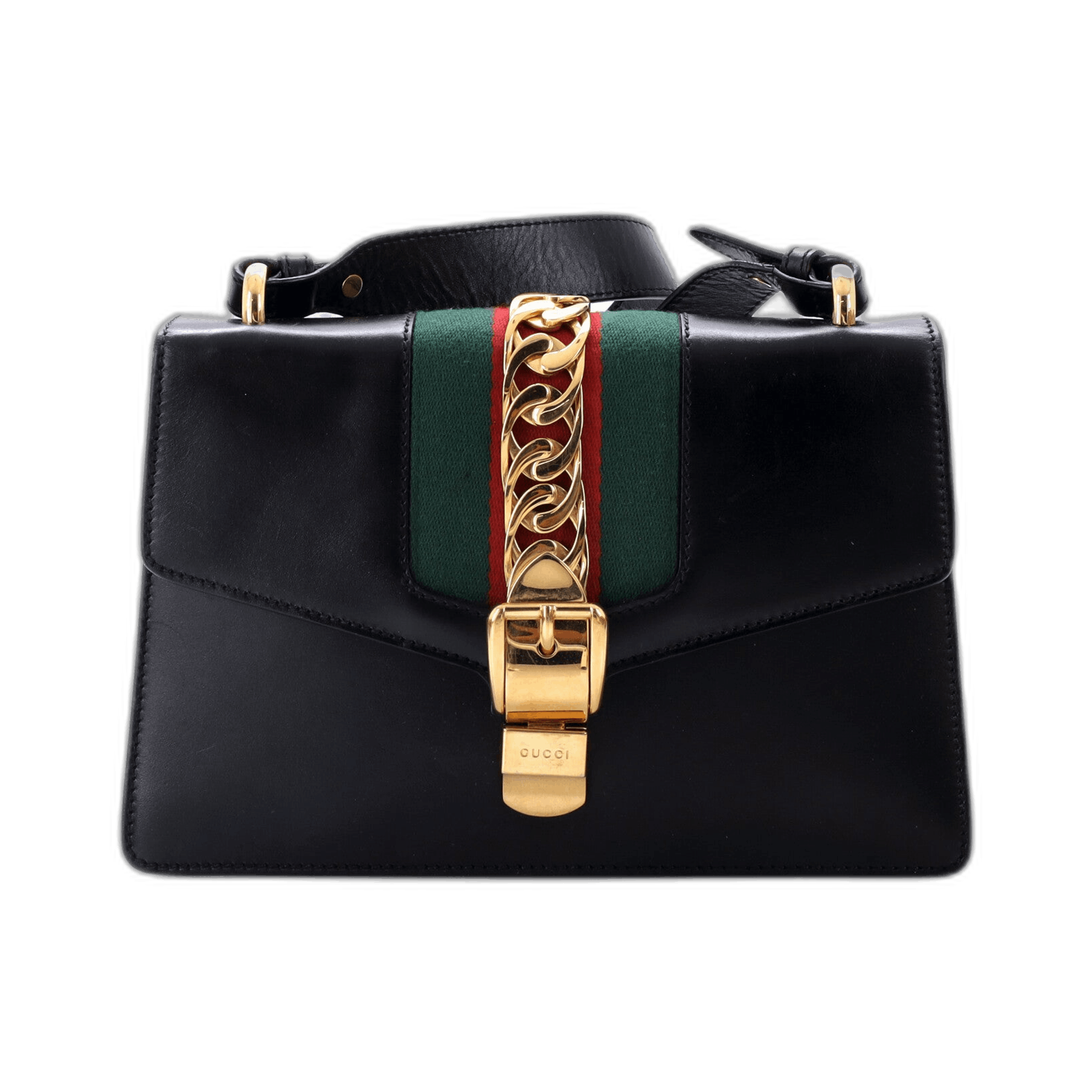
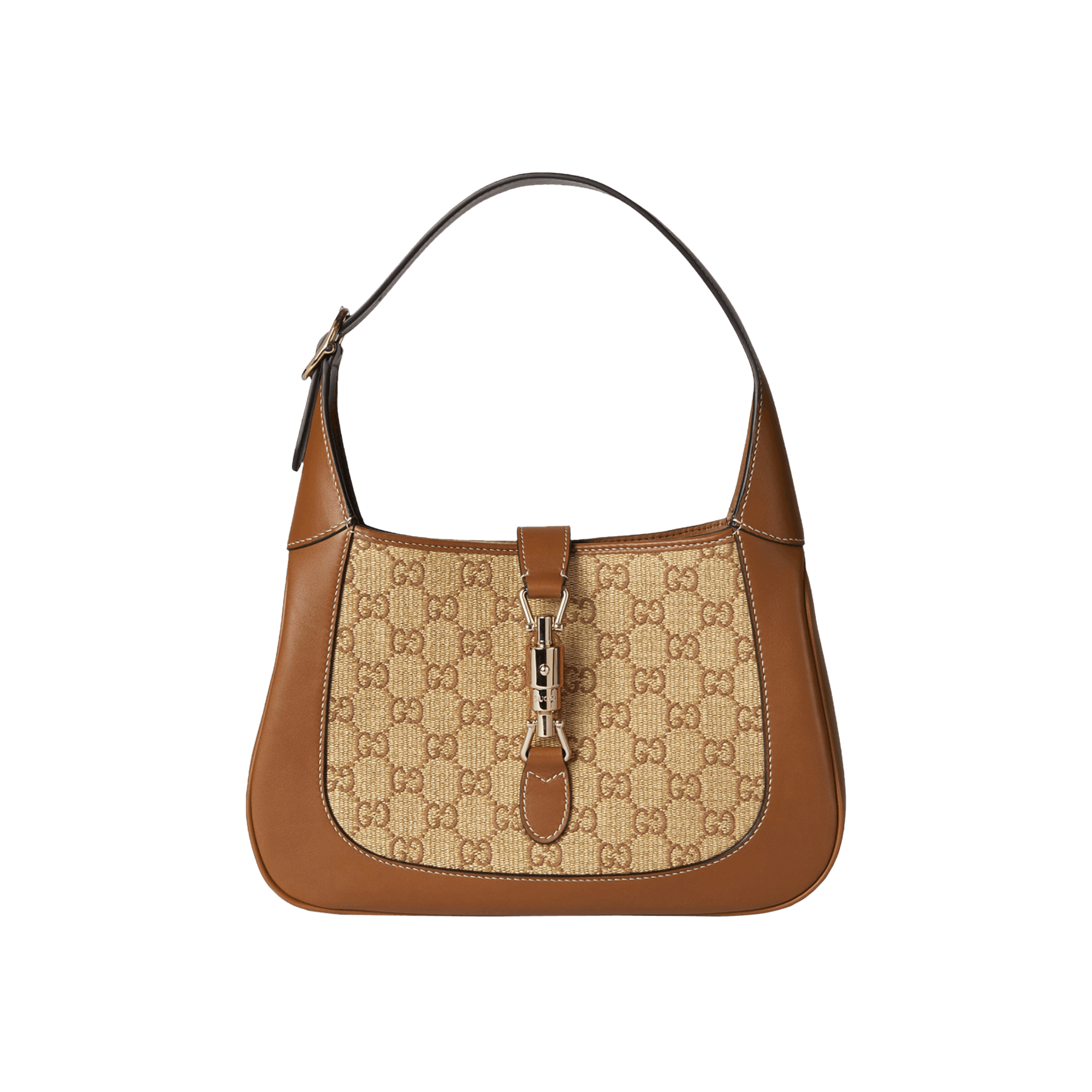
The business grew steadily under Guccio and, after his death in 1953, passed to his sons, who expanded it aggressively through the mid-twentieth century. The house introduced several of its most enduring signatures during this period: the bamboo-handled handbag in 1947, built around a technique of shaping bamboo over an open flame after wartime leather shortages restricted materials, the green-red-green striped webbing derived from a horse's saddle girth, and the interlocking double-G monogram, a tribute to Guccio's initials introduced by his son Aldo. Gucci opened its first store outside Italy in London in 1961 and reached New York the same decade, and the Jackie bag, later renamed Jackie 1961, gained its name after Jacqueline Kennedy was photographed carrying it.
A bitter family feud through the 1980s, including a widely publicized falling-out among Guccio's sons and grandsons, nearly sank the company, and by the early 1990s Gucci had lost much of its cultural relevance. Investcorp took control in 1993 and hired Tom Ford, who was named creative director in 1994. Ford's tenure, defined by sharp tailoring, overt sensuality, and a 1970s-inflected glamour, is widely credited with one of the most dramatic turnarounds in fashion history, restoring Gucci to commercial and critical prominence by the end of the decade.
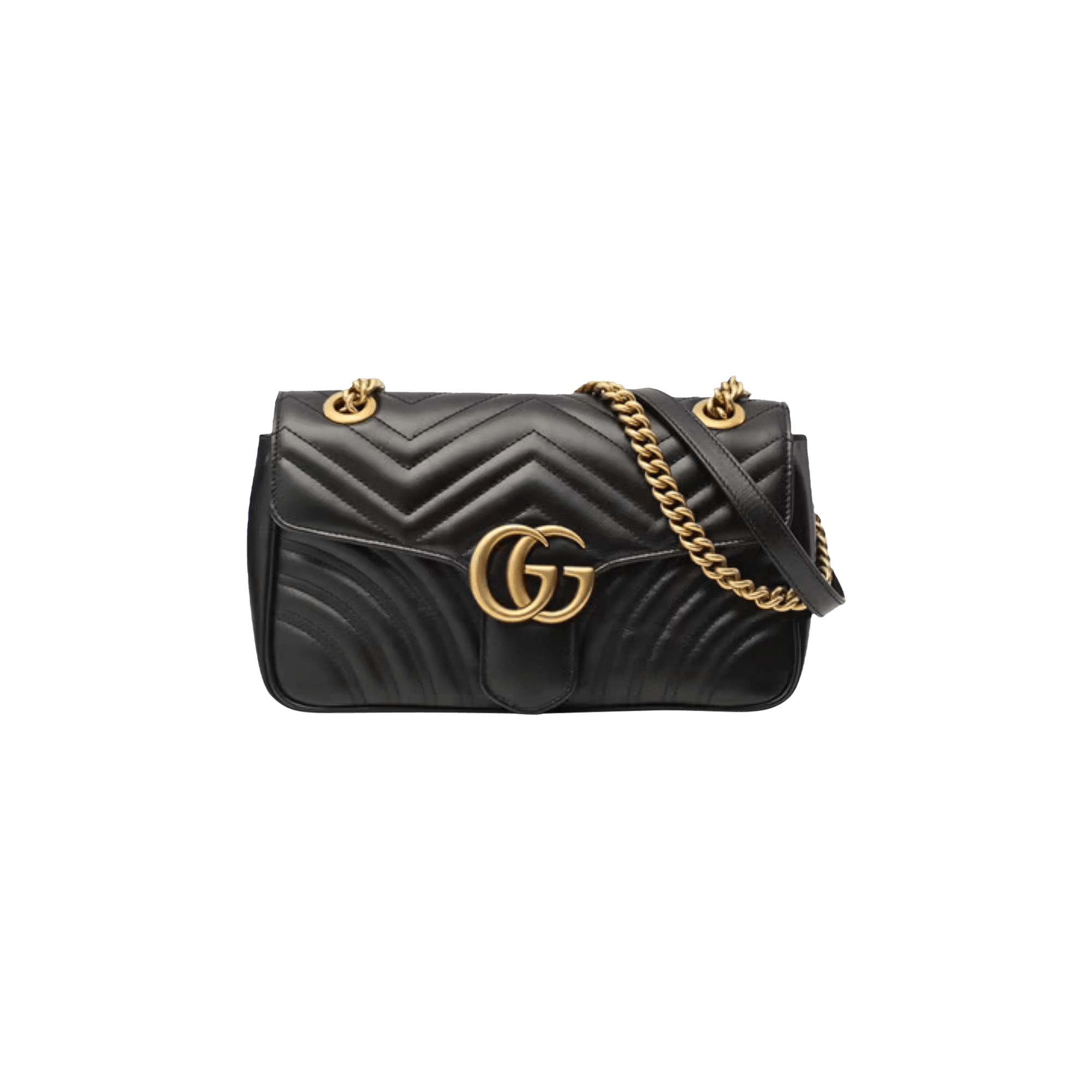
PPR (later Kering) became Gucci's majority owner in 1999. After Ford's departure in 2004, the house cycled through several creative directors before Alessandro Michele was promoted from the accessories design team in 2015. Michele's maximalist, eclectic aesthetic, mixing vintage references, gender-fluid styling, and dense pattern work, became one of the defining looks of late-2010s fashion and drove the GG Marmont and Dionysus bags to global It-bag status, credited with reviving Gucci's sales after a mid-2010s slump.
Michele departed in November 2022, and Sabato De Sarno was named creative director in January 2023, steering the house toward a more restrained, quiet-luxury direction that intentionally dialed back Michele's maximalism. De Sarno exited in early 2025, and in March 2025 Kering named Demna, who had just left a ten-year run at Balenciaga, as Gucci's new artistic director, part of a broader reshuffling of creative leadership across the group's fashion houses.
Gucci remains one of Kering's largest and most important brands, and more than a century after Guccio Gucci opened his Florence shop, the house's leather-goods heritage, bamboo handles, webbing stripes, horsebit hardware, and the double-G monogram, still anchors its handbag lines even as its creative direction continues to shift.
Gucci Resale Trends
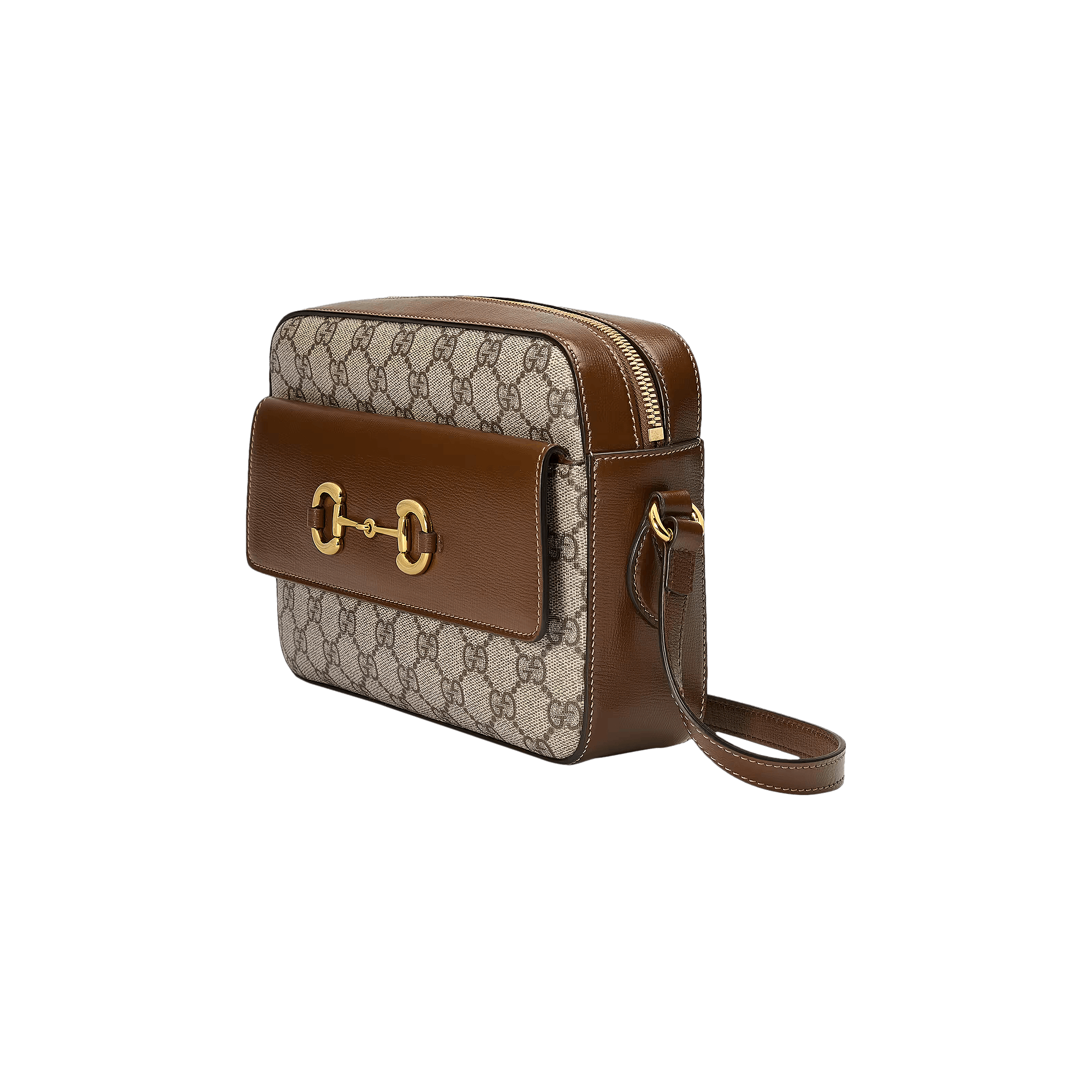
Authenticated pre-owned Gucci typically resells somewhere between 30% and 50% below original boutique retail, though this varies enormously by model, condition, and cultural relevance at the time of resale. Current heritage-driven styles including the Jackie 1961, Horsebit 1955, and Bamboo 1947 have led value retention in recent years, often reselling for 55-80% of retail, a trend closely tied to the broader quiet-luxury movement's preference for logo-restrained, heritage-coded design over louder branding.
Alessandro Michele-era pieces present a more mixed picture. The GG Marmont, especially in black with gold hardware, remains the most consistently resellable everyday Gucci bag simply because of how recognizable and widely produced it is, but its high production volume also caps how much value it retains relative to retail. The Dionysus, Gucci's defining It-bag of 2016-2018, has cooled well below its original retail range in most standard versions, though limited or embroidered special editions continue to command real premiums due to their scarcity.
As a general rule, Gucci's louder, more seasonal prints and logo-heavy pieces depreciate the fastest, while quieter, heritage-coded hardware details, the horsebit, the bamboo handle, the Jackie's piston closure, hold up best. With creative direction now in transition again under Demna following Sabato De Sarno's brief quiet-luxury era, resale watchers expect renewed interest in archive-inspired pieces as the brand's design language shifts once more.