Jacquemus
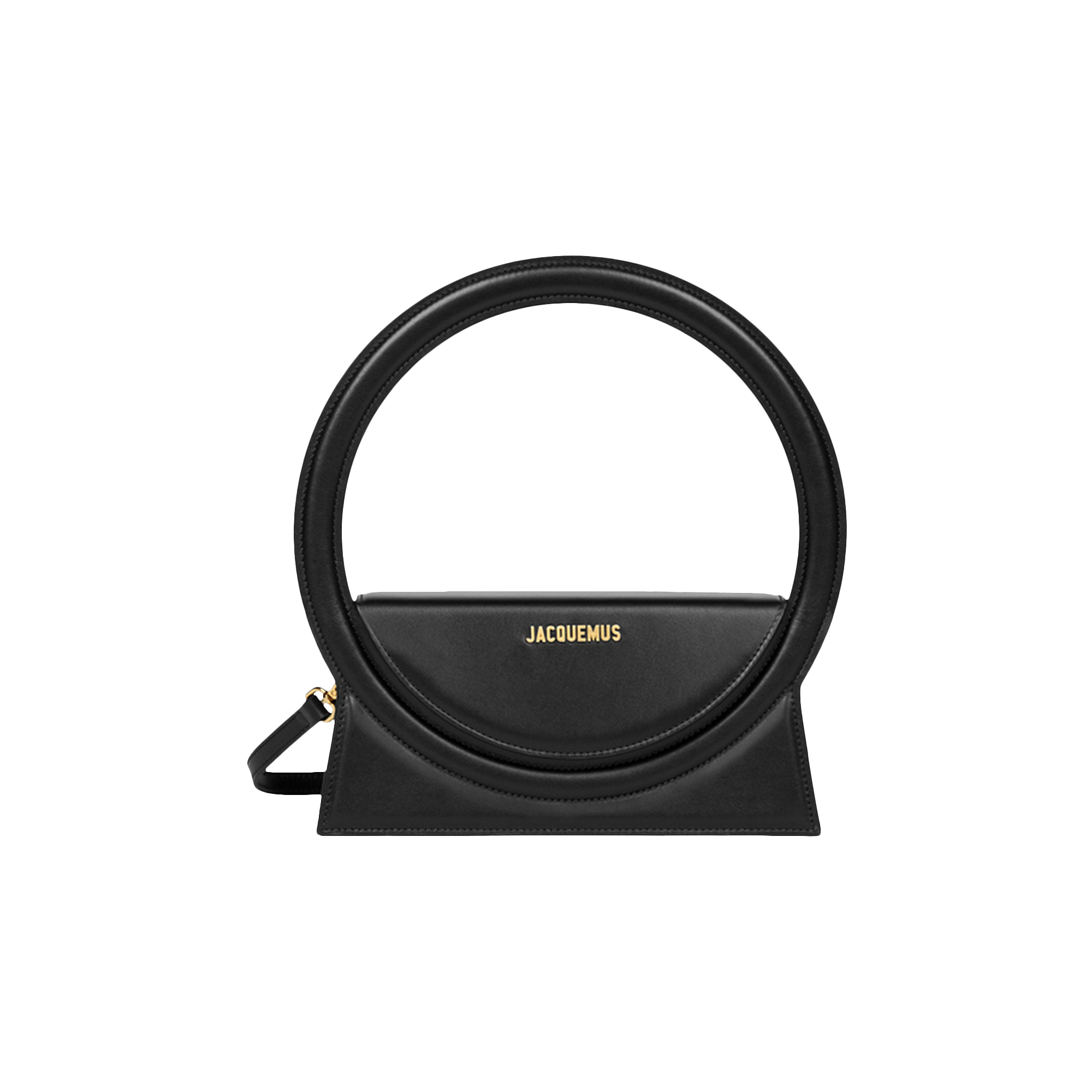
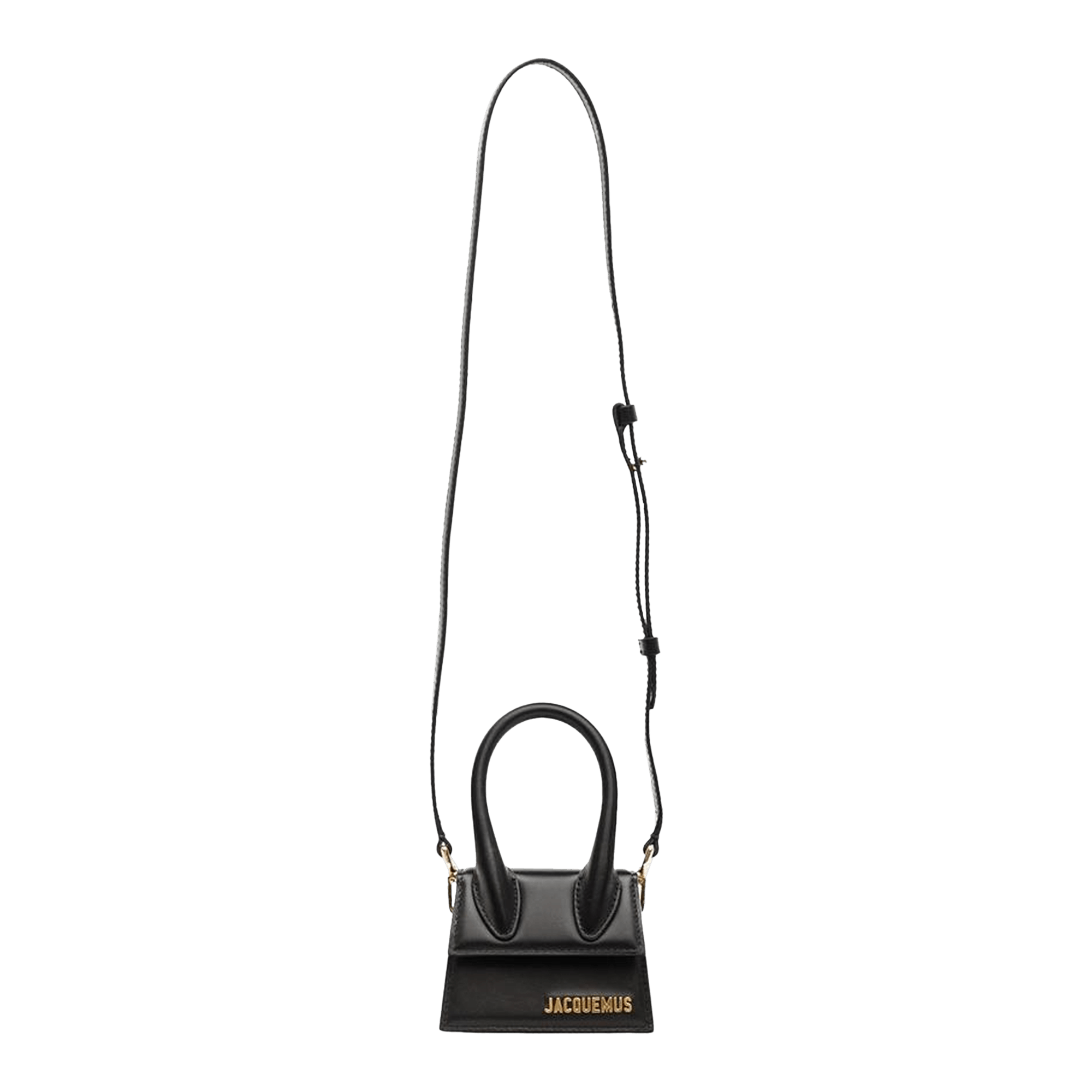
Jacquemus bags punch above their weight in resale, driven largely by the Le Chiquito micro bag, which became a genuine cultural phenomenon and can resell above retail in the most photographed colorways, though its value is closely tied to ongoing cultural visibility rather than long-term investment fundamentals.

About Jacquemus
Jacquemus was founded in 2009 in Paris by Simon Porte Jacquemus, then just 19 years old and without any formal fashion training. He grew up in the south of France, between Provence and the Luberon countryside, and named the label after his mother's maiden name a year after her death, a personal tribute that has remained central to how he talks about the brand's identity and imagery. With no design school background and limited capital, Jacquemus took a job at the Comme des Garcons boutique in Paris in 2011 to help fund his own collections, and received early encouragement from Comme des Garcons founder Rei Kawakubo and Adrian Joffe.
The label built its reputation through the 2010s on a distinctive visual language: pared-back, body-conscious silhouettes in sun-bleached, Mediterranean color palettes, paired with runway shows staged in dramatic, unconventional locations, a lavender field in Provence, a wheat field outside Paris, a salt marsh in the Camargue, and later a Parisian swimming pool. Jacquemus was a finalist for the LVMH Prize in 2014 and won the Special Jury Prize in 2015, the award given to promising young designers, which brought significant industry attention to the young house.
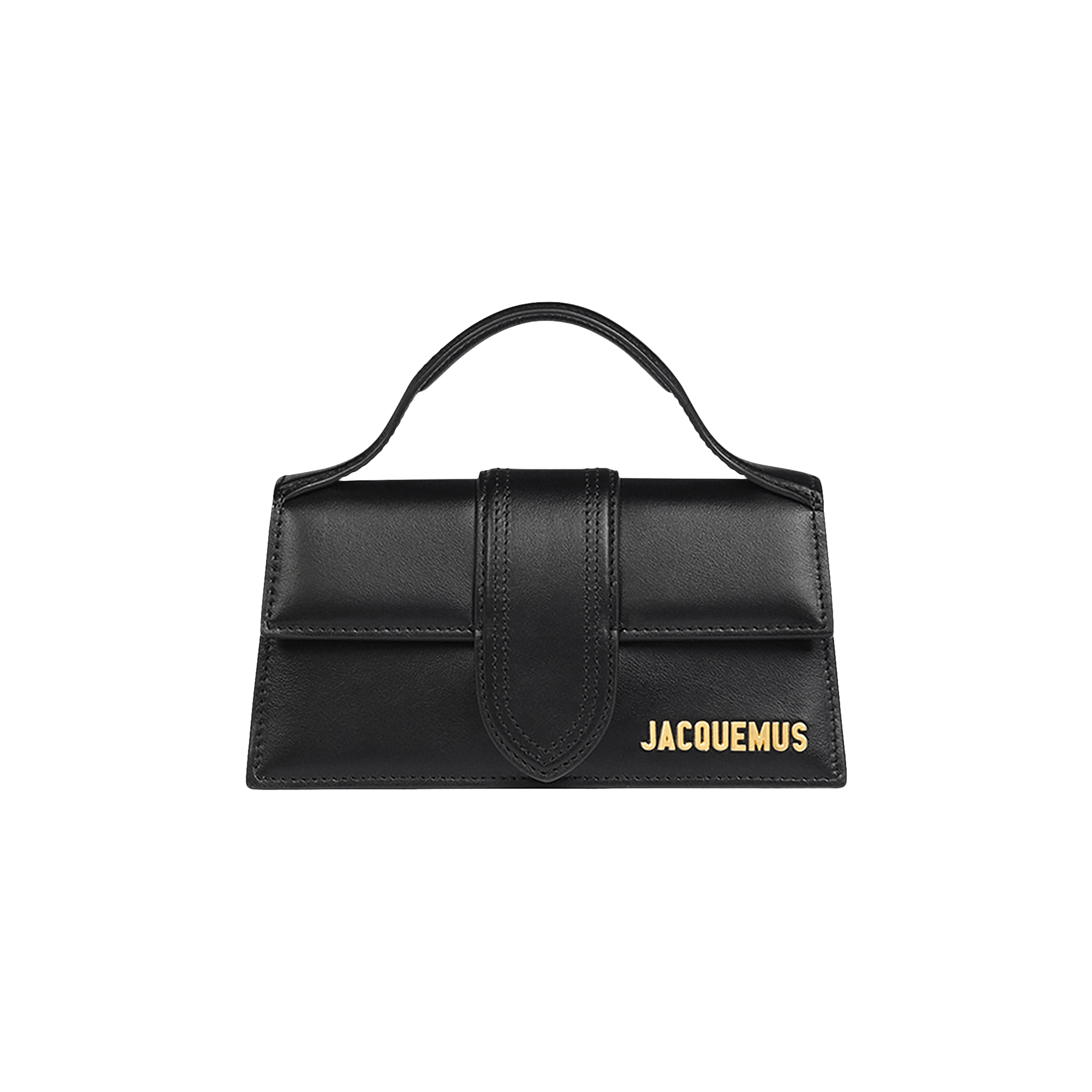
The brand's defining commercial moment arrived with the Le Chiquito, a tiny structured handbag introduced in 2018 that was, by design, barely large enough to hold anything. It became an immediate meme and a genuine cultural artifact, spawning countless imitators and helping kick off the broader micro-bag trend that dominated luxury accessories for several years afterward. The Le Bambino followed as a more practical, everyday version of the same design codes, giving the brand a second core bag line with broader daily usability.
Jacquemus expanded into footwear in 2017 and menswear in 2019, growing from a small independent label into a business that, as of the mid-2020s, rivals long-established heritage houses in cultural visibility despite its comparative youth. The brand has remained majority independent, resisting a full acquisition by a larger luxury conglomerate; L'Oreal took a minority stake of roughly 10% in early 2025 to jointly develop a beauty line, and Simon Porte Jacquemus separately sold a small stake to the private equity fund Sandbridge Capital, moves that gave the house new capital and category expansion without ceding creative or majority control.
Today, Jacquemus continues to be defined by Simon Porte Jacquemus's own instincts as both designer and showman, staging spectacle-driven runway shows that generate outsized social media attention relative to the brand's size, a strategy that has proven just as effective at building resale demand for individual bag releases as more traditional marketing has for larger houses.
Jacquemus Resale Trends
Jacquemus bags resell unusually well for a relatively young, independent label, largely because the brand's product drops are event-driven and image-led rather than continuously available, which creates genuine scarcity around specific colorways and collaboration pieces. The Le Chiquito in particular can trade at or above its original retail price in especially photogenic or limited colorways shortly after release, reflecting its role as a status and social-media object as much as a functional bag.
That value is closely tied to ongoing cultural relevance rather than the kind of durable, decades-long demand that supports resale for houses like Hermes or Chanel. Because Jacquemus's popularity depends heavily on the brand staying visible and buzzworthy through its runway spectacles and collaborations, resale pricing can be more sensitive to shifting trend cycles than heritage leather goods are, and pieces disconnected from the current cultural moment can cool off faster than their initial hype would suggest.
The Le Bambino, as the brand's more everyday, practical bag, tends to hold a steadier, more moderate resale value than the Le Chiquito's boom-and-bust hype cycles, making it the more predictable of the two core lines for buyers who care about medium-term value retention over short-term collectibility.