Brands

Explore

Sell on alias
Le Bambino
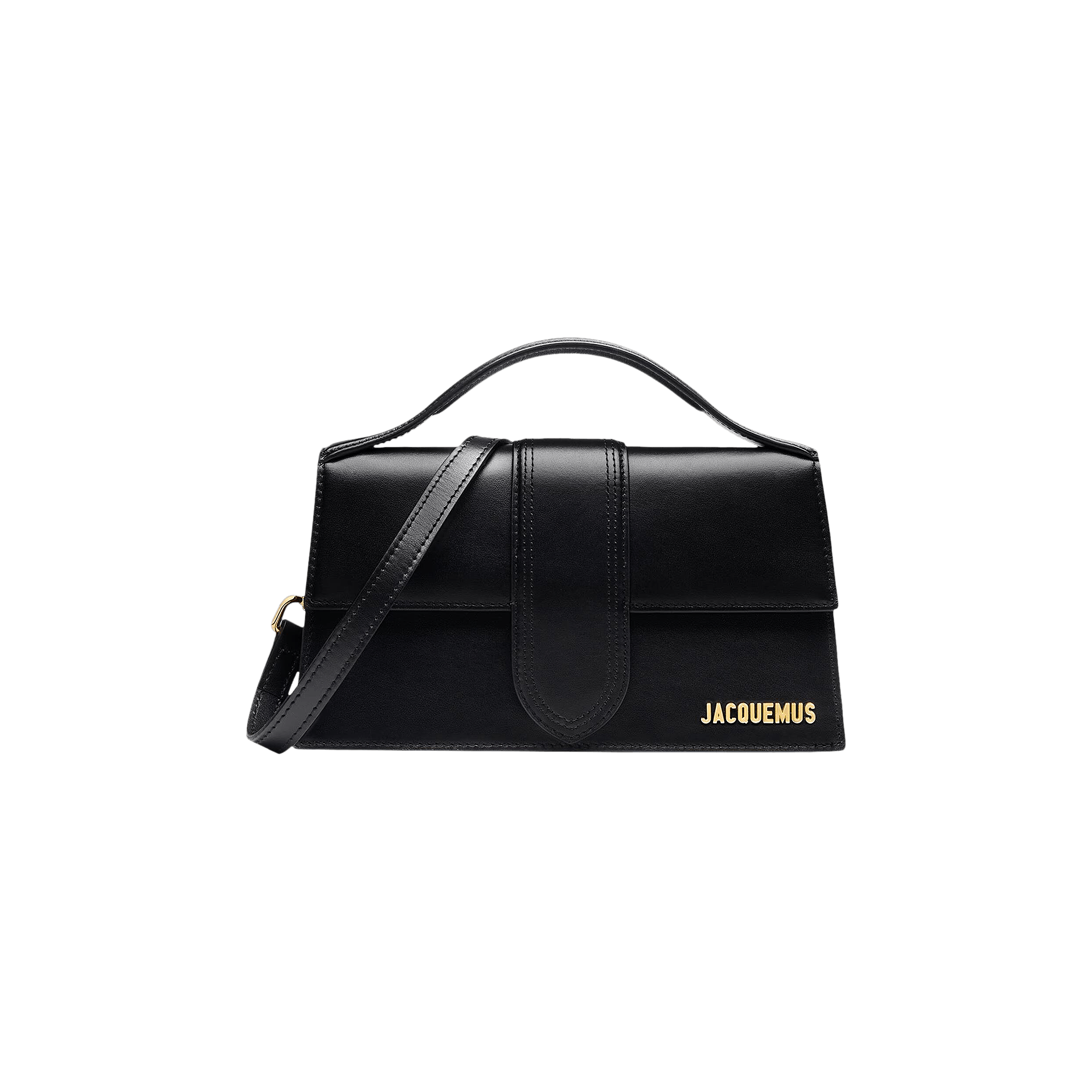
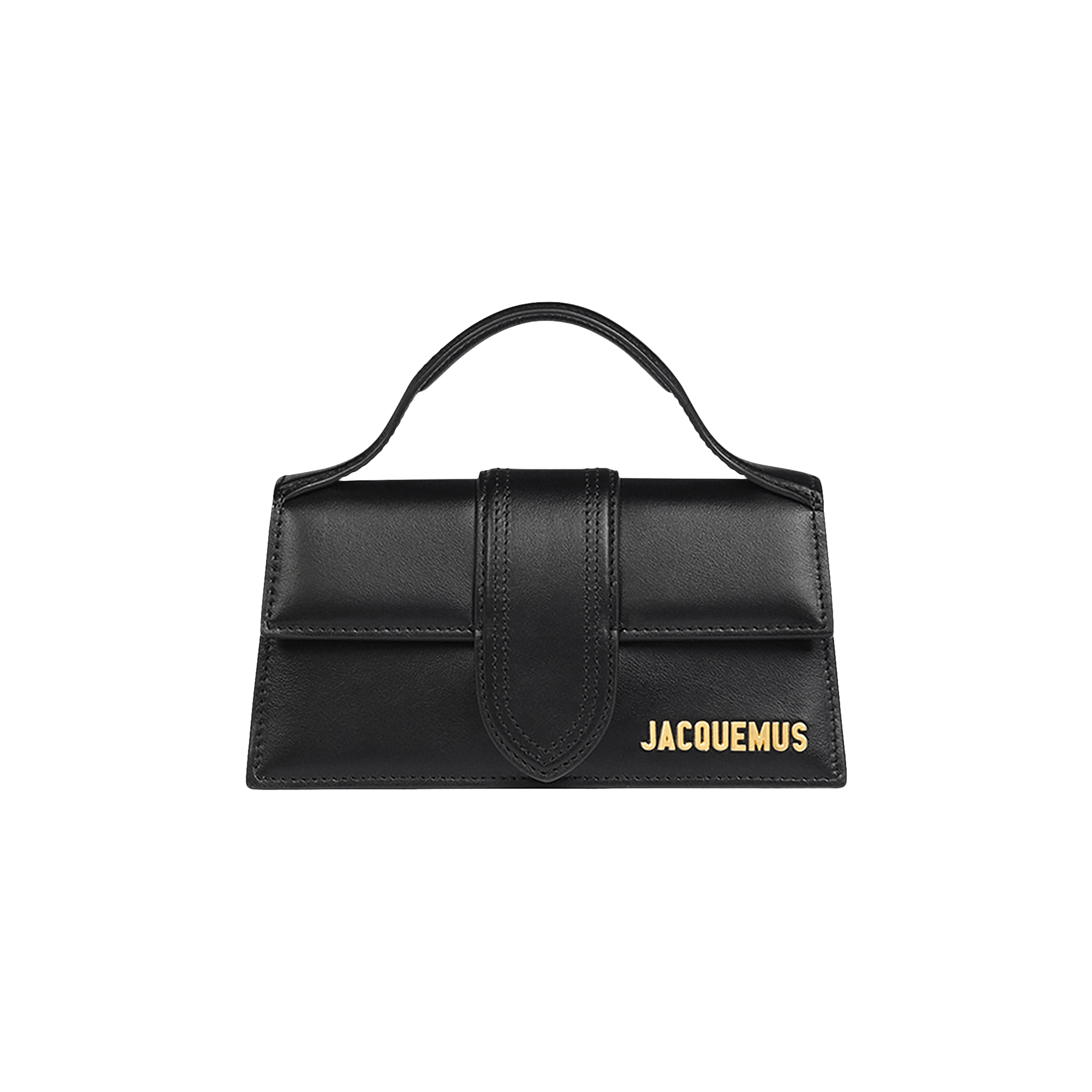
Flat top handleA slim, flat leather handle for hand-carry.A detail resale buyers and authenticators check (Top handle), correct shape, finish, and placement here support a higher verified resale value.
Gold logo lettering"Jacquemus" spelled out in polished gold-tone letters on the front.A detail resale buyers and authenticators check (Front face, lower portion), correct shape, finish, and placement here support a higher verified resale value.
Magnetic flap tab closureEnvelope-style flap with a tab that snaps magnetically.A detail resale buyers and authenticators check (Flap tab), correct shape, finish, and placement here support a higher verified resale value.
Removable strap with engraved claspAdjustable strap ending in a lobster-style clasp stamped with branding.A detail resale buyers and authenticators check (Clasp/strap ends), correct shape, finish, and placement here support a higher verified resale value.
Patch pocket on back exteriorA flat applied pocket on the rear panel.A detail resale buyers and authenticators check (Rear panel), correct shape, finish, and placement here support a higher verified resale value.
Topstitching along seamsVisible contrast or tonal stitching outlining panels.A detail resale buyers and authenticators check (Seam edges), correct shape, finish, and placement here support a higher verified resale value.

Le Bambino

Jacquemus
Stable
Resale Retail
Resale value range
$350 to $700
Retail price range
$720 to $810
MaterialSmooth calfskin leather
HardwareGold-tone logo lettering with a magnetic flap closure
Introduced2020
Categorytop-handle, crossbody

The Le Bambino is Jacquemus's structured everyday bag, expanded into a full size range through 2020 alongside the smaller Le Chiquito. Its smooth calfskin body features a flat top handle, a magnetic flap closure, and the brand's gold-tone logo lettering across the front. It has remained a season-over-season bestseller for the house, valued for offering more everyday practicality than the more sculptural Le Chiquito.
Sizes & Variants

Le Bambino Mini Bambino
Mini Bambino
Petit Bambino (Micro)
4.3" x 3.0"

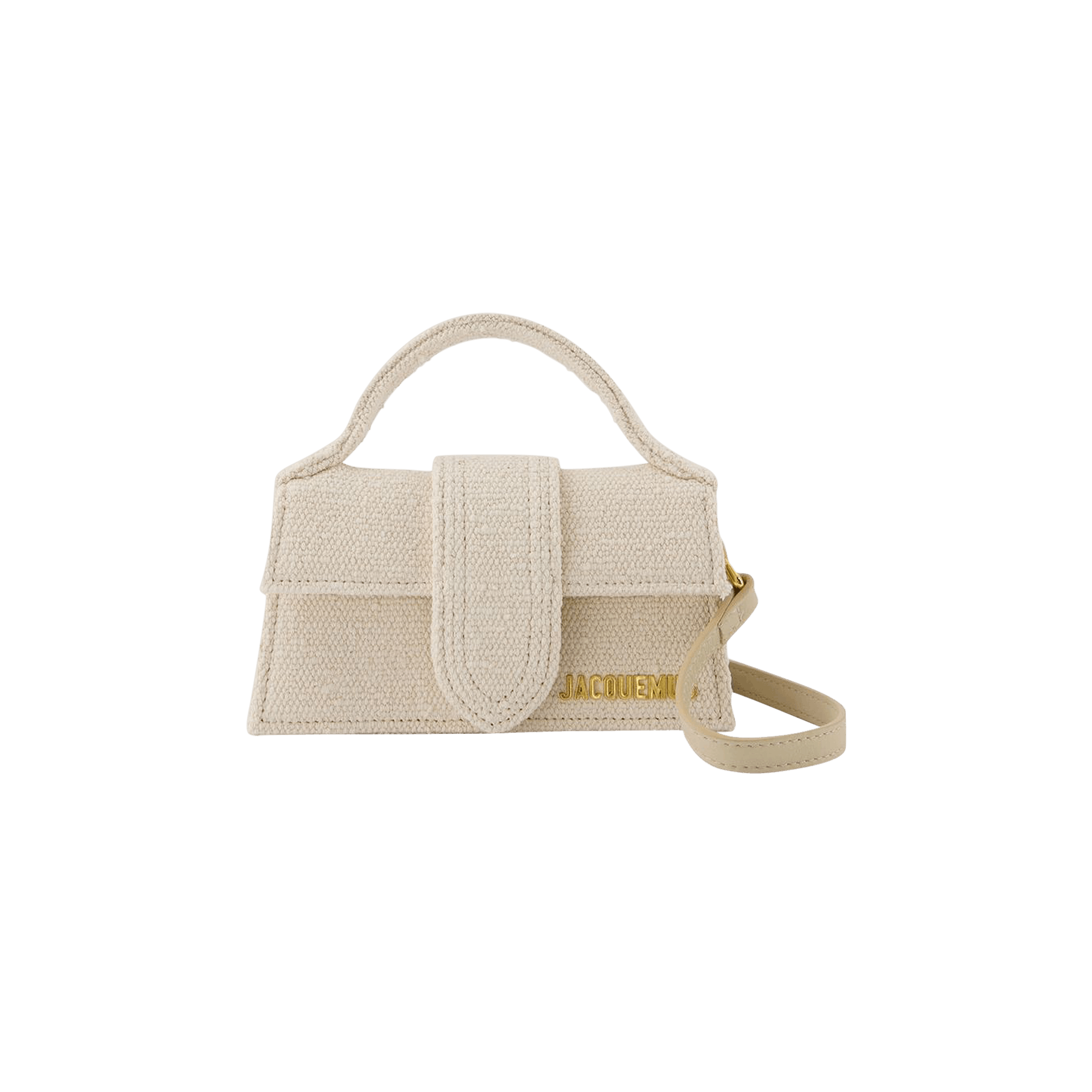
The smallest size in the family, closer to an evening bag than an everyday tote. Holds essentials only, phone, cards, lip balm.

$250 – $450
Le Bambino Bambino (standard/Petit)
Bambino (standard/Petit)
Classic Bambino
6.9" x 3.5" x 2.2"

The core handbag size with adjustable crossbody strap and small handle. The definitive Le Bambino silhouette and the house's best-selling everyday configuration.

$400 – $650
Le Bambino Long Bambino
Long Bambino
Structured Shoulder Bag
9.4" x 5.5" x 2.8"

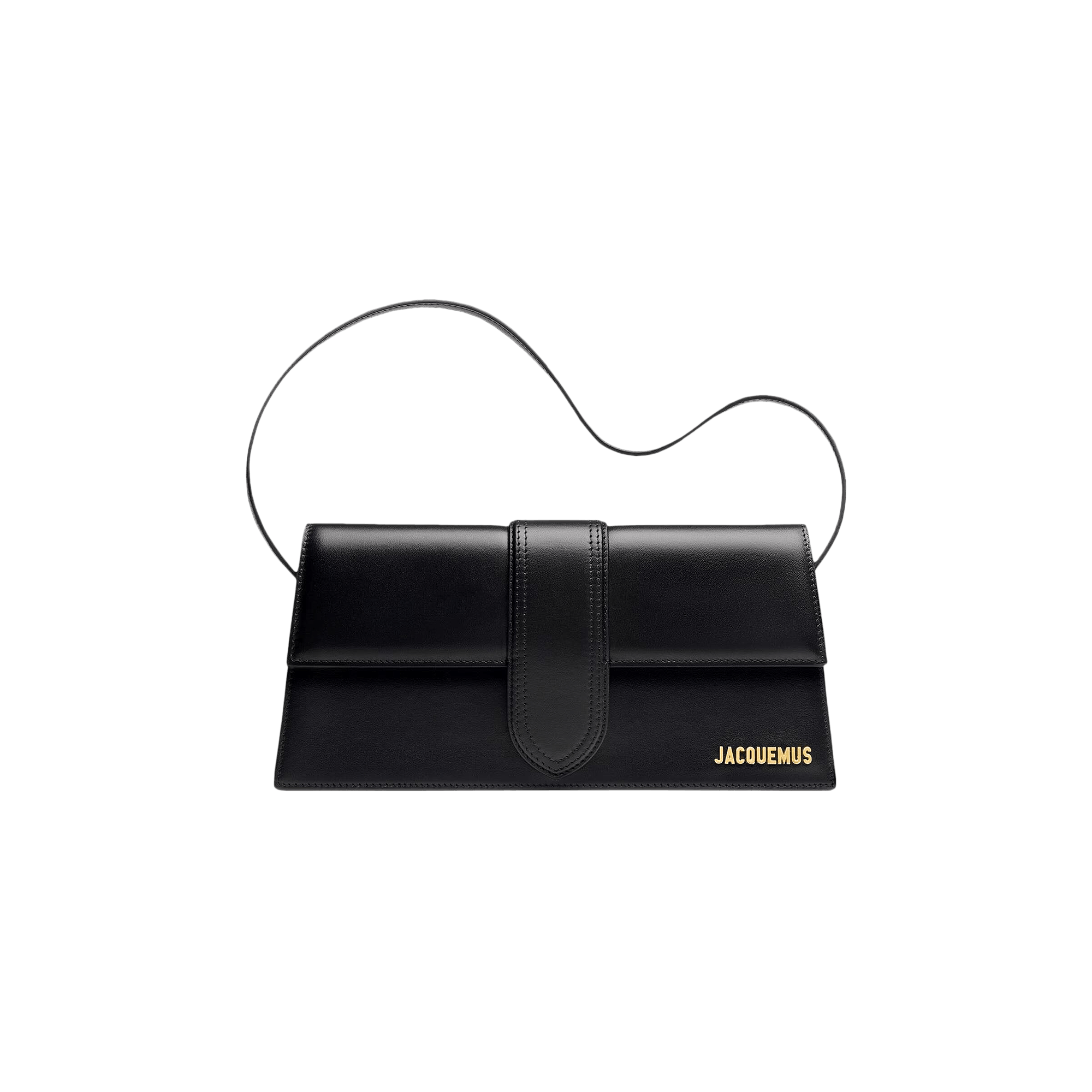
A structured shoulder-bag version with a slim, elongated shoulder strap. Fits more than the standard size while keeping the same rectangular silhouette.

$450 – $750
Le Bambino Grand/Large Bambino
Grand/Large Bambino
Grand Modèle (Large)
9.25" x 5.1" x 2.4"

The largest tote-style size, roomy enough for daily work and travel carry. Highest retail price in the family and the most practical option for full-time use.

$550 – $900

Is the Le Bambino Worth Buying?

Le Bambino resells far more predictably than Le Chiquito, trading at roughly 45-55% of current retail across the range: the standard Bambino (retail around $870) typically resells for $400-$650, while the larger Grand Bambino (retail around $1,150) holds better in dollar terms at $550-$900 thanks to its higher practicality and higher starting retail. Because Le Bambino was built as a daily-use bag rather than a hype release, its resale value has stayed comparatively stable through Jacquemus's post-2021 cooldown, when the brand's more viral pieces gave back much of their peak markup. For a buyer deciding whether to buy new or secondhand, the takeaway is straightforward: Le Bambino is a solid buy-and-use bag that will return roughly half of its retail price years later, but it is not going to appreciate — treat it as a wearable design purchase, not an investment.

History of the Le Bambino

Le Bambino arrived as the practical counterpart to Jacquemus's viral, sculptural Le Chiquito, built around the same visual language — smooth calfskin, a flat top handle, a magnetic flap, and the house's gold-tone logo lettering — but sized for real daily use rather than spectacle. Simon Porte Jacquemus designed it as an everyday bag first: roomy enough for a phone, cardholder, and keys, structured enough to hold its shape, and simple enough to work across seasons rather than a single trend cycle. The line was built out into a full size range through 2020, with a Mini for evenings, the standard Bambino for daily carry, a Long version with an elongated shoulder strap, and a Grand tote-scale option for work and travel.

That size range has proven durable where Le Chiquito's popularity has swung with cultural moment: Le Bambino has stayed in continuous production across seasonal colorways and material updates ever since, becoming one of Jacquemus's steadiest sellers rather than a hype-driven release. It is regularly reissued each season in new leathers and colors, and the Grand and Long sizes in particular have expanded Le Bambino's use case from a going-out bag into a legitimate everyday and travel option, broadening the line's appeal well beyond the early micro-bag audience that first discovered the brand through Le Chiquito.

Cultural Significance

Le Bambino never had a single viral moment the way Le Chiquito did, and that is largely the point — it built its following gradually, worn by the same wave of celebrities and street-style regulars who embraced Jacquemus during the brand's meteoric rise, but valued specifically for being wearable rather than a statement piece. It shows up constantly in fashion-week street style and on the arms of buyers drawn to the brand's Mediterranean, off-duty aesthetic, functioning as the "one to actually use" pick for shoppers who wanted into the Jacquemus world without committing to a bag that can barely hold a phone.

Editorially, Le Bambino is consistently framed as Jacquemus's most sensible design — praised in style and buying guides as the entry point for first-time Jacquemus buyers precisely because it delivers the brand's signature gold lettering and structured silhouette in a size that works for real life. That reputation has made it a steady presence in "best designer bags" roundups years after the initial Le Chiquito hype cycle, giving it a longer editorial shelf life than more moment-driven micro bags.

FAQ

How much is a Jacquemus Le Bambino worth?
A pre-owned Le Bambino typically resells for $350-$900 depending on size and condition. The standard Bambino trades around $400-$650, while the larger Grand Bambino holds a higher dollar value at $550-$900. Current retail runs from about $870 for the standard size to $1,190 for the Long version.
What sizes does the Le Bambino come in?
Le Bambino comes in four sizes: Mini (the smallest, evening-bag scale), the standard Bambino (the core everyday size), Long (an elongated shoulder-bag version), and Grand (the largest, tote-style option). The standard Bambino is the most commonly seen size on the resale market.
Is the Le Bambino a good investment?
Le Bambino is a steadier hold than the viral Le Chiquito, but it is not an appreciating asset. Expect to recover roughly 45-55% of retail on resale. Its value lies in being a genuinely usable, season-over-season bag rather than a collectible.
What's the difference between Le Bambino and Le Chiquito?
Le Bambino is Jacquemus's practical, everyday bag, sized to actually carry your things. Le Chiquito is the brand's sculptural micro bag, built to be a design statement first and a functional bag second. Le Bambino resells more predictably; Le Chiquito's value swings more with cultural moment.
Does the Le Bambino hold its value better than Le Chiquito?
In percentage terms the two are similar, but Le Bambino's resale price is more consistent over time. Le Chiquito can spike well above its typical range for especially photographed colorways, but it can also cool off faster once a specific moment passes. Le Bambino's value stays comparatively steady because demand is driven by usability rather than virality.