The Row
The Row bags are among the most quietly coveted in luxury resale. The Margaux and Park Tote hold near-full retail value, with demand outpacing supply as the brand deliberately limits production.

About The Row
The Row was founded in New York in 2006 by Mary-Kate and Ashley Olsen, former child actors who had spent their entire lives in front of the camera before turning to fashion. The project began a year earlier, when Ashley Olsen set out to design what she considered the perfect T-shirt, testing fit and fabric across women of different ages and body types. That exercise grew into a seven-piece debut collection released in 2006, built around the T-shirt alongside cotton sateen leggings and a cashmere tank dress. The label took its name from Savile Row, the London street synonymous with bespoke tailoring, signaling an intent to compete on construction and fabric rather than celebrity.
From the outset, the Olsens rejected the playbook typically used by celebrity-founded labels. There was no overt branding, minimal advertising, and almost no press access; the sisters gave few interviews and kept their own social media presence to a minimum. Instead, the brand built its reputation through the clothes themselves: precise tailoring, exacting pattern-making, and some of the most expensive fabrics used in ready-to-wear, priced accordingly. Mary-Kate and Ashley serve as co-creative directors, overseeing design personally rather than delegating to a hired design team, which is unusual for a house operating at this scale.
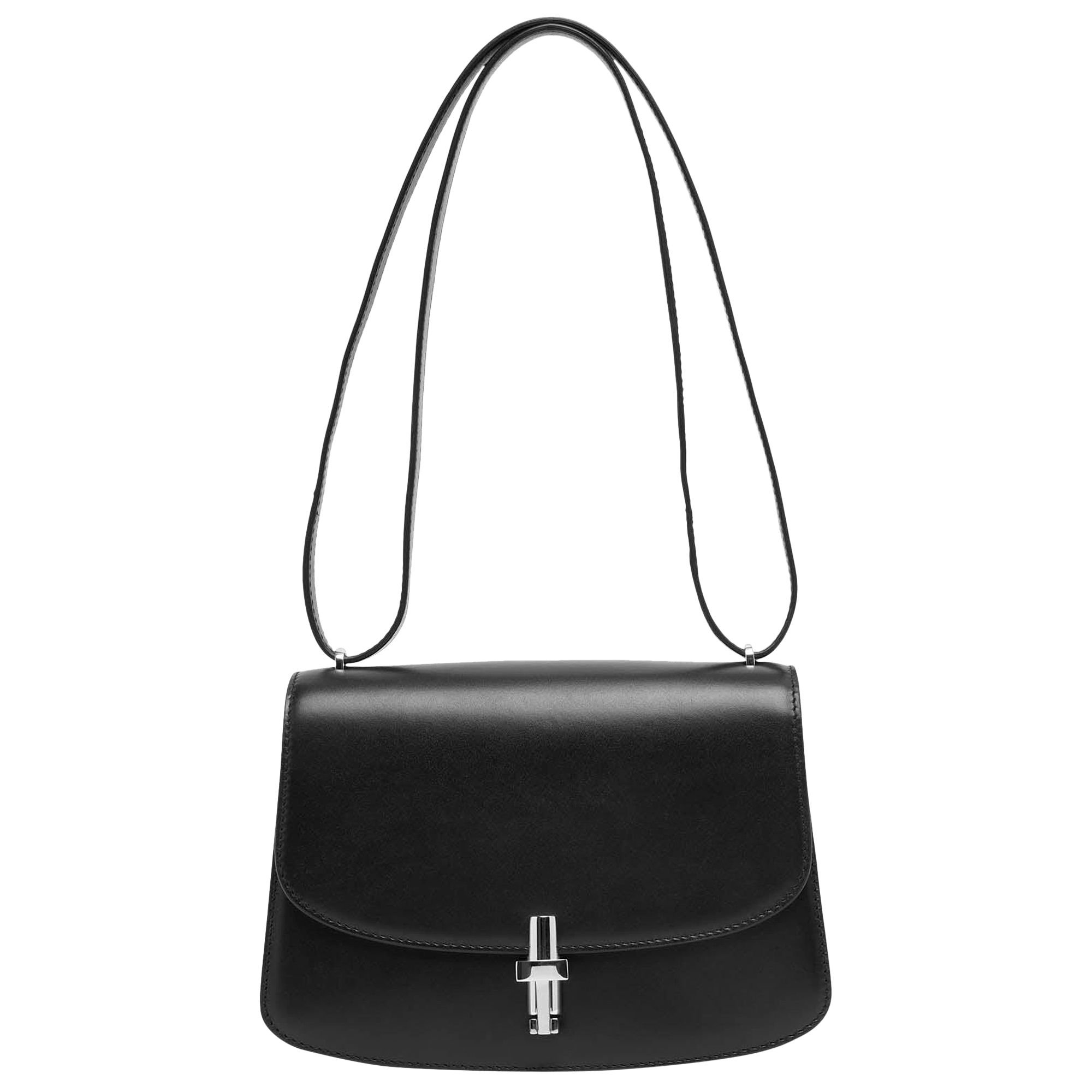
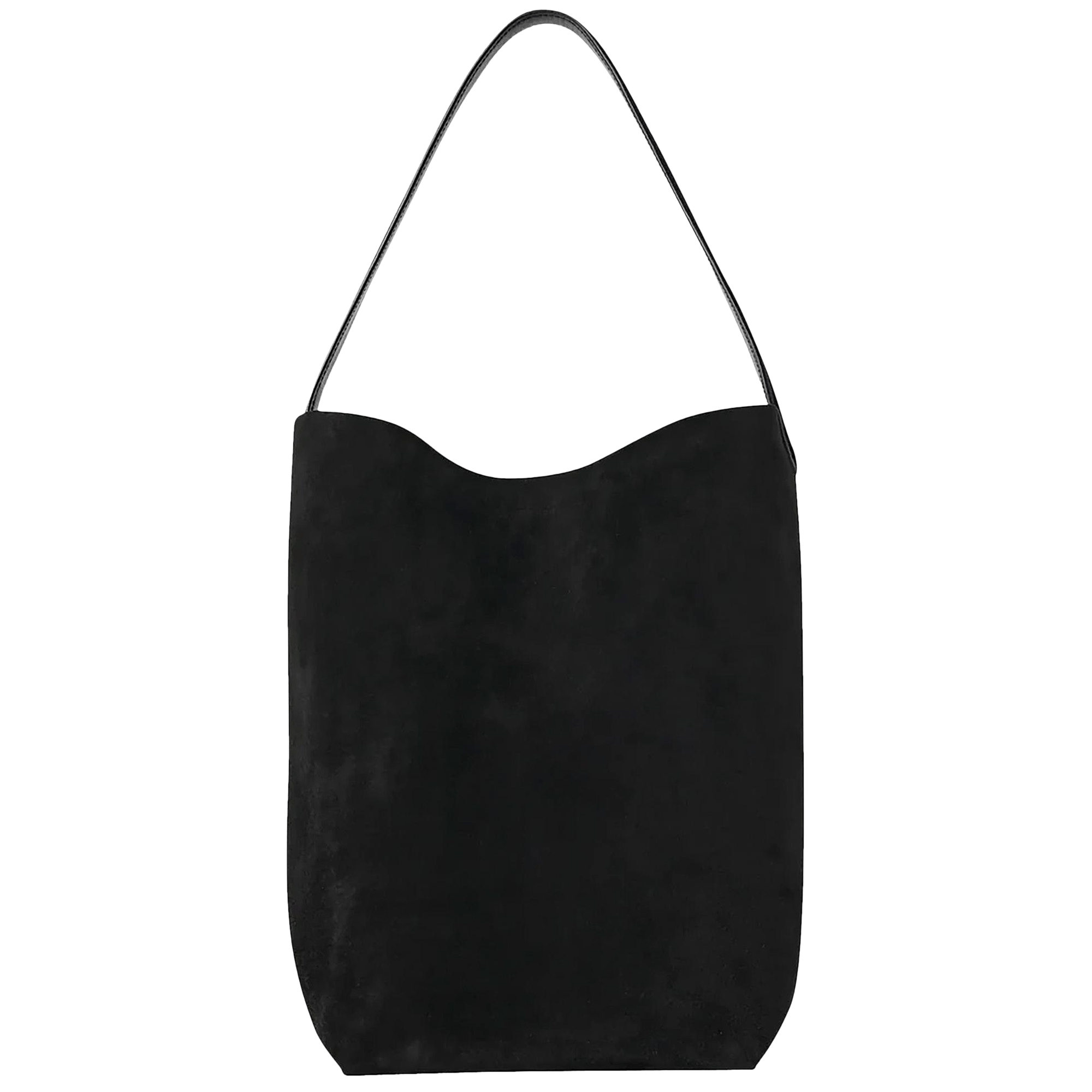
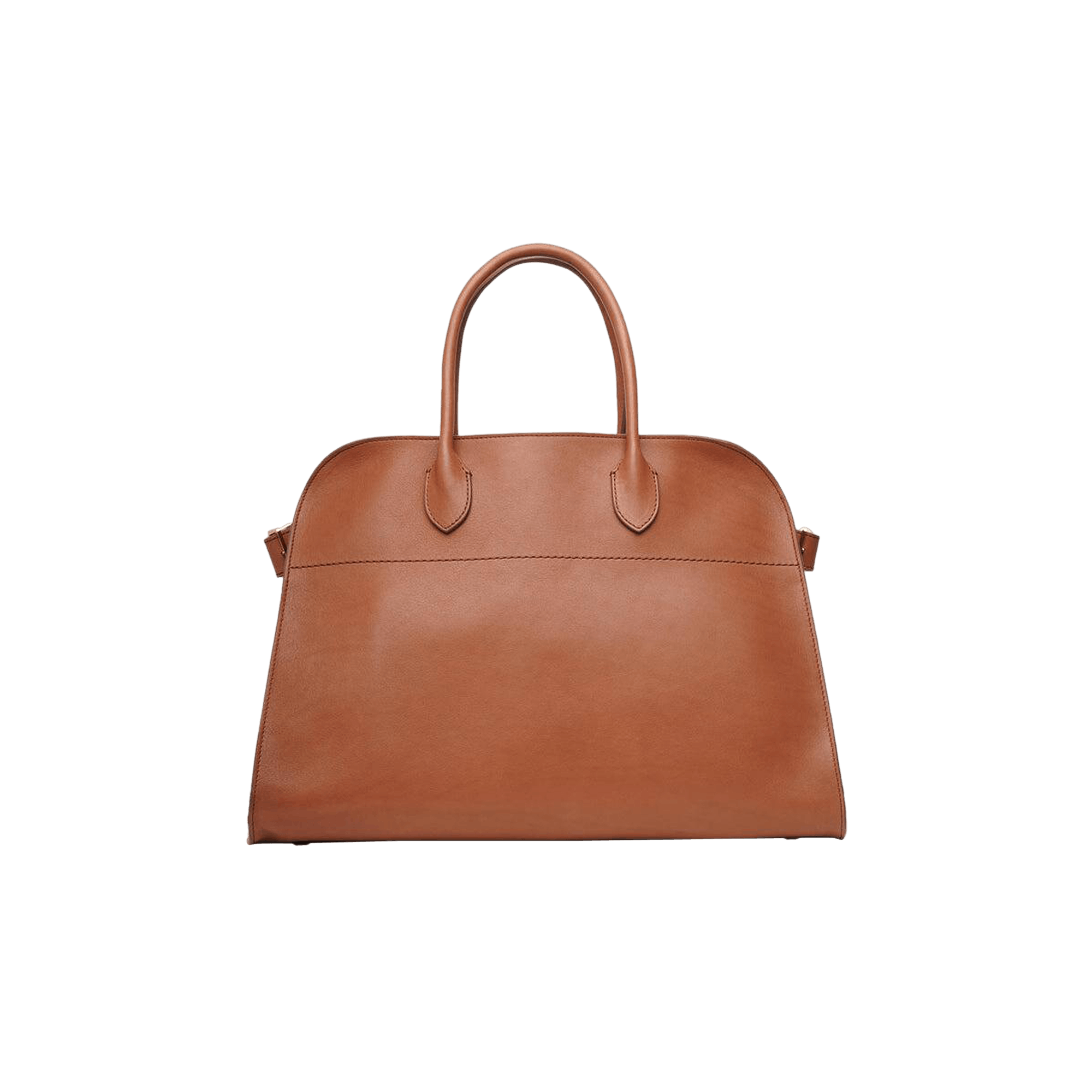
The Row expanded steadily through the 2010s, growing from womenswear into menswear, footwear, and leather goods, and opening directly operated boutiques in New York, Los Angeles, and other major fashion capitals. Handbags became a core pillar of the business as the decade progressed. The Sofia, a structured flap bag with a distinctive metal clasp, was among the brand's early leather goods successes, and the Margaux tote, introduced in 2018, went on to become the label's signature bag and one of the most recognized quiet-luxury accessories of its era. The brand's minimalist totes and top-handle bags, including the Park Tote and Ascot, reinforced the same philosophy applied to ready-to-wear: identification through material and construction rather than logos or hardware.
The industry took notice of this approach early. The Council of Fashion Designers of America named Mary-Kate and Ashley Olsen Womenswear Designers of the Year in 2012 and again in 2015, a rare distinction that placed The Row alongside the most respected names in American fashion rather than treating it as a celebrity side project. That critical credibility, combined with the brand's deliberately limited production runs, has made The Row one of the defining houses of the 2020s quiet-luxury and old-money-aesthetic movement, with pieces that circulate as much on resale platforms and style forums as they do in stores.
Today The Row operates as a privately held company with boutiques across North America, Europe, and Asia, alongside select luxury department store distribution. It remains unusual among major fashion houses for its near-total absence of advertising and its scarcity-driven production model, both of which have translated directly into strong secondary-market demand for its handbags.
The Row Resale Trends
The Row's handbags post some of the strongest retention rates in luxury resale, frequently holding 70 to 90 percent of retail value and, in the case of discontinued styles, sometimes exceeding original MSRP entirely. That performance is a direct result of the brand's production model: The Row makes far fewer units than comparably priced competitors, sells almost exclusively through its own boutiques and a small number of wholesale partners, and rarely discounts. When demand for a given style outpaces the limited supply, resale prices firm up quickly rather than drifting downward the way trend-driven handbags typically do.
The Margaux and the N/S Park Tote are the brand's most liquid resale styles, the ones most consistently listed and most quickly sold on platforms like TheRealReal, Fashionphile, and Vestiaire Collective. The Margaux in particular has become a bellwether for the brand since its 2025 boutique-only relaunch as the Soft Margaux, with secondary-market prices for the original style rising well above where they sat when the bag was in regular production.
What distinguishes The Row's resale behavior from other investment-bag categories is the absence of hype-driven volatility. Because the brand does not advertise, run collaborations, or generate viral drops, its resale values tend to move gradually and predictably rather than spiking and correcting. Buyers are paying for material quality, construction, and scarcity rather than a logo moment, which keeps demand, and resale pricing, comparatively steady across economic cycles.