Lemaire
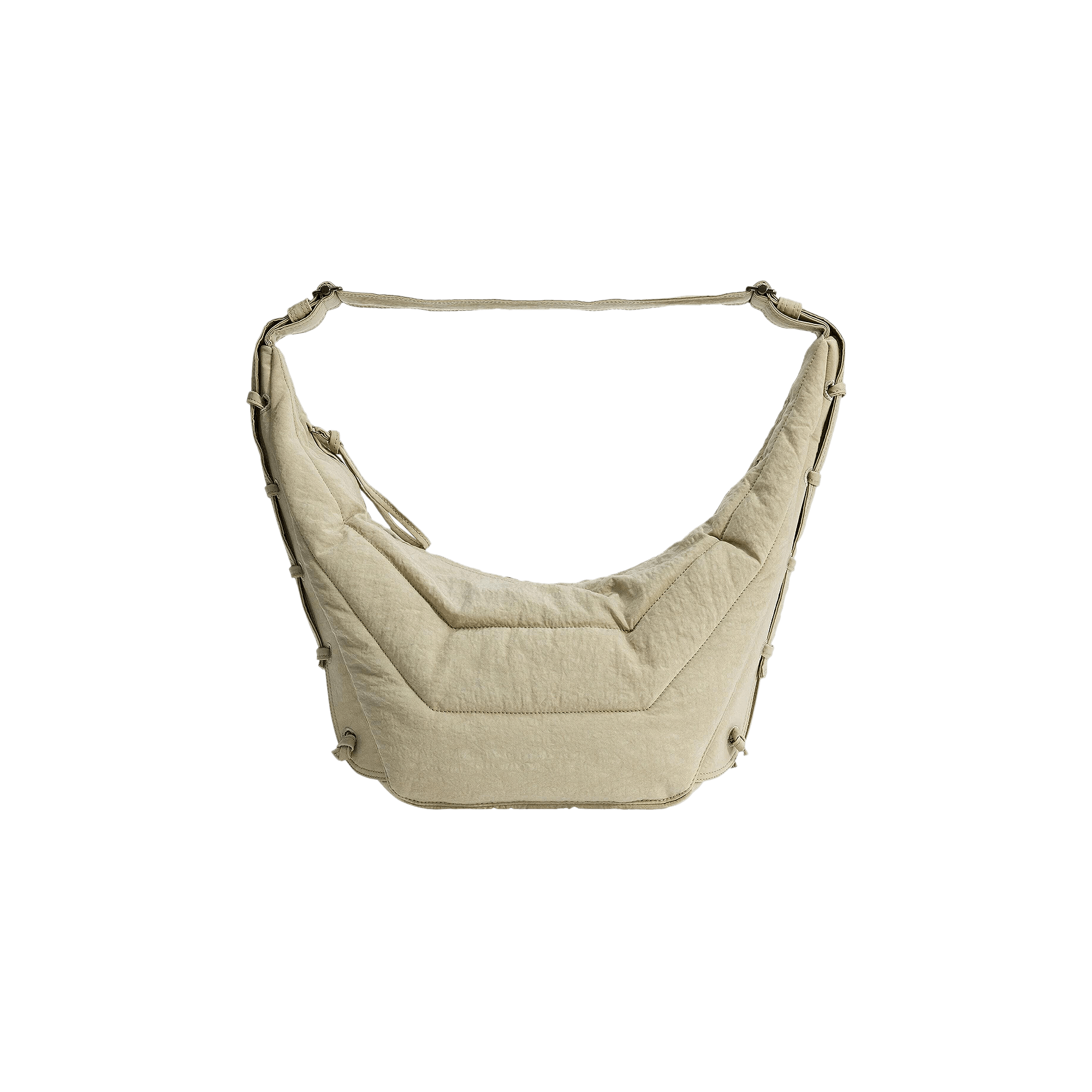
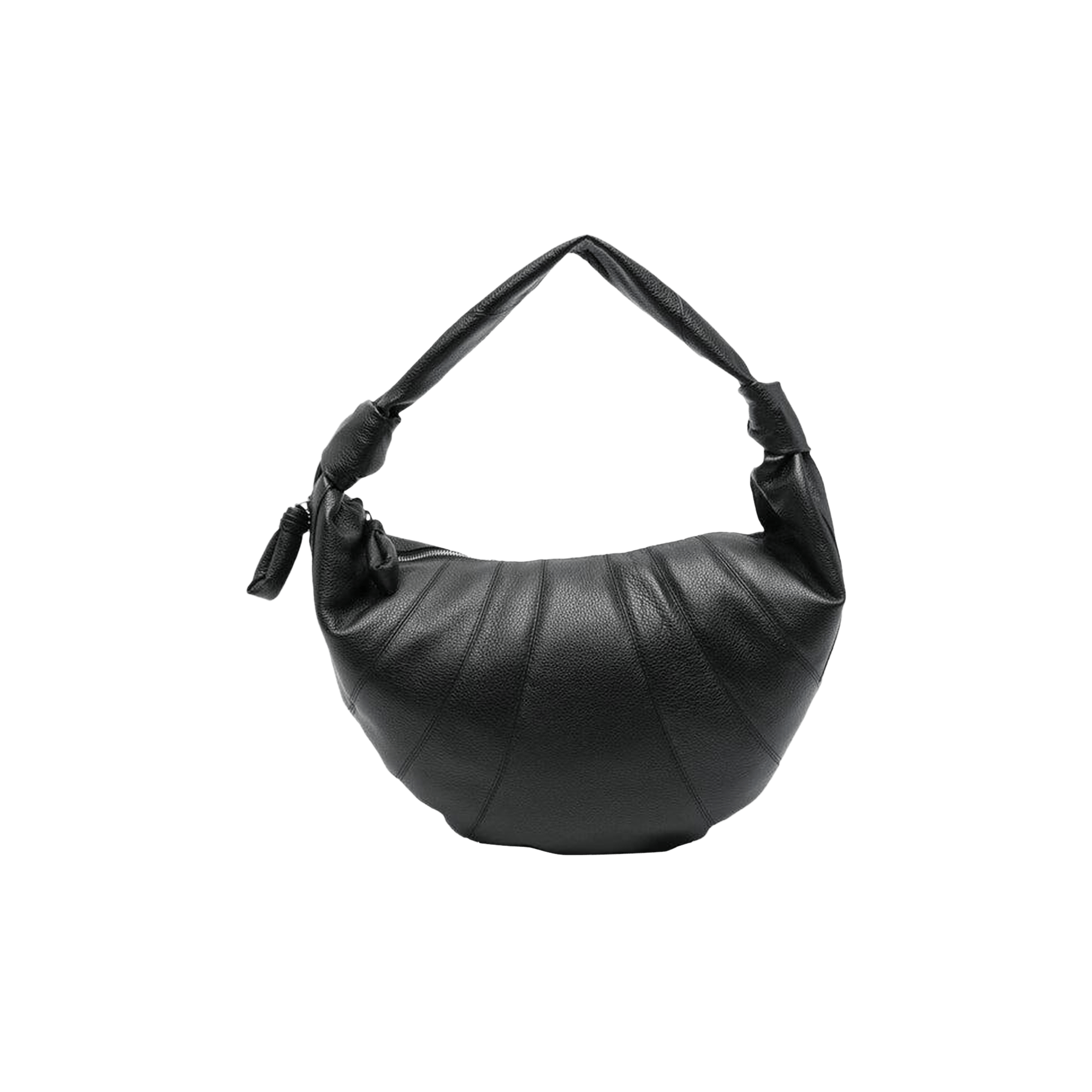
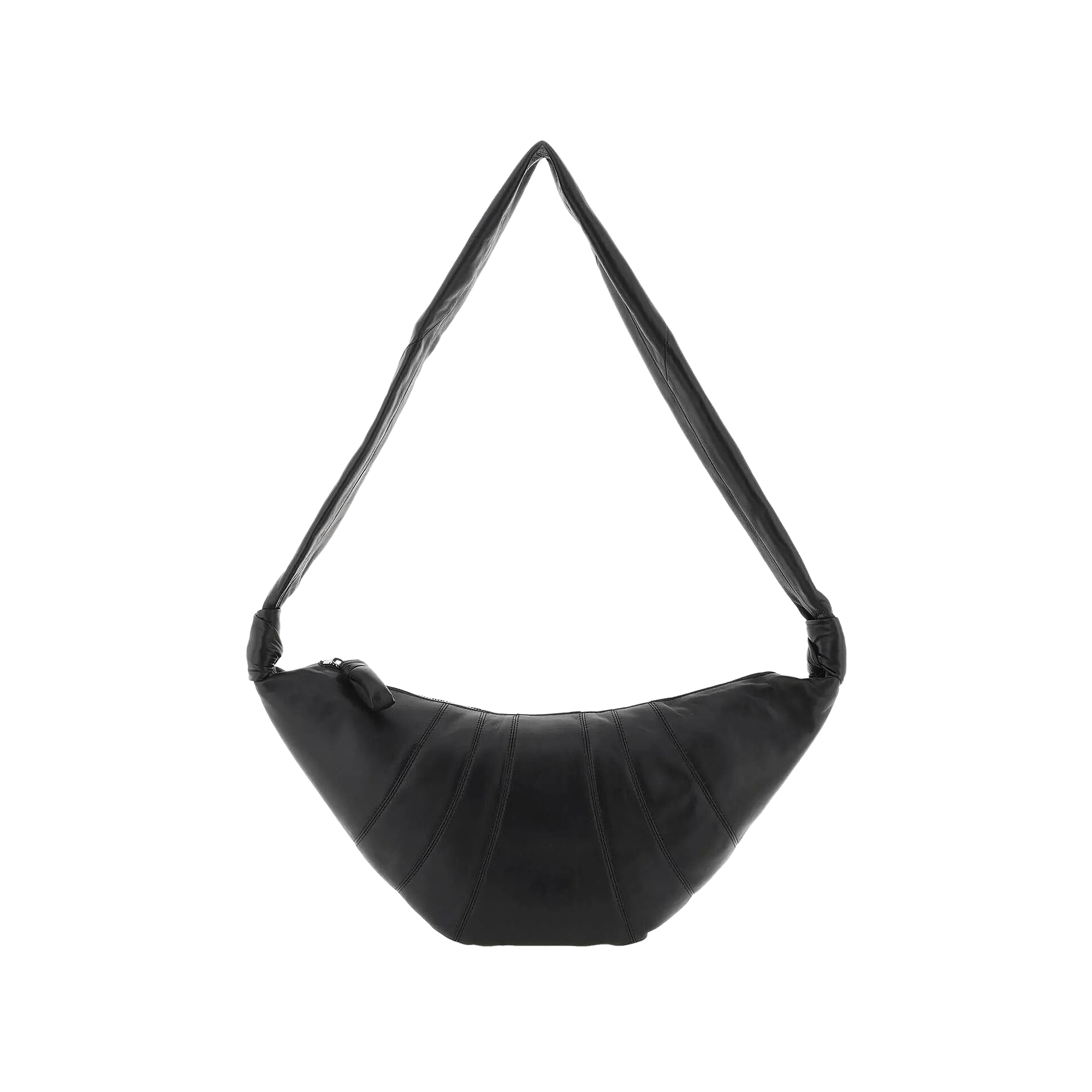
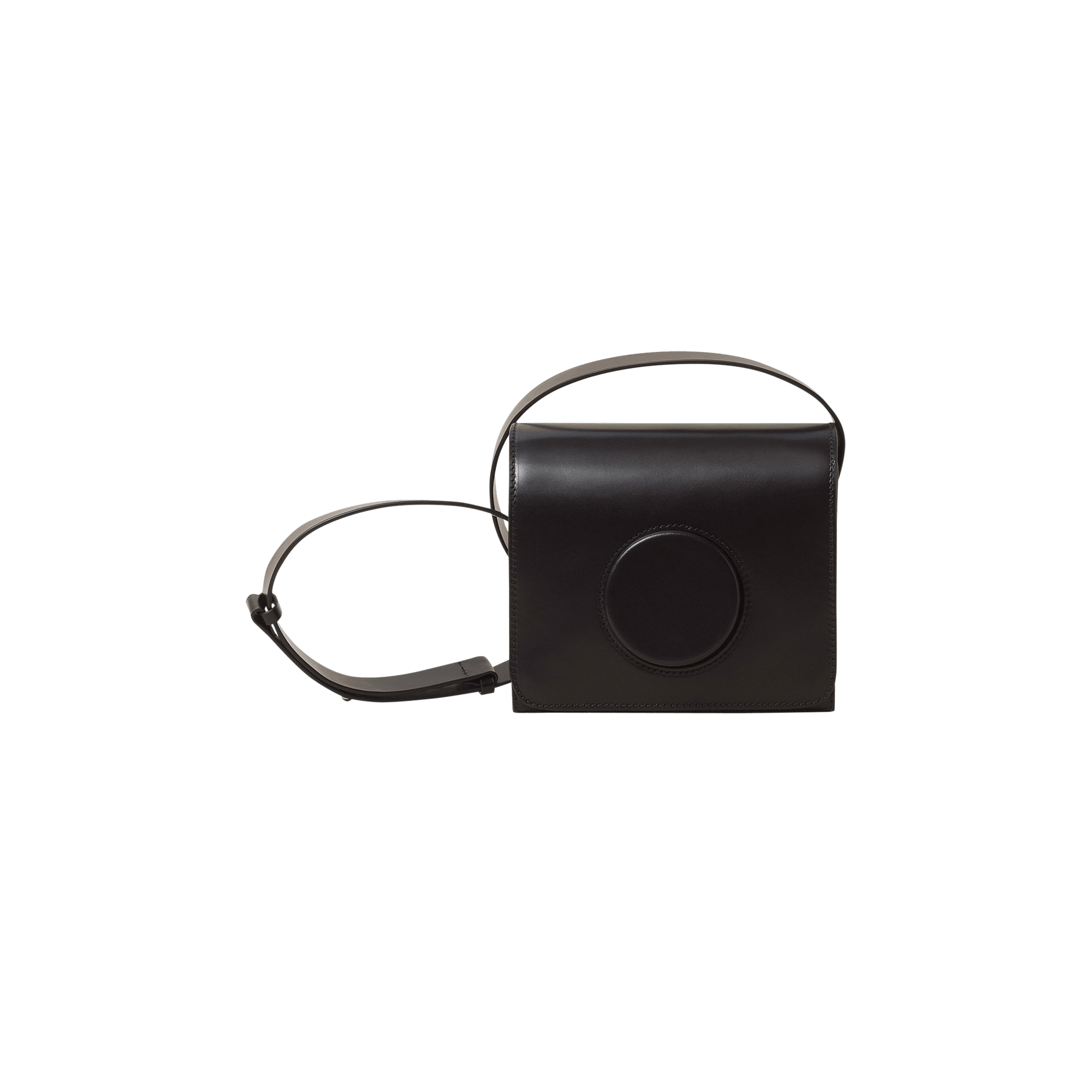
Lemaire has built a loyal following among minimalist and quiet-luxury shoppers, and that demand carries into resale. The Croissant Bag remains the breakout hit, with sought-after colorways trading at or above retail, while bags like the Camera Bag and Soft Game Bag hold steadier, more moderate resale value.

Lemaire Bags
About Lemaire
Christophe Lemaire trained as a designer in Paris in the 1980s, working at Thierry Mugler before moving to Christian Lacroix, where he absorbed the technical rigor of French couture. In 1991, at twenty-four, he launched his own label under his name, building small, considered collections around utilitarian shapes and unfussy tailoring at a moment when maximalism defined French fashion. The label grew slowly and deliberately for its first decade, gaining a reputation among industry insiders for restraint rather than spectacle.
In 2000, Lemaire took on the role of creative director at Lacoste, a ten-year tenure in which he reworked the brand's polo-shirt heritage into a cleaner, more directional sportswear line while continuing to develop his own label on the side. He left Lacoste in 2010 and was named creative director of Hermès' womenswear collections the following year, succeeding Jean Paul Gaultier, a post he held while Sarah-Linh Tran, a former magazine editor who joined him as co-designer that same year, took on a growing role shaping the Lemaire label's image and womenswear line.
The defining structural shift came in 2015, when Lemaire and Uniqlo's parent company, Fast Retailing, announced a collaboration that evolved into Uniqlo U, a mainline collection designed by Lemaire and Tran from a dedicated Paris research and design studio. Fast Retailing took a minority stake in the Lemaire label in 2018 and expanded its position over the following years, eventually becoming its majority owner, while Lemaire and Tran continued to run the label's own creative direction independently of the Uniqlo studio. The arrangement gave the label the production and financial backing of a large retail group while keeping its runway and accessories lines distinctly separate from Uniqlo's mass-market pricing.
Bags became central to that independent business. Lemaire's accessories, built around soft, curved silhouettes, muted neutral colorways, and details like hand-tied leather knots in place of visible hardware, gave the label's quiet, utilitarian aesthetic an unusually wearable, unisex expression. The Croissant Bag, introduced in the late 2010s, became the breakout piece: a crescent-shaped shoulder bag that spread well beyond the label's existing customer base and turned into one of the most recognized silhouettes in contemporary minimalist fashion, regularly cited alongside the era's other "quiet luxury" signifiers. That commercial momentum showed up in the label's overall growth, with in-house sales climbing roughly tenfold, from around €10 million in 2019 to more than €100 million in 2024.
Lemaire and Tran stepped away from Uniqlo after their Fall/Winter 2026 collection to concentrate fully on their own label, closing out a decade-long partnership that had scaled the brand considerably. Today Lemaire occupies a distinct position in the market: a Paris-based, France-founded house with the backing of a global retail conglomerate, known less for logos than for a specific, consistent design language, and increasingly defined in the popular imagination by its bags, above all the Croissant, as much as by its ready-to-wear.
Lemaire Resale Trends
On the resale market, Lemaire's bag lineup splits into one clear standout and a supporting cast that behaves more like classic quiet-luxury inventory. The Croissant Bag is the exception: sought-after colorways, particularly the perennial black nappa leather versions, can sell at or close to retail on the secondary market and occasionally command a premium when a specific size or seasonal color has sold out at retail, a dynamic more typical of hype sneakers or bags from much larger houses.
The rest of the range, including the Camera Bag, the Soft Game Bag, and the newer Fortune Croissant, trades in a more conventional pattern. Used examples in strong condition typically resell in the 50-80% of retail range depending on size, material, and platform, holding value reasonably well for a contemporary designer label but without the above-retail spikes seen on the Croissant. Canvas and nylon pieces tend to sell for less than leather versions in comparable condition.
More broadly, Lemaire benefits from the same retention dynamics that favor other quiet-luxury and minimalist-leaning labels: a consistent, largely unbranded design language means older seasons don't look dated the way logo-driven pieces can, core black and neutral colorways stay in steady demand, and the label's growing visibility, aided by its decade-long Uniqlo-era exposure, has widened the pool of resale buyers over the past several years.