Loewe
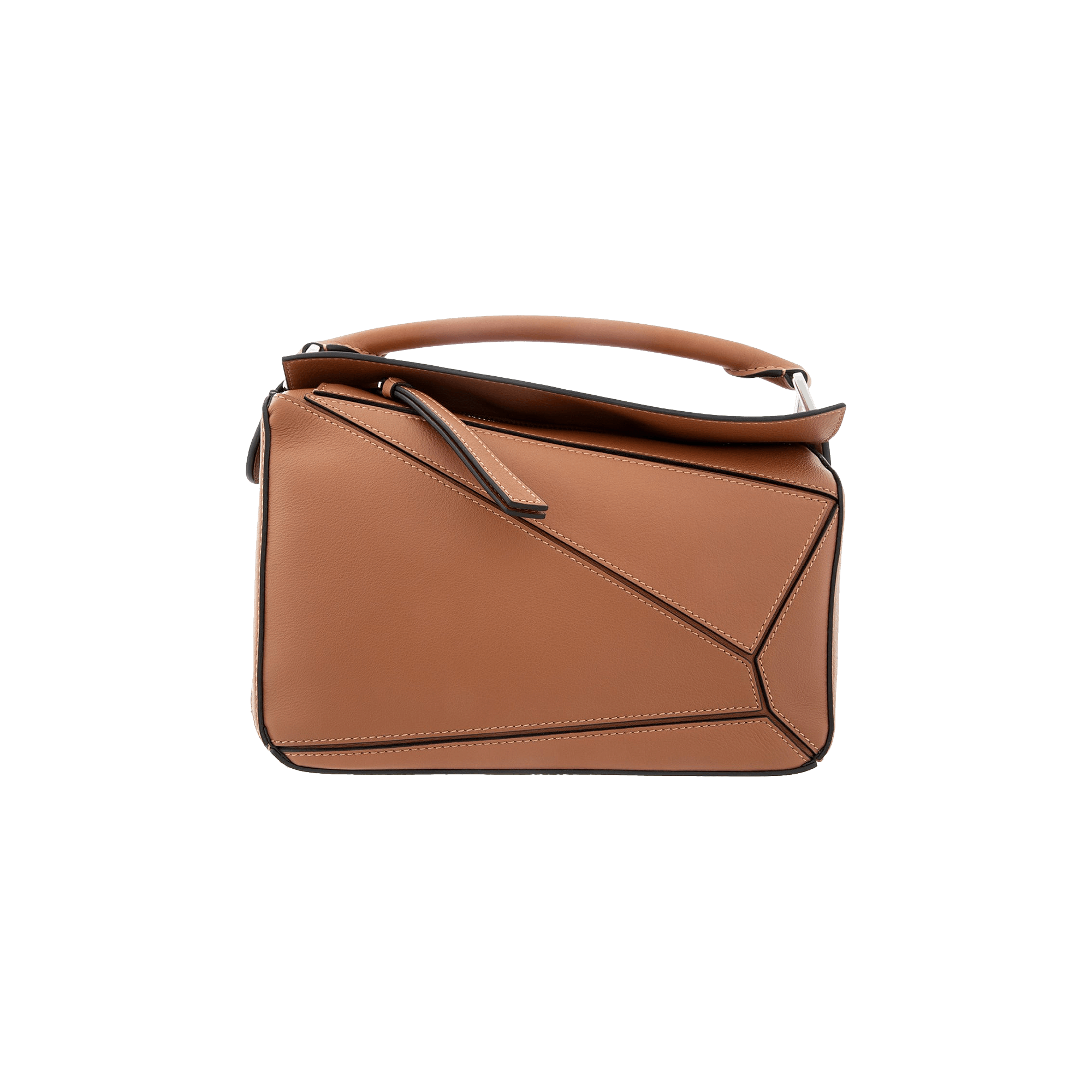
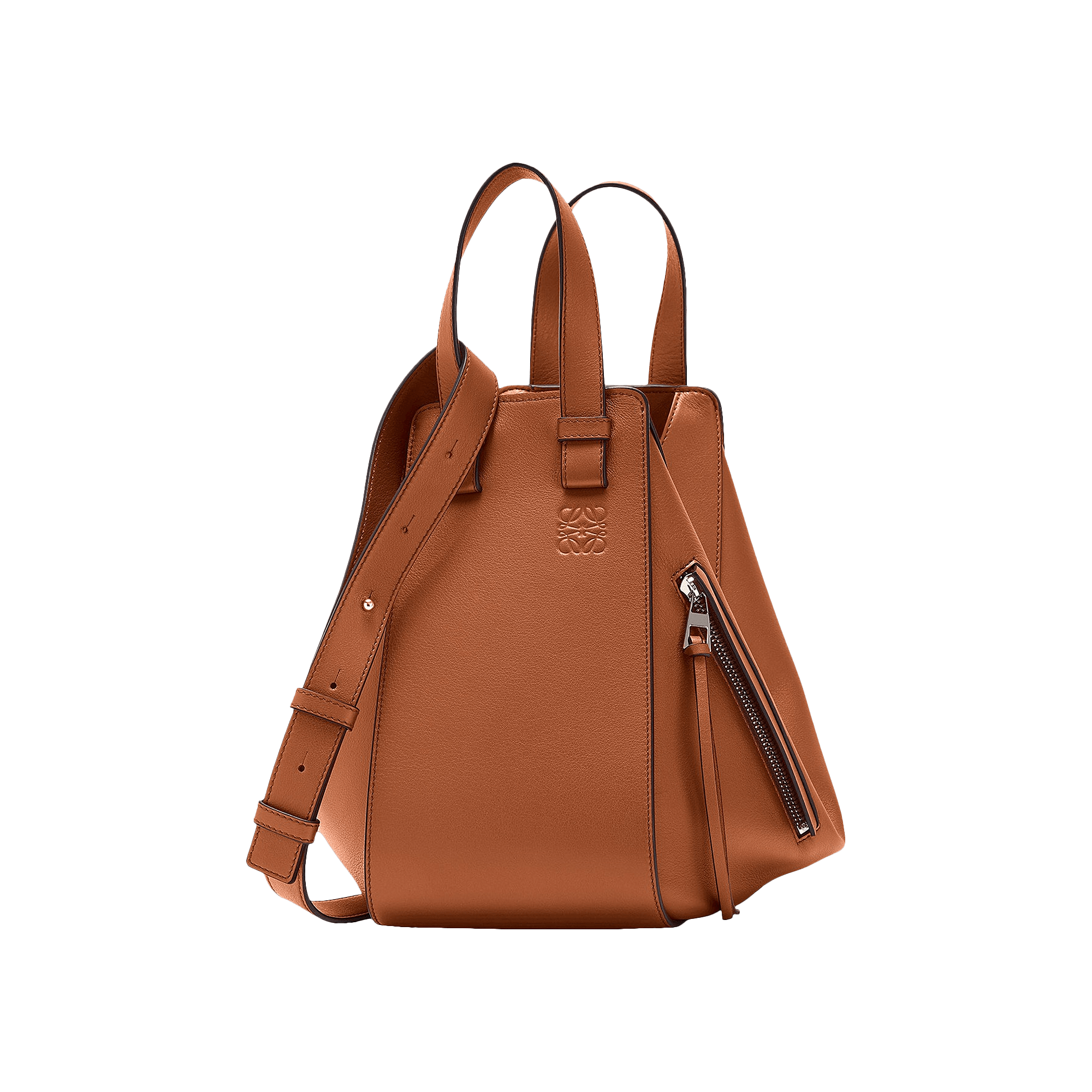
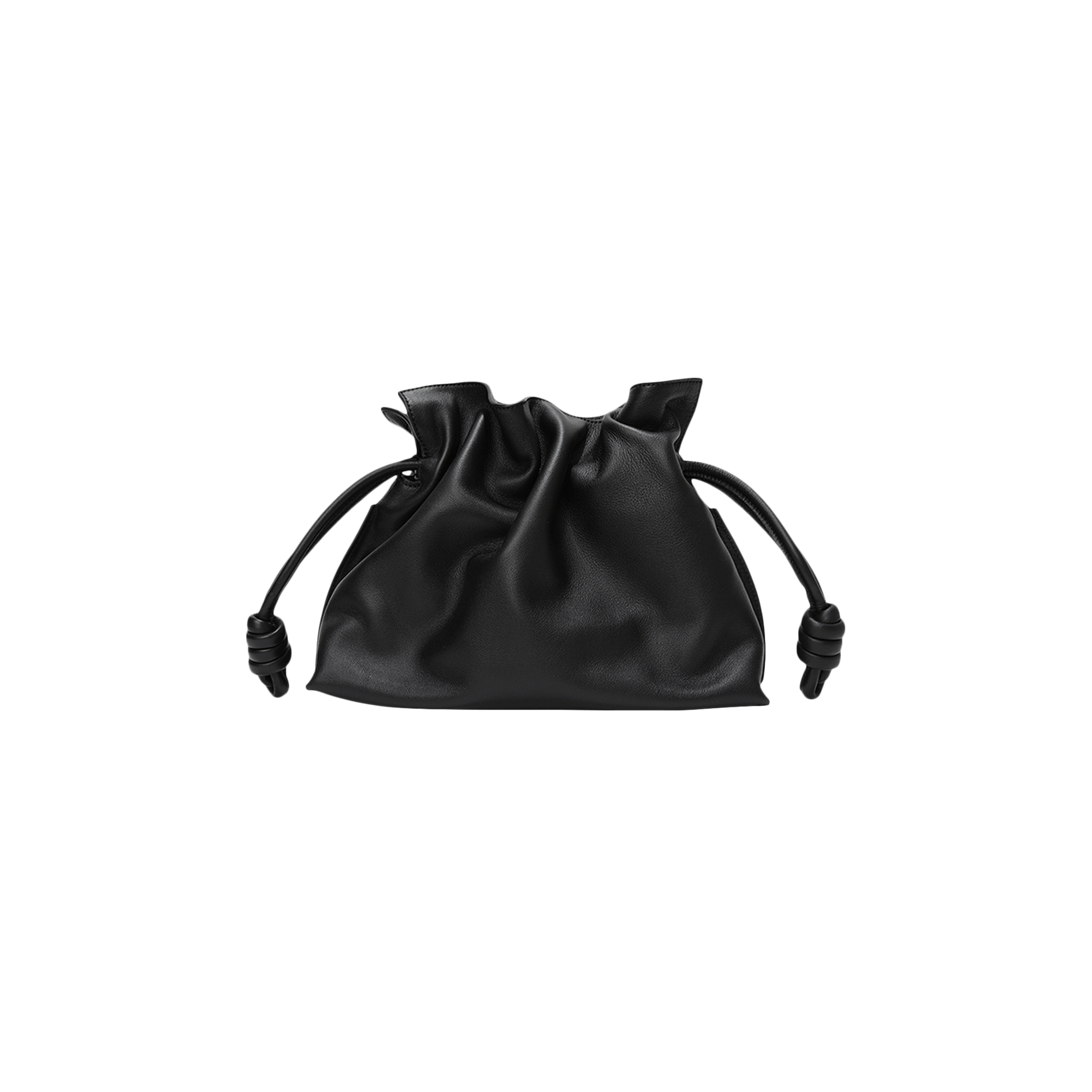
Loewe has seen a dramatic resale surge under Jonathan Anderson. The Puzzle and Hammock bags regularly command 20–40% above retail, with the Squeeze and Flamenco also generating strong demand.

About Loewe
Loewe traces its origins to 1846, when a collective of Spanish leather artisans opened a small workshop on calle Lobo in the heart of Madrid, crafting purses, wallets, cigarette cases, and picture frames. The workshop's reputation for quality made it one of the earliest specialist leather ateliers in Spain, and Loewe is today recognized as the second-oldest luxury fashion house in continuous operation.
Around 1872, Enrique Loewe Roessberg, a German leather merchant who had settled in Madrid, partnered with the workshop's craftsmen, impressed by the skill and materials behind their goods. He eventually took control of the business and gave it his own name -- Loewe, German for "lion" -- setting the house on a path toward the fine, artisanal leatherwork that still defines it.
In 1905, King Alfonso XIII and Queen Victoria Eugenia granted Loewe the honor of official Supplier to the Spanish Royal Court, formalizing its status as the country's foremost leather-goods maker. For much of the following century, Loewe built its name on that reputation, expanding steadily within Spain and into wider European markets while remaining a comparatively quiet, craft-focused house next to its more flamboyant French counterparts.
Loewe joined LVMH in 1996, giving the house access to global distribution and the group's design and manufacturing resources. Several creative directors passed through in the years that followed, but Loewe remained a respected, if relatively sleepy, name in leather goods -- admired for construction quality more than cultural relevance.
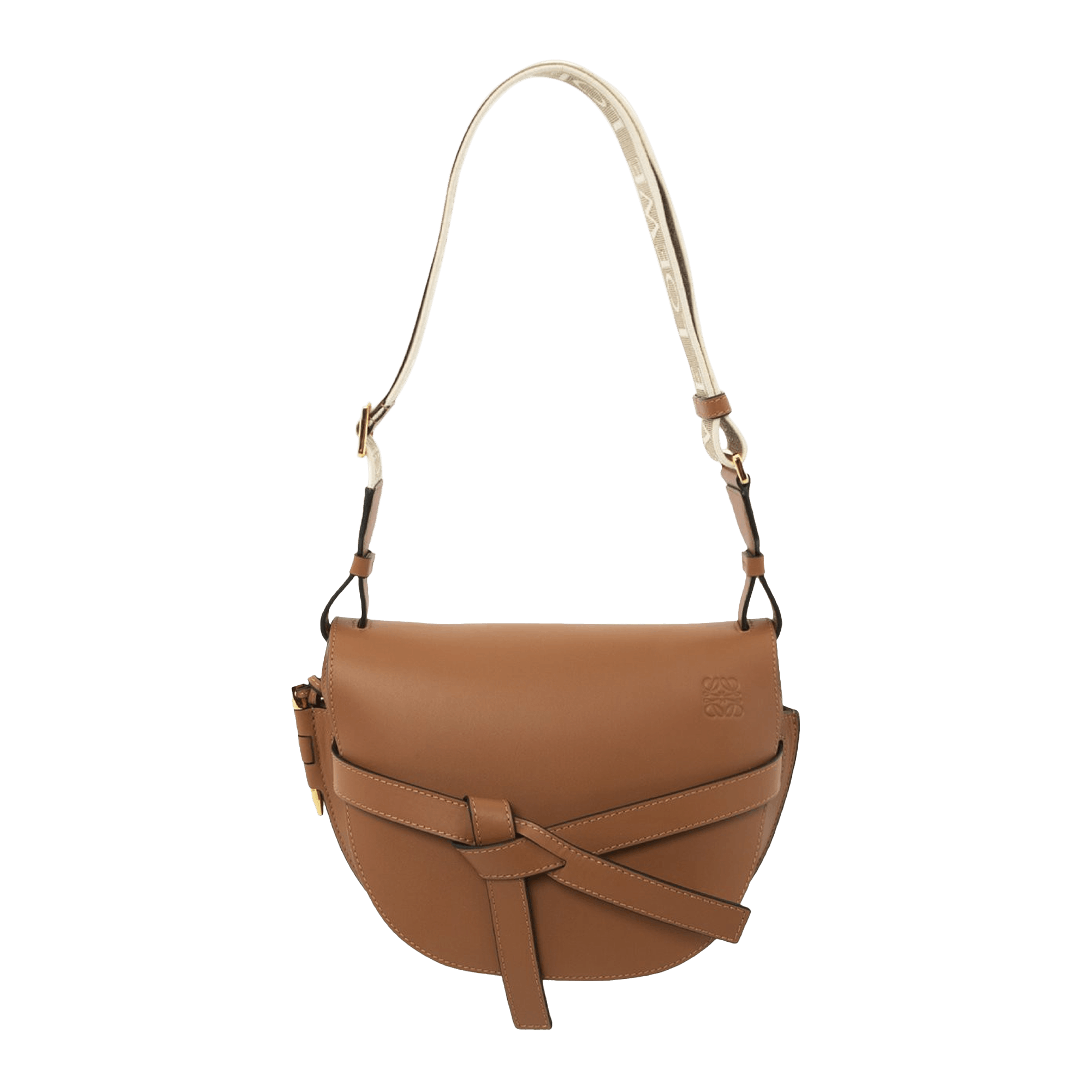
That changed with the appointment of Jonathan Anderson as creative and artistic director in 2013. Anderson paired the house's leather-making heritage with a sculptural, art-driven design sensibility, and the results were immediate. His debut bag design, the Puzzle, launched in 2014 to widespread acclaim, followed by the Hammock in 2016 and the Gate in 2018, while the archival Flamenco was reworked into a modern silhouette in 2015. Anderson also founded the LOEWE Craft Prize in 2016, an annual award celebrating contemporary craftsmanship that reinforced the brand's identity as a house built around artisanal skill rather than pure logo appeal.
Over eleven years, Anderson transformed Loewe from a respected but sleepy Spanish leather house into one of the most culturally relevant fashion brands of its era, driving major growth in both ready-to-wear and leather goods revenue for LVMH. He departed in 2025 to become creative director of both womenswear and menswear at Dior, the first person to hold that dual role since Christian Dior himself. Loewe named Jack McCollough and Lazaro Hernandez, the founders of Proenza Schouler, as co-creative directors to lead the house's next chapter.
Today Loewe stands as one of LVMH's most commercially significant leather houses, with the Puzzle and Hammock ranking among the most sought-after handbags in the global resale market.
Loewe Resale Trends
Loewe resale values transformed dramatically during Jonathan Anderson's decade at the house. The Puzzle and Hammock, in particular, became two of the most liquid handbags in the secondary market, with small and mini sizes in rare or limited colorways routinely trading at or above original retail on platforms like TheRealReal, Fashionphile, and Vestiaire Collective.
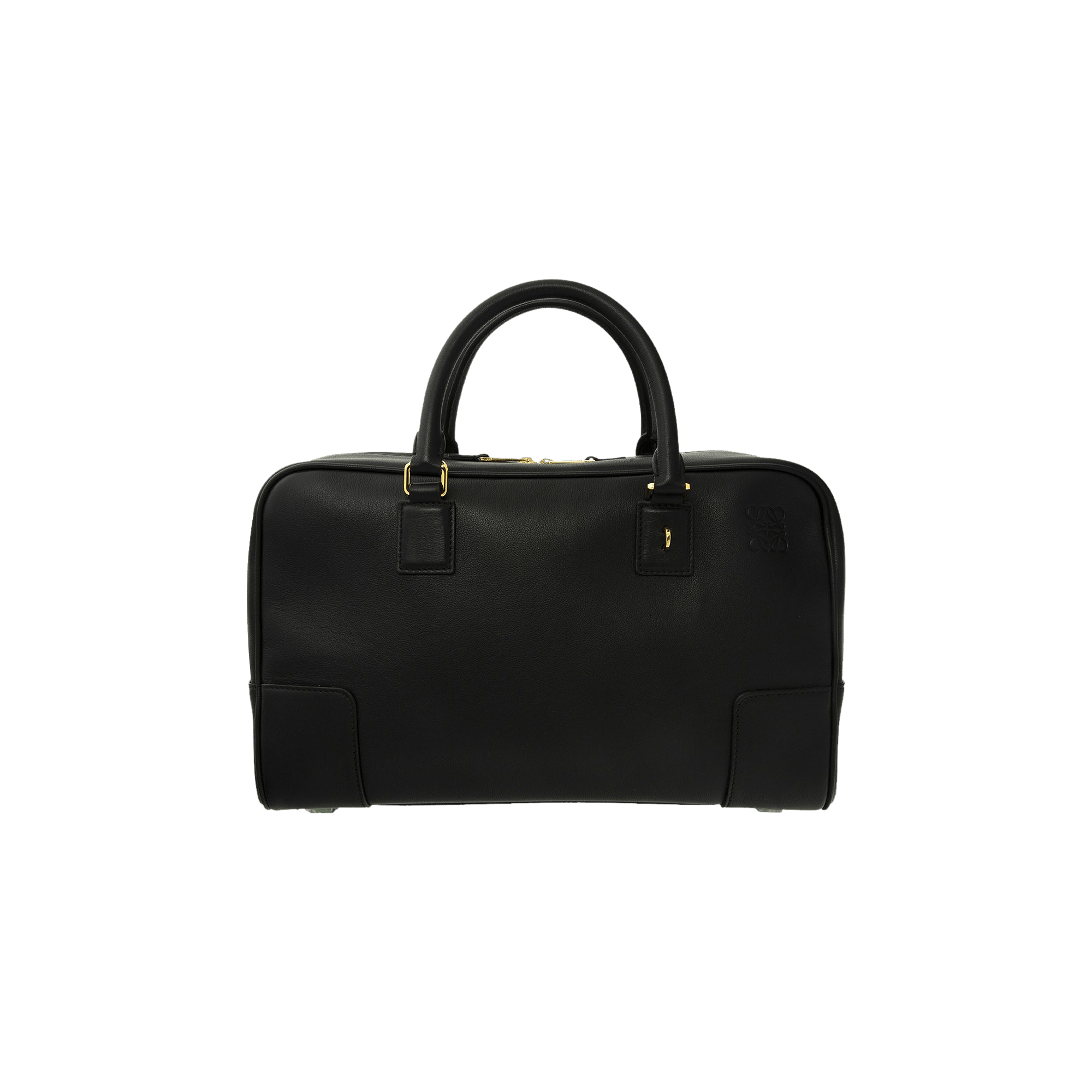
Older or more classic silhouettes tell a different story. The Flamenco, reinterpreted across three creative directors since its 1970s debut, and the Amazona, the house's oldest continuously referenced bag from 1975, see resale prices vary far more by era, condition, and material -- generally settling well below retail rather than commanding a premium.
Since Anderson's 2025 departure for Dior, the secondhand market for Loewe has cooled somewhat from the speculative surge that followed the announcement, with several models settling into more moderate, use-value-driven pricing as buyers wait to see the direction set by incoming co-creative directors Jack McCollough and Lazaro Hernandez.