Longchamp
Longchamp bags are beloved for their practicality and French heritage. The standard Le Pliage typically retains 30–50% of retail, while limited Jeremy Scott collaborations can hold or exceed original retail value.

About Longchamp
Longchamp was founded on February 1, 1948, by Jean Cassegrain in Paris, initially as a maker of fine leather-covered smoking accessories rather than handbags, its first products included leather-wrapped pipe cases and cigarette boxes, sold from a shop on the boulevard Poissonnière in the city's second arrondissement. Cassegrain presented his first collection at the Paris Fair on May 1, 1948, using crocodile and lizard skins worked by some of the city's best craftspeople, and built the young company's reputation on the principles of creation, quality, work, and service. He named the house after the Longchamp Racecourse, the storied Parisian track, after learning that distant relatives already used the family name Cassegrain for a stationery business.
The company remained a family business through succeeding generations, expanding gradually from smoking accessories into a broader range of leather goods. Women's handbags did not arrive until 1971, relatively late in the brand's history, but they quickly became central to its identity. Longchamp has stayed independently owned by the Cassegrain family for its entire history, a rarity among major leather goods houses that have mostly been absorbed into large luxury conglomerates.
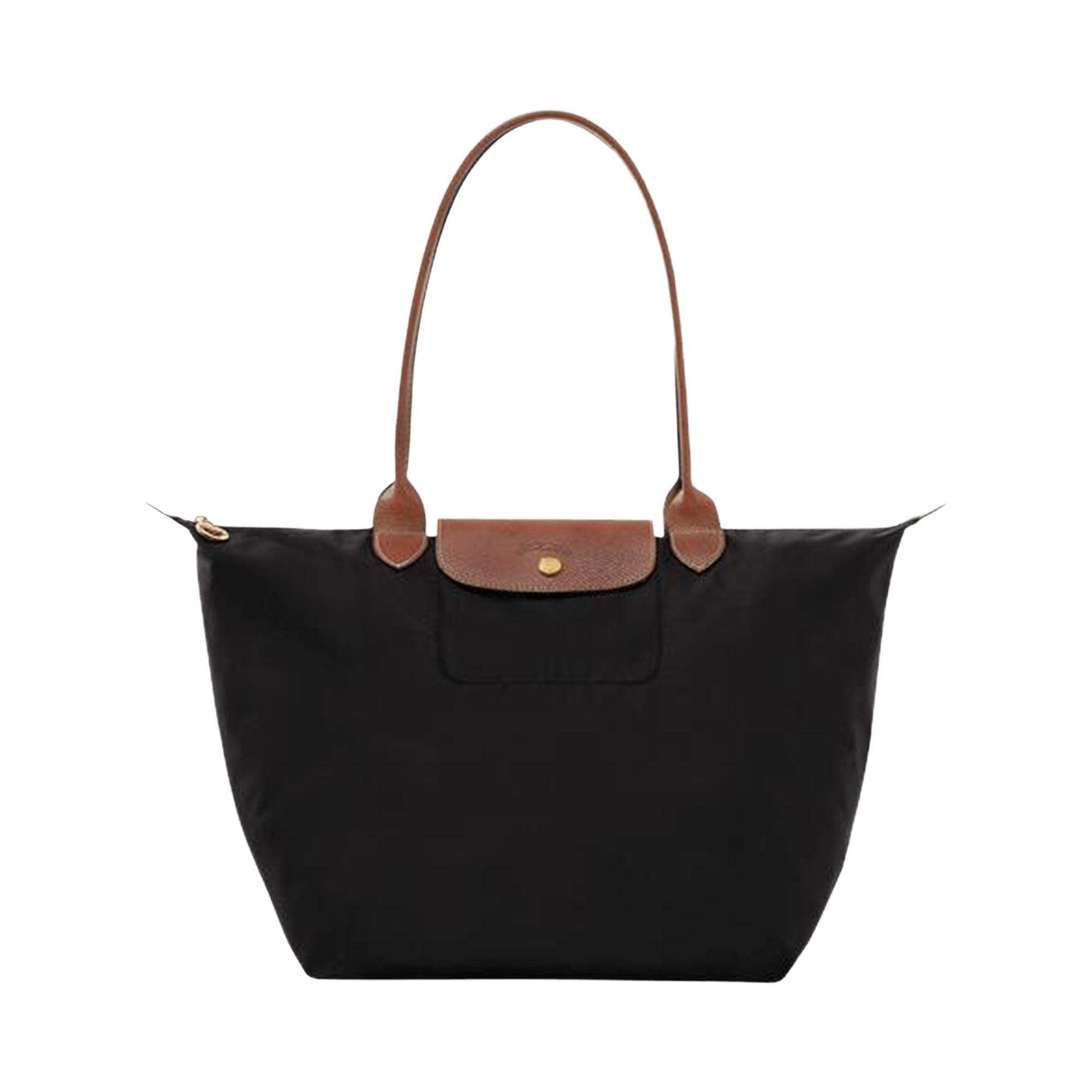
The single most important product in Longchamp's history arrived in 1993: the Le Pliage, designed by Philippe Cassegrain. A lightweight nylon tote with leather trim that folds flat for packing, Le Pliage combined French leather-goods styling with everyday practicality in a way no competitor had matched. It became one of the best-selling handbags in the world, with more than 30 million units sold since launch, and made Longchamp a household name far beyond the fashion-conscious clientele of traditional French leather houses. Its ubiquity among travelers and its adoption by figures from Kate Moss to Catherine, Princess of Wales, cemented Le Pliage as a genuine multi-generational classic rather than a passing trend.
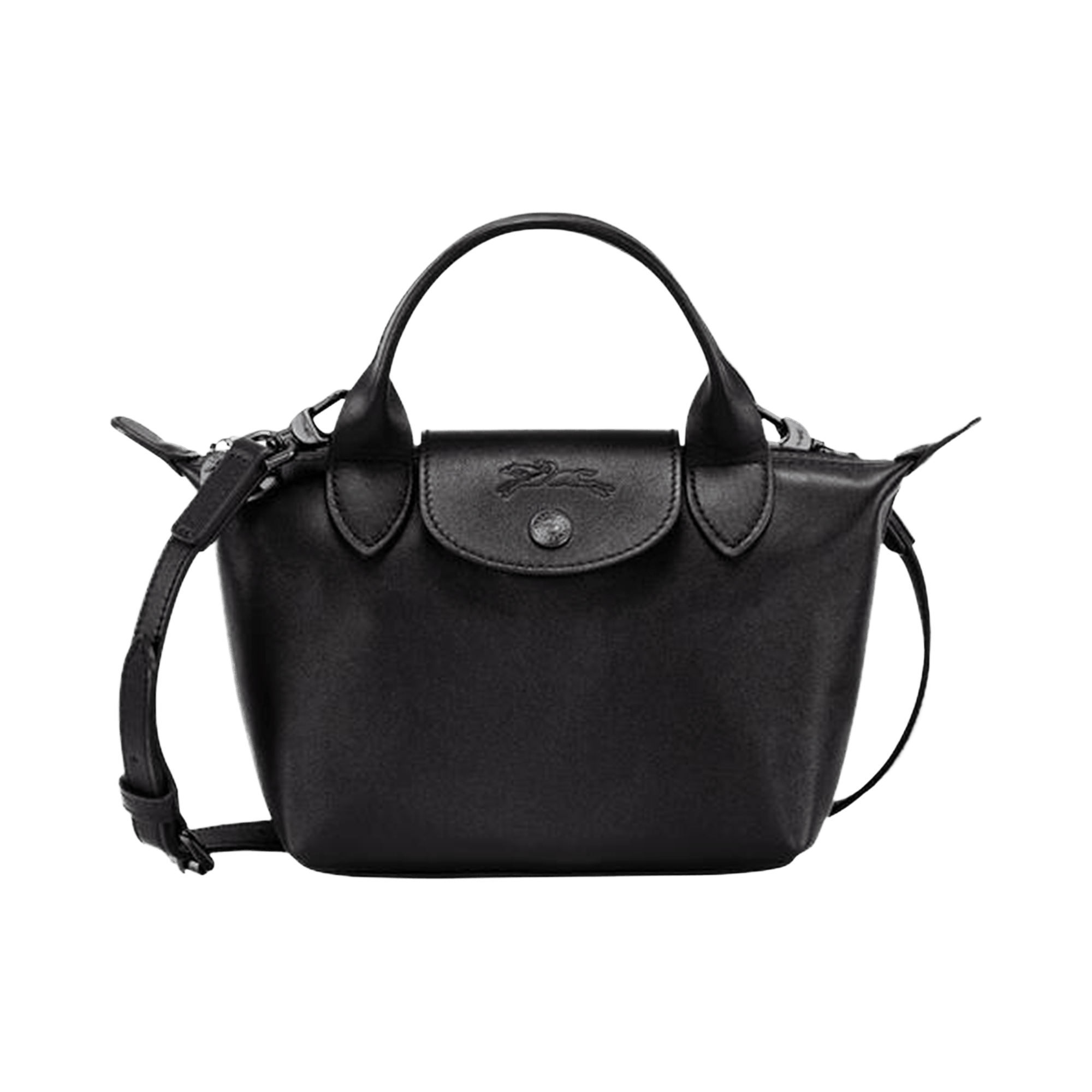
Longchamp has since extended the Le Pliage architecture into leather (Le Pliage Cuir), oversized (Le Pliage Xtra), and novelty formats, and has run one of fashion's longest-running designer collaborations with Jeremy Scott, spanning more than twenty years and over two dozen limited graphic editions. Now led by Jean Cassegrain's grandson, also named Jean Cassegrain, the company remains headquartered in Paris and continues to position itself around practicality, French craftsmanship, and accessible pricing relative to the luxury majors.
Longchamp Resale Trends
Longchamp's resale market reflects the brand's core identity: practical, widely available, and priced well below true luxury leather goods, which naturally caps how much value its bags retain secondhand. The standard nylon Le Pliage is manufactured continuously and stocked in nearly every colorway at any given time, so resale buyers can almost always find the same bag new, this puts a firm ceiling on what a used one commands. Across resale platforms including The RealReal, Fashionphile, Vestiaire Collective, and eBay sold listings, the nylon Le Pliage typically retains roughly 30–50% of its retail price in good to excellent condition.
Leather variants such as the Le Pliage Cuir and the upsized Le Pliage Xtra command higher resale prices in absolute dollar terms, in line with their higher retail price, though they follow a similar percentage-retention pattern to the nylon original. The clearest exception to Longchamp's modest resale ceiling is its collaboration output, the two-decade Jeremy Scott partnership, in particular, has produced individual prints that trade at or above original retail as collectible, discontinued designs, since unlike the standard Le Pliage they are not something a buyer can simply order again.
Overall, Longchamp is best understood as a reliable, liquid entry point into designer handbags rather than an appreciating asset: bags sell quickly on the secondary market given consistent demand, but buyers should expect steady, modest returns on the core collection and reserve any expectation of a resale premium for limited or discontinued collaborative editions.