Givenchy
Givenchy bags offer solid resale value with the Antigona and Pandora as the most liquid styles. Riccardo Tisci-era pieces have a dedicated collector base.

About Givenchy
Hubert de Givenchy founded his house in Paris in 1952, opening in the Plaine Monceau at just 25 years old, making him one of the youngest couturiers of his era. He built his early business on tailored separates rather than elaborate gowns, a departure from the ornate silhouettes then in fashion that let him keep overhead low and prices comparatively accessible. His debut collection, built around pieces like the "Bettina blouse" named for the era's top model, was an immediate success and established him as a serious new voice in Paris.
In 1953, Givenchy met Audrey Hepburn on the set of Sabrina and loaned her pieces from his spring collection as a favor to promote his young house. The partnership that followed defined both of their careers: Givenchy dressed Hepburn on screen and off for the rest of her life, including the black dress she wore in Breakfast at Tiffany's in 1961, one of the most referenced garments in fashion history. He also dressed Jacqueline Kennedy and much of European high society, cementing Givenchy's identity as a house of restrained, aristocratic elegance rather than spectacle.
Givenchy sold his house to LVMH in 1988 and remained creative director until his retirement in 1995. John Galliano briefly succeeded him before moving to Dior, and Alexander McQueen led the house from 1996 to 2001, pulling Givenchy toward a sharper, more provocative point of view and its first real engagement with directional fashion. Julien Macdonald followed from 2001 to 2005 with a more overtly glamorous, red-carpet-driven aesthetic.
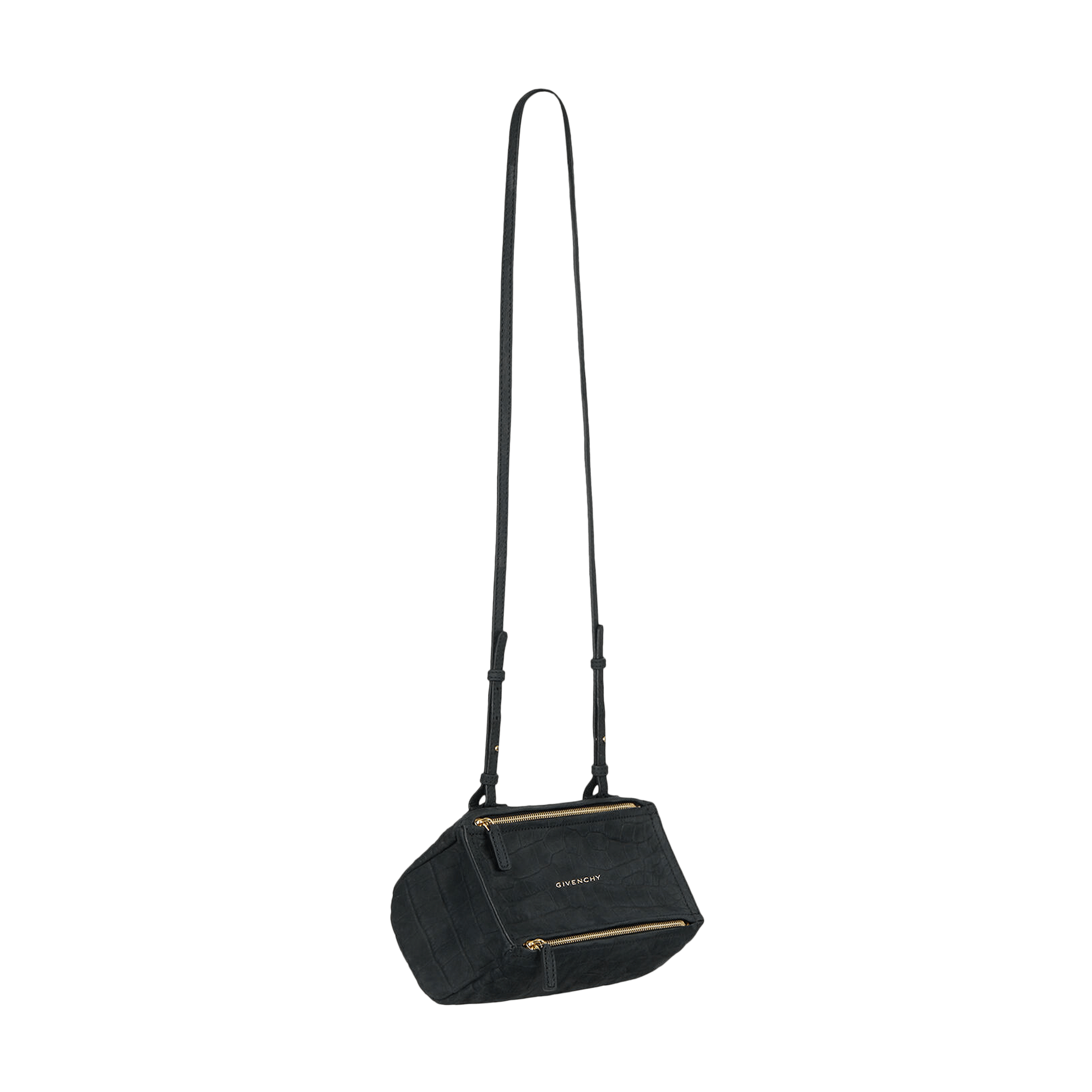
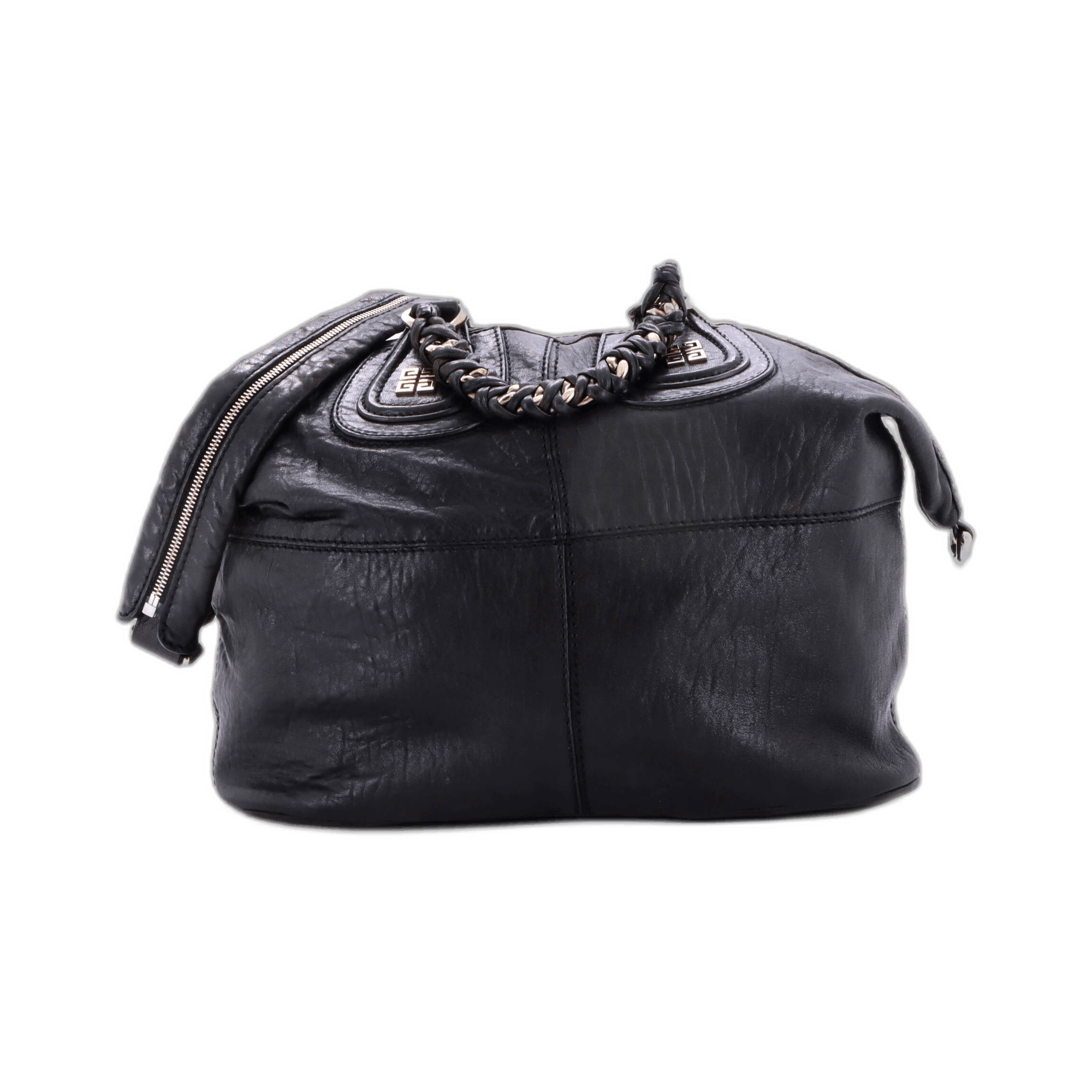
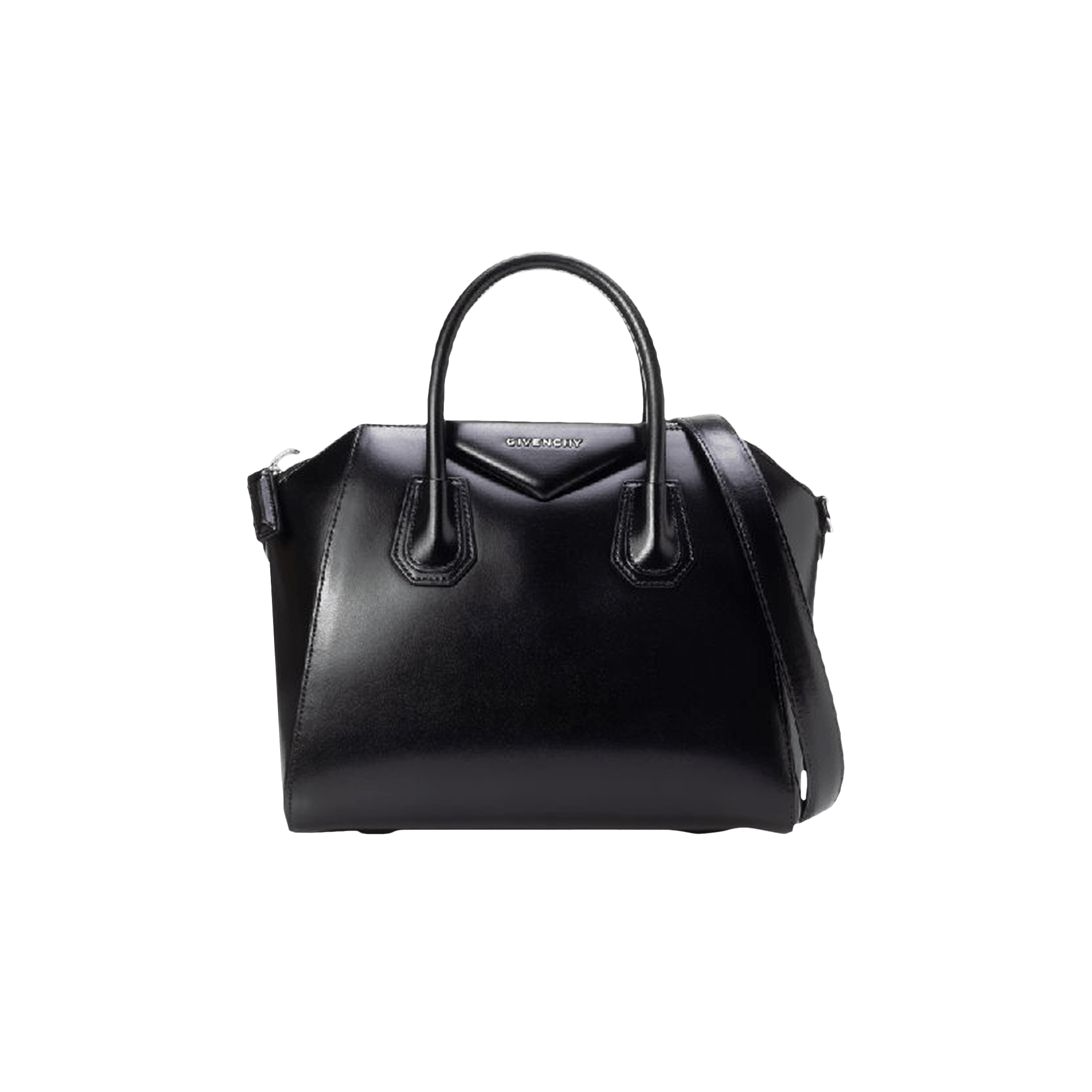
The defining era for Givenchy's handbag business began in 2005 with the appointment of Riccardo Tisci as creative director. Over twelve years, Tisci fused a gothic, streetwear-inflected sensibility with the house's couture foundation and turned Givenchy into a genuine commercial handbag brand. The Nightingale, introduced in 2006, was his first bag to reach it-bag status, but it was the Pandora, launched in 2009, and the Antigona, launched in 2011, that became the house's defining commercial engines, worn everywhere from red carpets to street-style blogs and adopted by a generation of prominent women including Kim Kardashian and Beyoncé. Tisci's tenure is still treated by resale buyers and collectors as Givenchy's modern high-water mark.
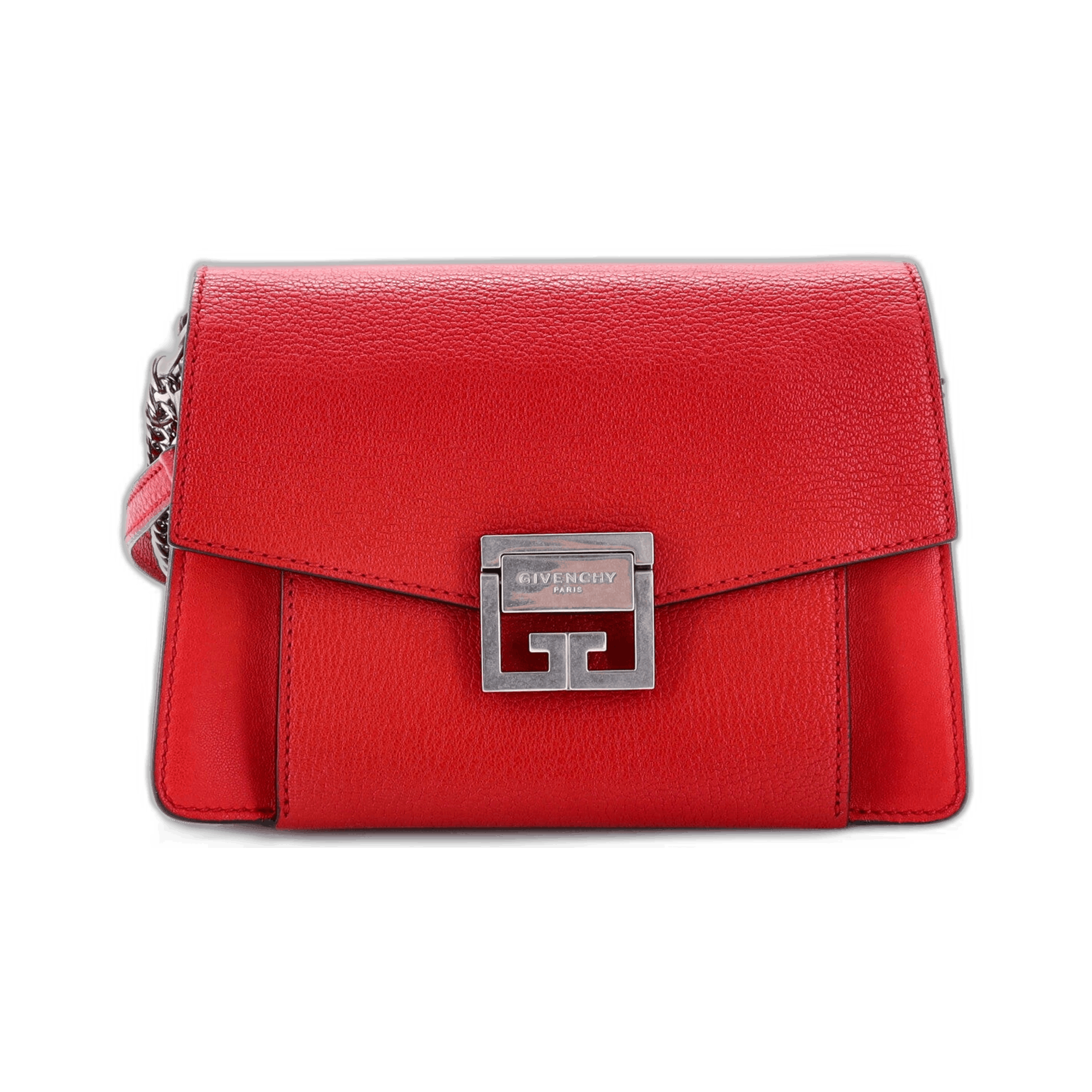
Clare Waight Keller became the house's first female creative director in 2017, best known outside handbags for designing Meghan Markle's wedding dress in 2018. Matthew M. Williams took over in 2020, pushing the brand toward a harder, hardware-driven, streetwear-adjacent aesthetic reflected in newer lines like the GV3. In 2024, Givenchy named Sarah Burton, previously the longtime head of Alexander McQueen, as its creative director, tasking her with reasserting the house's couture credentials while sustaining its handbag business.
Today Givenchy remains one of LVMH's core fashion houses, with a smaller, more curated handbag lineup than peers like Louis Vuitton or Chanel. Resale value is concentrated heavily in the Tisci-era archive, alongside a newer generation of hardware-forward pieces aimed at a younger customer.
Givenchy Resale Trends
Givenchy bags generally retain a moderate share of their retail value, with the Antigona and Pandora acting as the brand's most liquid and dependable styles. Both are structured, boxy leather bags with recognizable silhouettes and minimal branding, and both typically resell in the 35–55% of MSRP range depending on condition, size, and colorway, with black leather versions in the most common sizes moving fastest.
Riccardo Tisci-era pieces, the Antigona, Pandora, and the now-discontinued Nightingale, carry a collector premium relative to bags from later creative directors, since they represent the period most closely tied to Givenchy's rise as a genuine handbag brand. Rare colorways, studded editions, and early production runs of these models can outperform typical resale benchmarks, while heavily worn or generically colored pieces trade at the lower end of the range.
Newer, more overtly logo-forward pieces built around the GV3 silhouette and 4G hardware tend to resell at somewhat lower percentages of MSRP than the Tisci-era archive, reflecting both a shorter track record and a resale market that still rewards Givenchy's most historically significant designs over its current logo-driven output.