BAPE
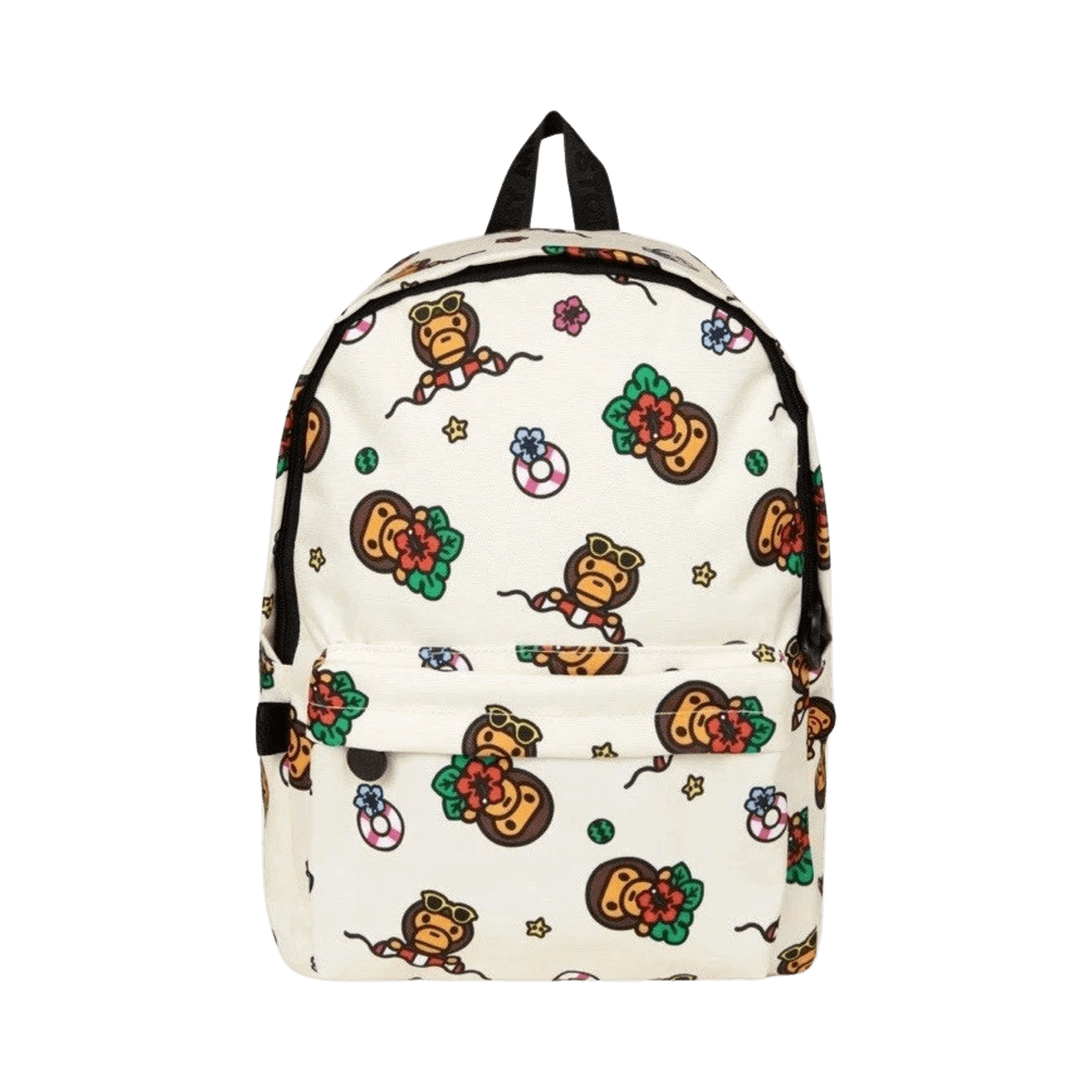
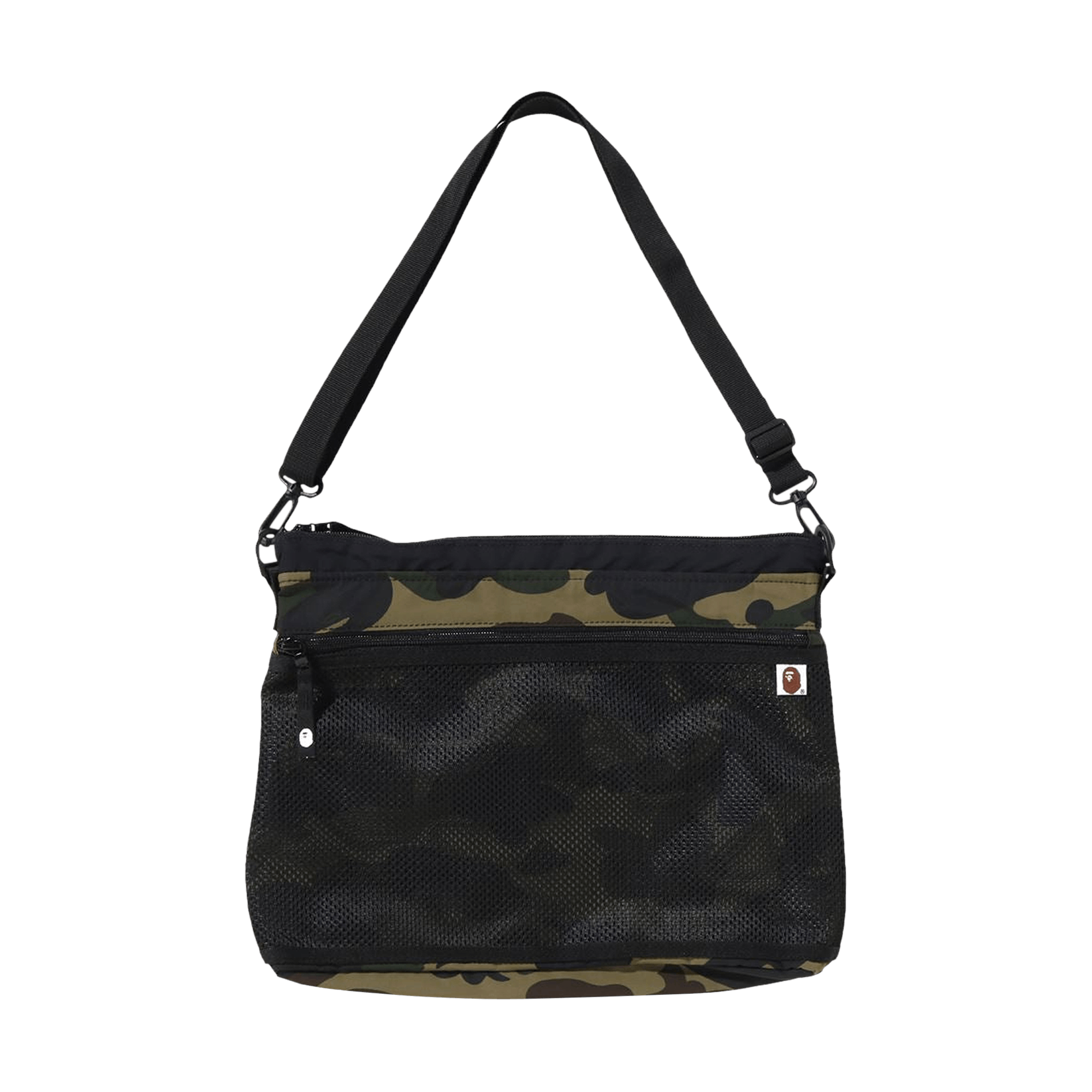
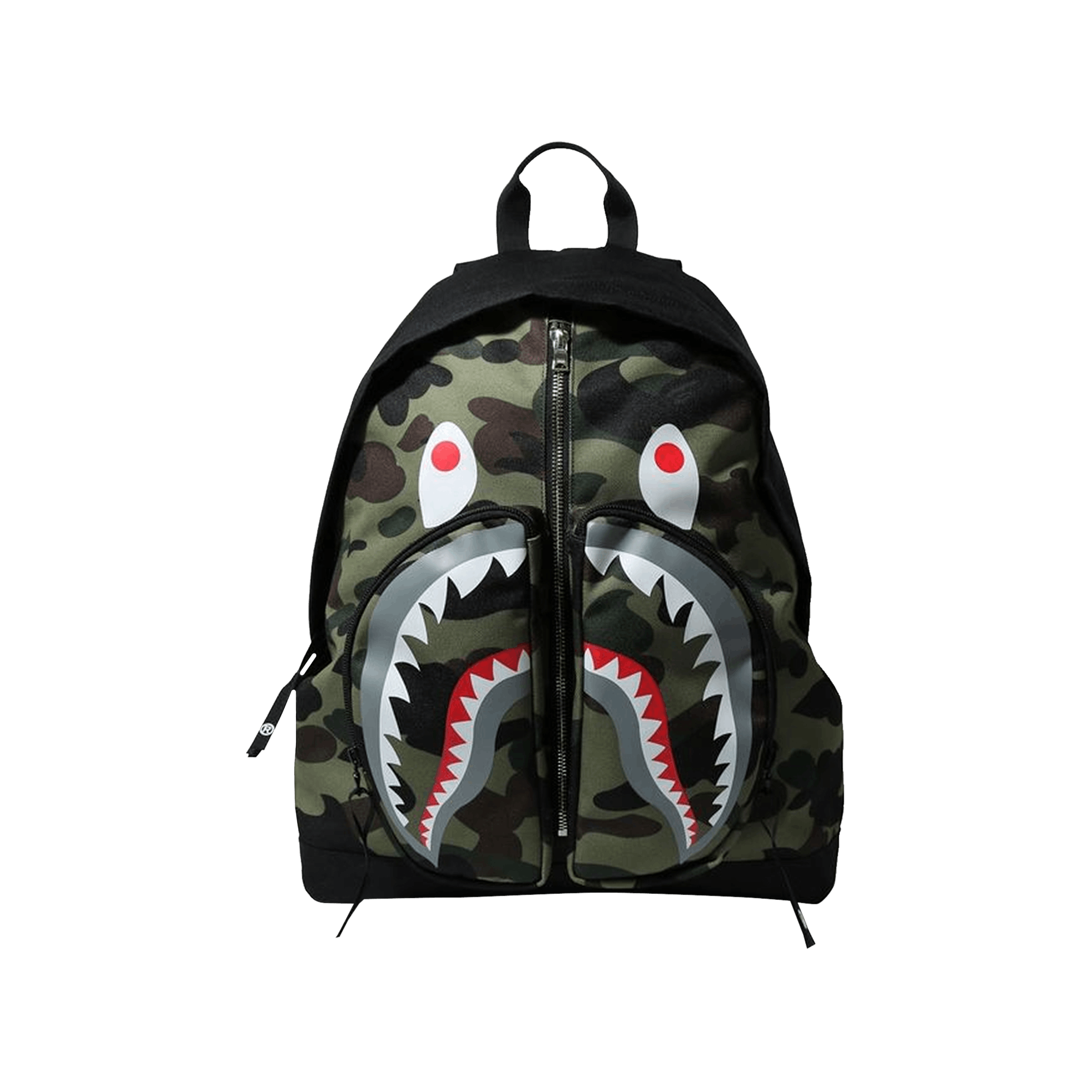
BAPE bags are streetwear staples with strong collab-driven resale. Shark backpacks in the original 1st Camo colorway and luxury crossovers like MCM x BAPE are among the most valuable pieces on the secondary market.


About BAPE
A Bathing Ape, universally known as BAPE, was founded in 1993 by Tomoaki Nagao, better known by his professional name Nigo, in the Ura-Harajuku district of Tokyo. The brand's name draws on two sources: an all-night viewing marathon of the 1968 film Planet of the Apes, and a Japanese idiom describing someone who overindulges in comfort, "a bathing ape in lukewarm water." The combination captured the brand's blend of pop-culture reference and self-aware decadence from the outset.
Before BAPE had its own storefront, Nigo partnered with fellow designer Jun Takahashi of Undercover to open NOWHERE, a small shop in Ura-Harajuku that sold both of their emerging labels side by side. Working out of that storefront, Nigo built BAPE around a handful of instantly recognizable motifs: the ape-head Swoosh-style logo, a proprietary camouflage print, and later the Shark Hoodie, whose full-face zip-up hood became one of the most imitated silhouettes in streetwear. Deliberately limited production runs and Tokyo-only availability turned BAPE into an early template for hype-driven fashion, years before the term became common, customers would queue for hours or fly to Japan specifically to buy pieces unavailable anywhere else.
Through the 2000s, BAPE expanded internationally, opening stores in New York, London, and Hong Kong, and built a reputation through collaborations with brands and artists as varied as Marvel, Coca-Cola, Pharrell Williams, and, notably, Louis Vuitton. The Baby Milo mascot line broadened the brand's appeal beyond its harder streetwear image. However, rapid expansion and mounting debt led Nigo to sell a 90% stake in the company to Hong Kong fashion retail conglomerate I.T Group in 2011 for a reported $2.8 million, a fraction of what the brand had once been worth. Nigo formally departed the company in 2013 to focus on other projects, including his later collaboration with Kenzo and his own label, Human Made.
Under I.T Group's ownership, BAPE has continued operating globally, leaning heavily on its camo, Shark, and Baby Milo signatures while adding new collaborations across fashion and sneakers. Bags have remained a steady part of that catalog, camo backpacks, waist bags, and Shark-branded pieces, sold as core seasonal products rather than the ultra-limited drops that defined BAPE's earliest years, though special collaborative editions still generate the scarcity-driven demand the brand was built on.
BAPE Resale Trends
BAPE's bag resale market runs on the same collectible-streetwear logic as its apparel: core camo and Shark-branded pieces sell steadily above retail, while true limited collaborations command significant premiums. On StockX, standard seasonal Shark Day Packs and camo backpacks have shown price premiums well over 100% versus their original retail tags, a $160 retail backpack reselling in the $900+ range is not unusual for a desirable colorway shortly after release, though prices soften as a given season's stock becomes more available.
The clearest outperformers are formal collaborations. Partnerships pairing BAPE's camo and Shark motifs with established luxury or heritage names, such as the MCM x BAPE Shark line, have sold for multiples of their original retail price, driven by limited production runs and cross-brand collector demand rather than everyday utility.
Because BAPE bags are seasonal, camo-pattern releases in particular carry meaningful pattern-cycle risk: certain camo colorways (the original 1st Camo green, for instance) are more consistently sought after than newer or brighter seasonal variants, so buyers researching resale value should weigh both the specific collaboration and the specific camo generation, not just the model name.