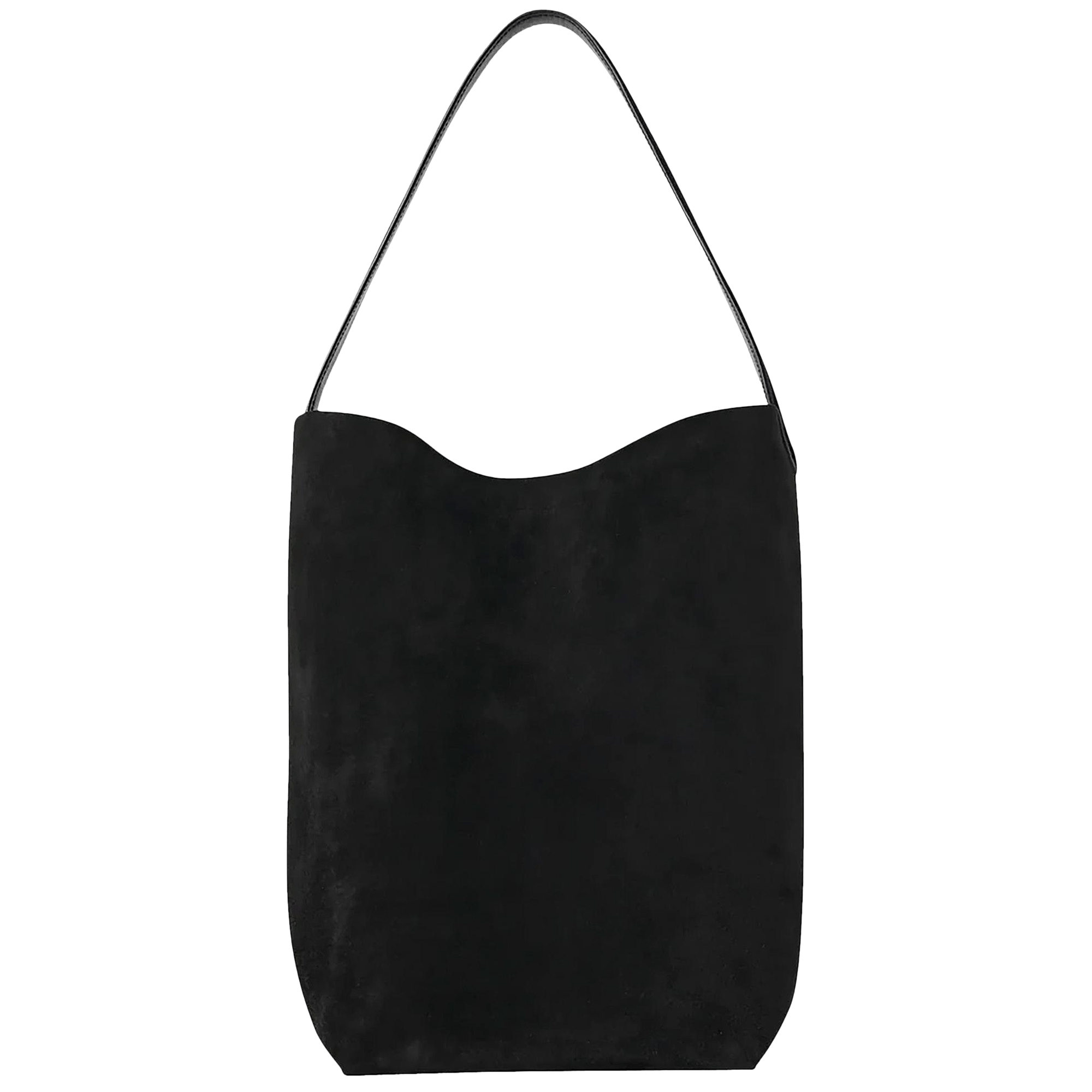
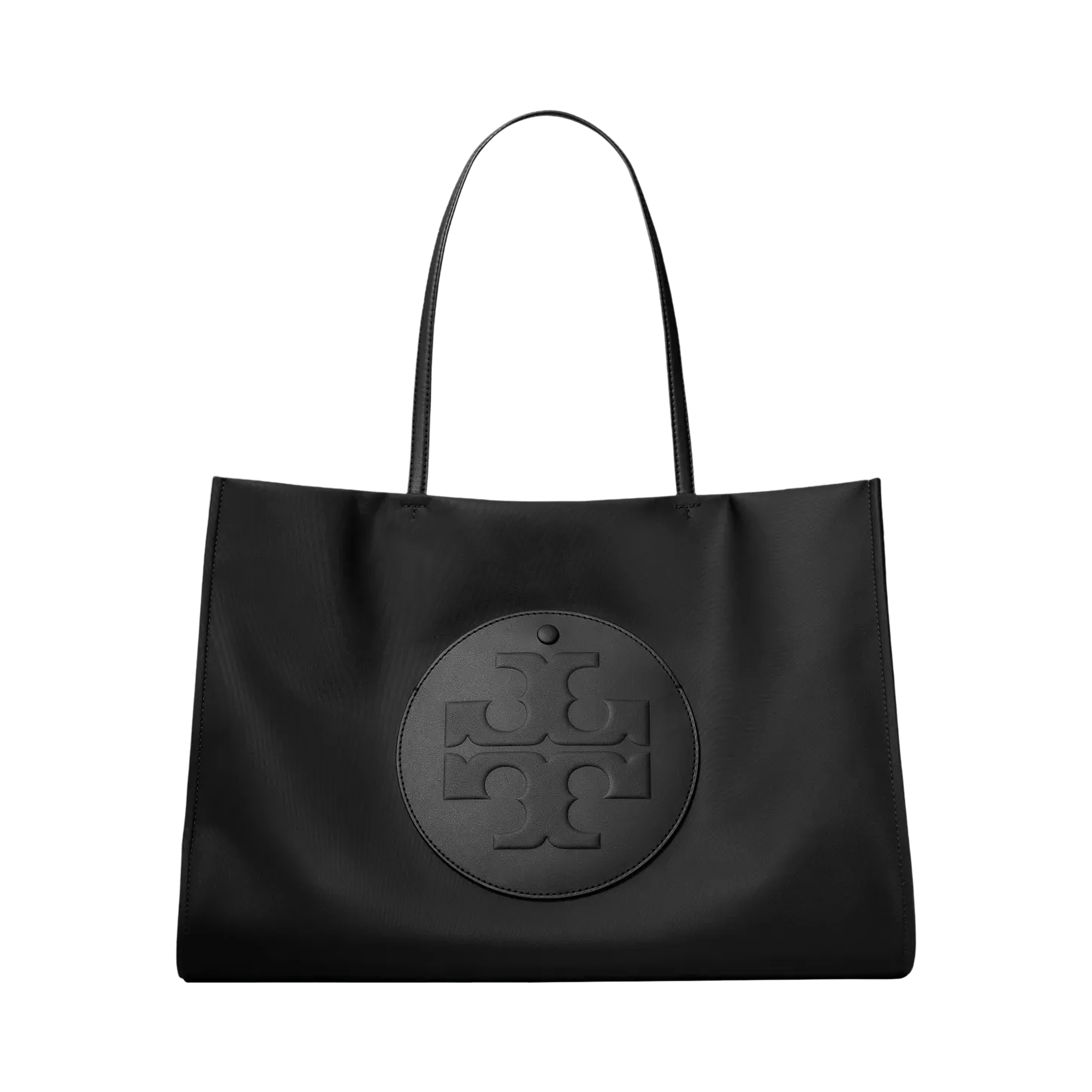
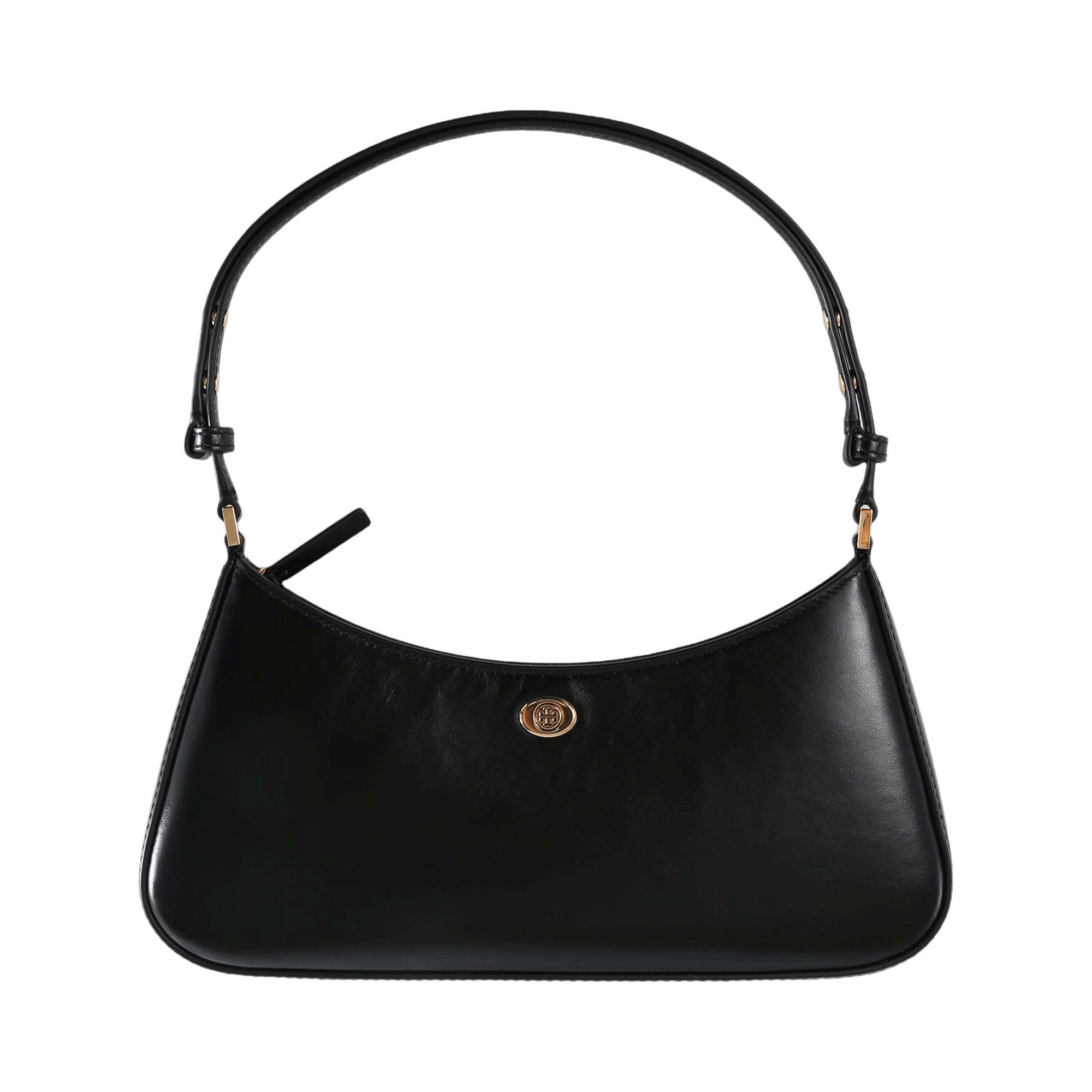
A tote is defined by an open or minimally closed top, dual parallel handles long enough to carry over the shoulder or in-hand, and a boxy or slouchy body built to prioritize interior volume over struc
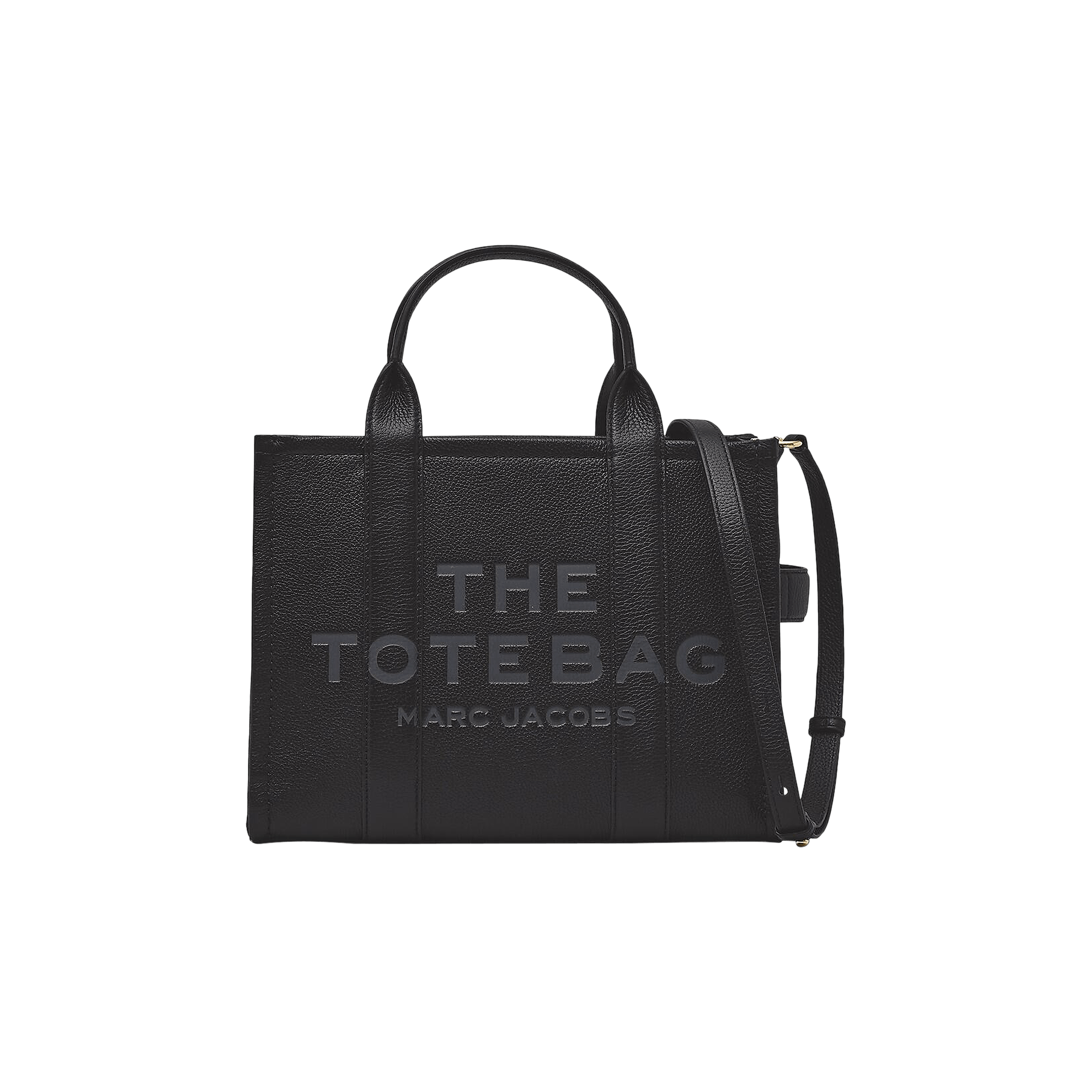
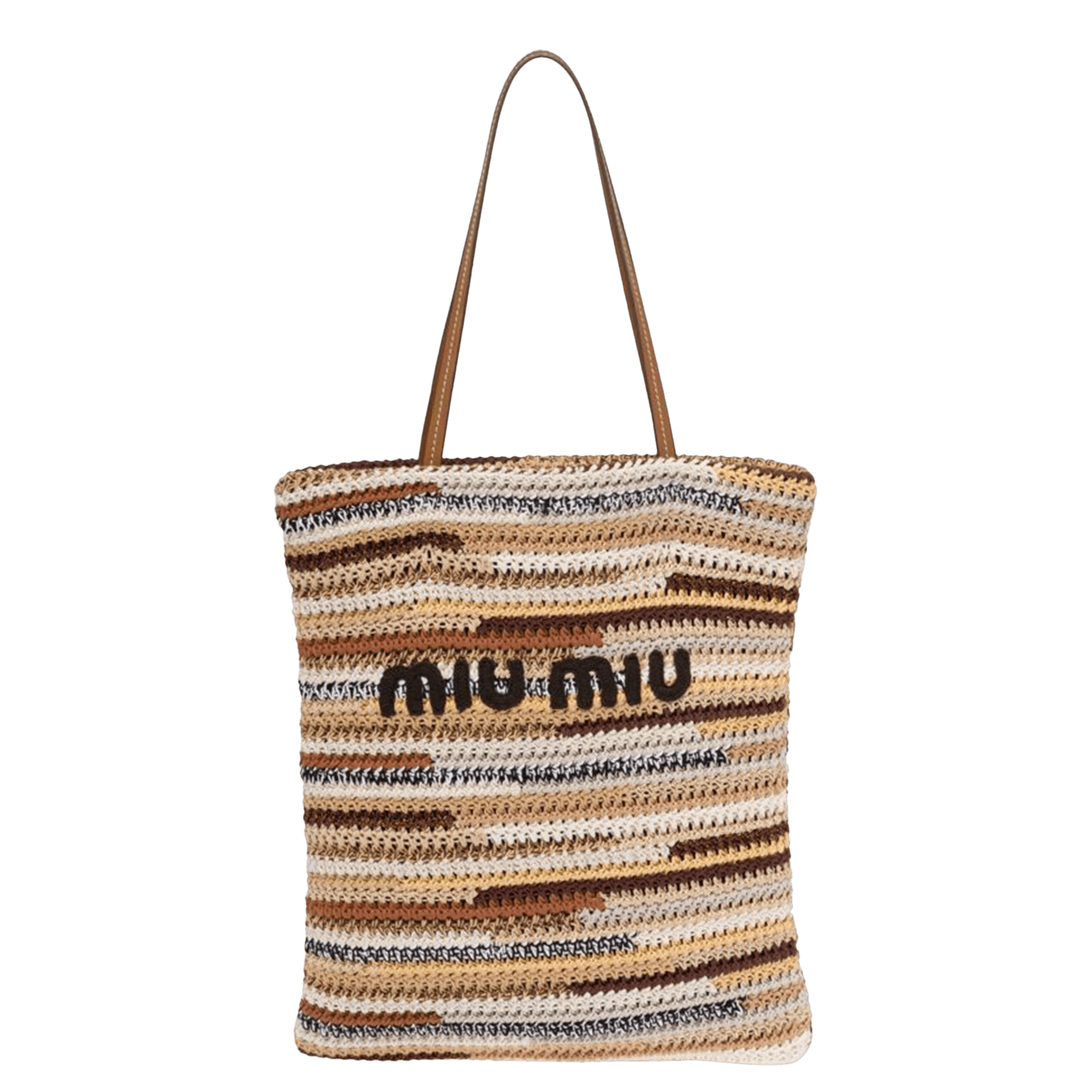
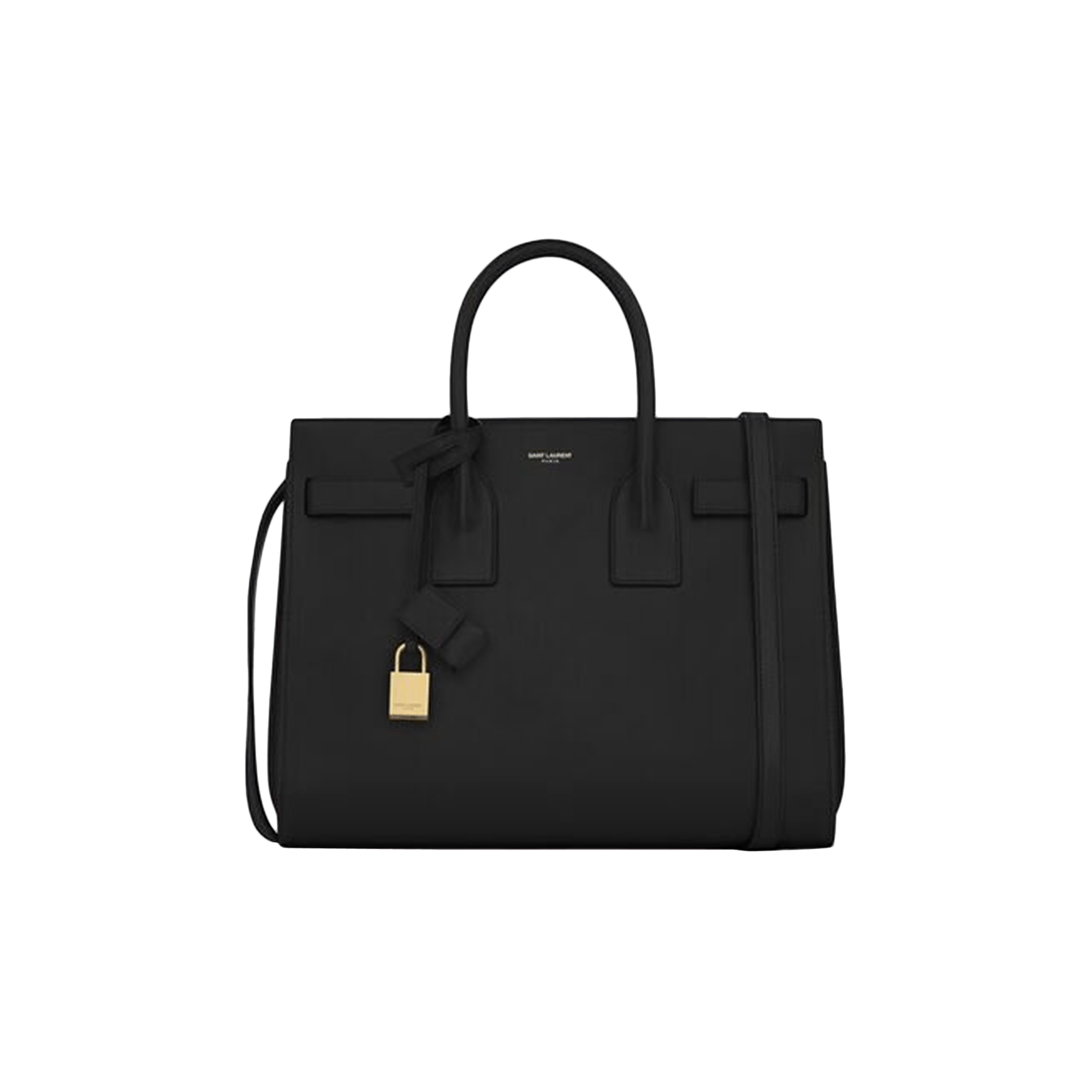
A tote is defined by an open or minimally closed top, dual parallel handles long enough to carry over the shoulder or in-hand, and a boxy or slouchy body built to prioritize interior volume over structure. It's the workhorse shape of the bag world: designed to be filled, with a laptop, groceries, a change of shoes, a week's worth of errands, rather than to make a small, precise style statement. Because capacity and everyday utility are the entire point, totes range from a $40 packable nylon carryall to a $50,000+ hand-woven leather piece, with the underlying shape staying constant across that whole price spectrum.
That utility-first identity also shapes how totes trade on resale. Buyers generally aren't paying for scarcity or a single dramatic silhouette detail the way they might with a top-handle or shoulder bag; they're paying for material quality, hardware durability, and how well the bag has held up to actual daily use. A tote's resale value is less about hype and more about whether it still looks and functions like a $2,000 bag after five years of being a $2,000 bag.


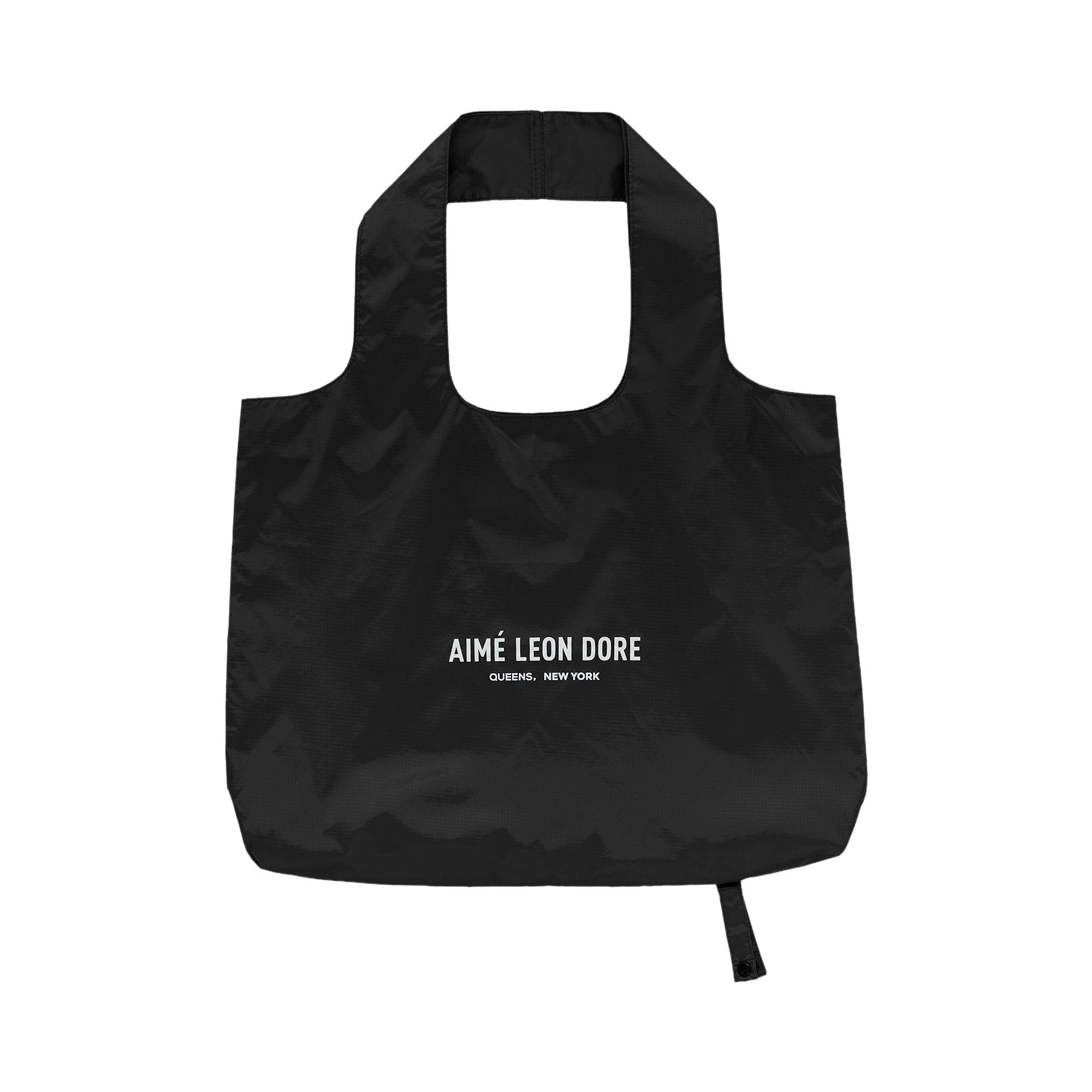
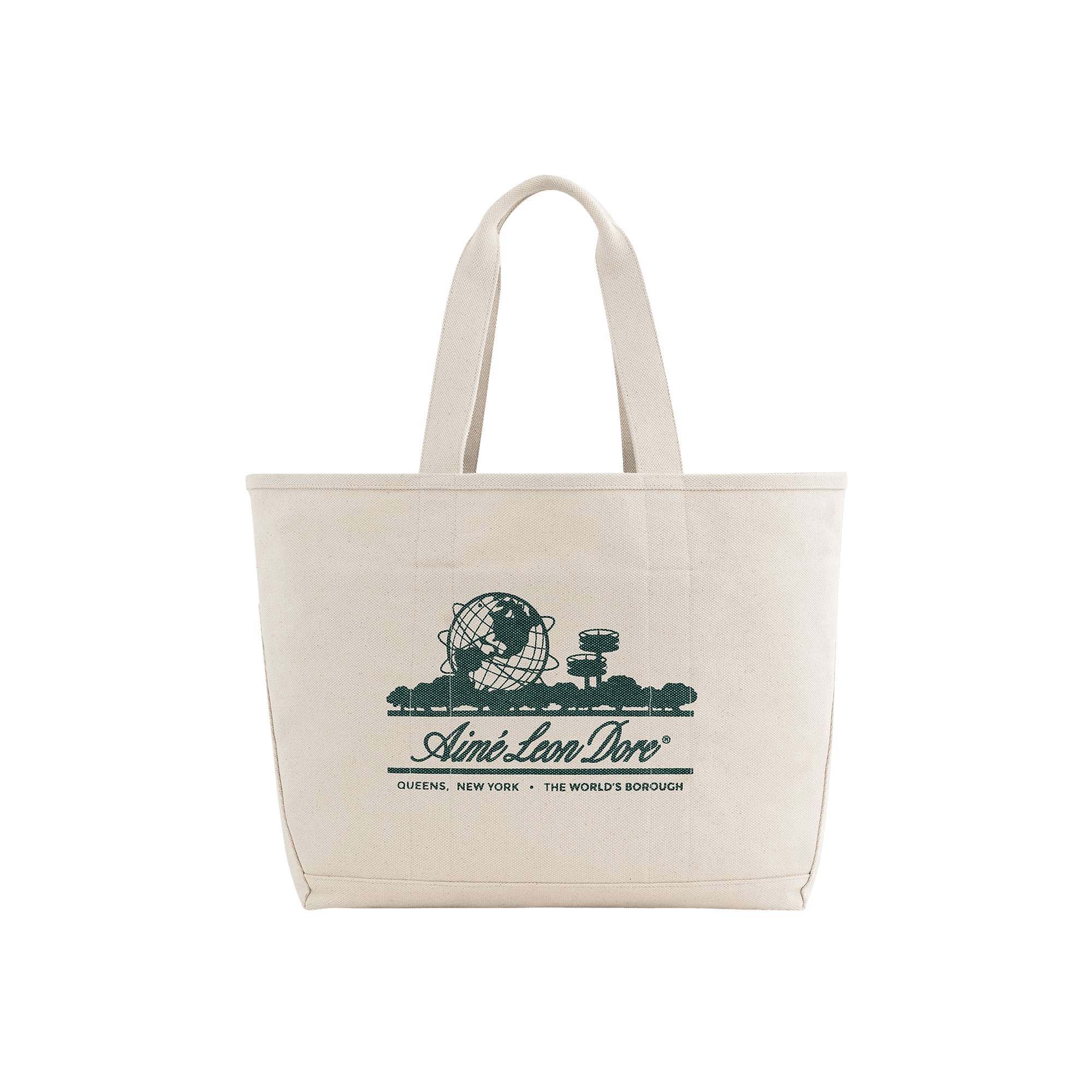
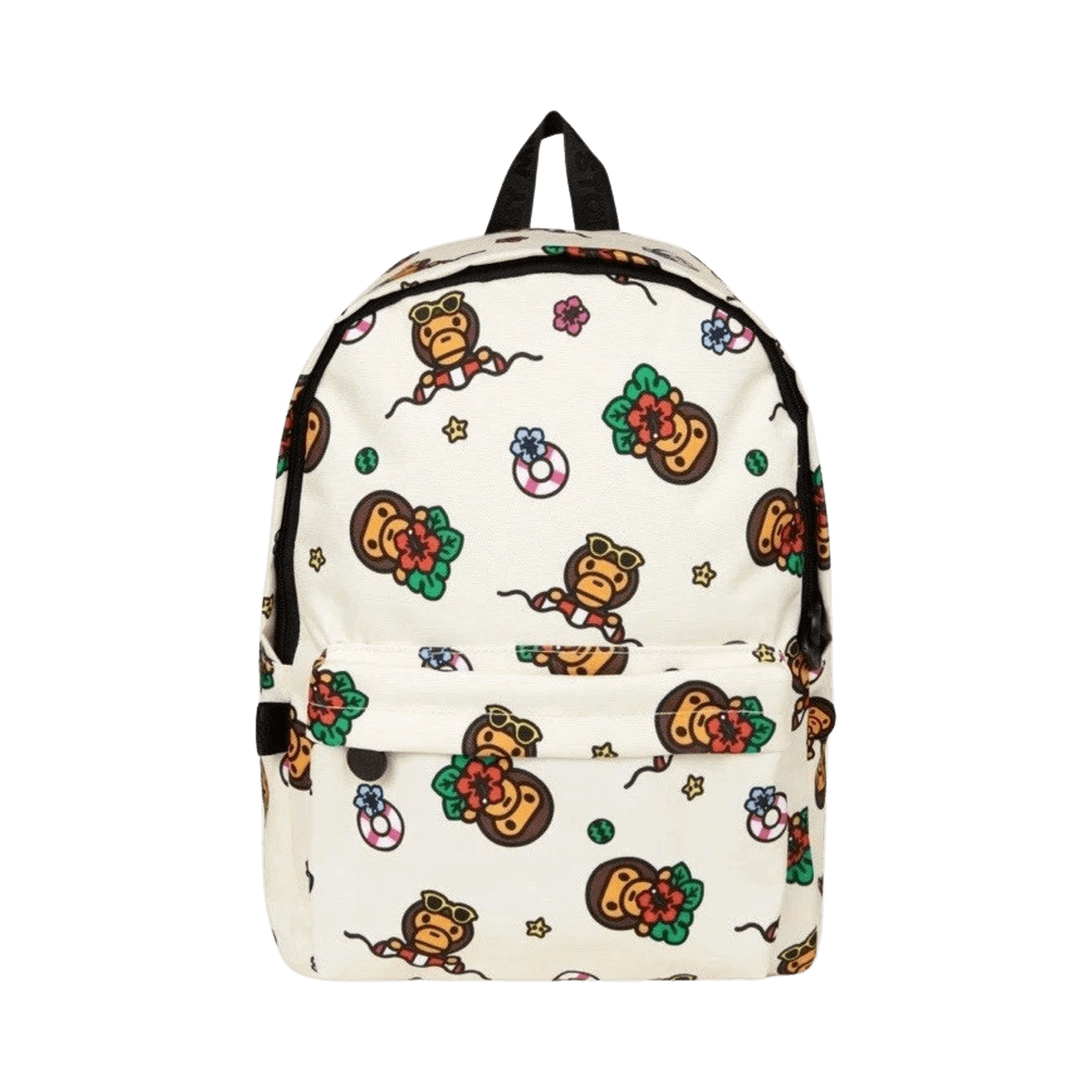
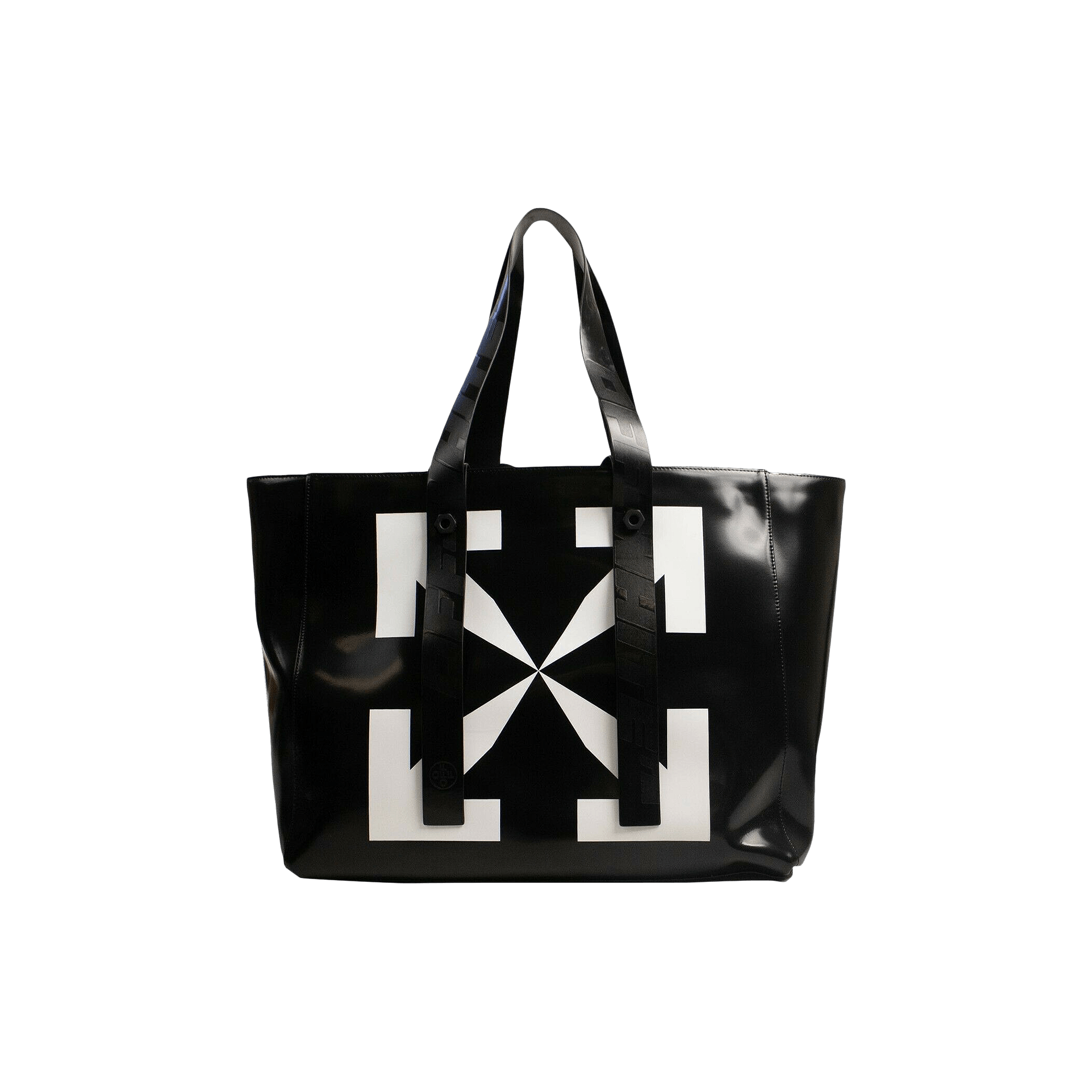
Of the 21 tote models tracked in this category, we sampled ten across price tiers, from Louis Vuitton's Neverfull and Bottega Veneta's Cabat down to Aimé Leon Dore's $40 Packable Tote and Nike's Heritage Collection, and eight came back Stable, one Depreciating (Off-White's Arrows Tote), and one Appreciating (BAPE's Baby Milo line). That lopsided mix toward "Stable" is itself the finding: totes are among the least volatile resale categories on this site. There's little of the boom-bust cycle you see in hype-driven shoulder or crossbody bags, because a tote's value proposition, capacity, durability, doesn't go out of fashion the way a specific silhouette detail can.
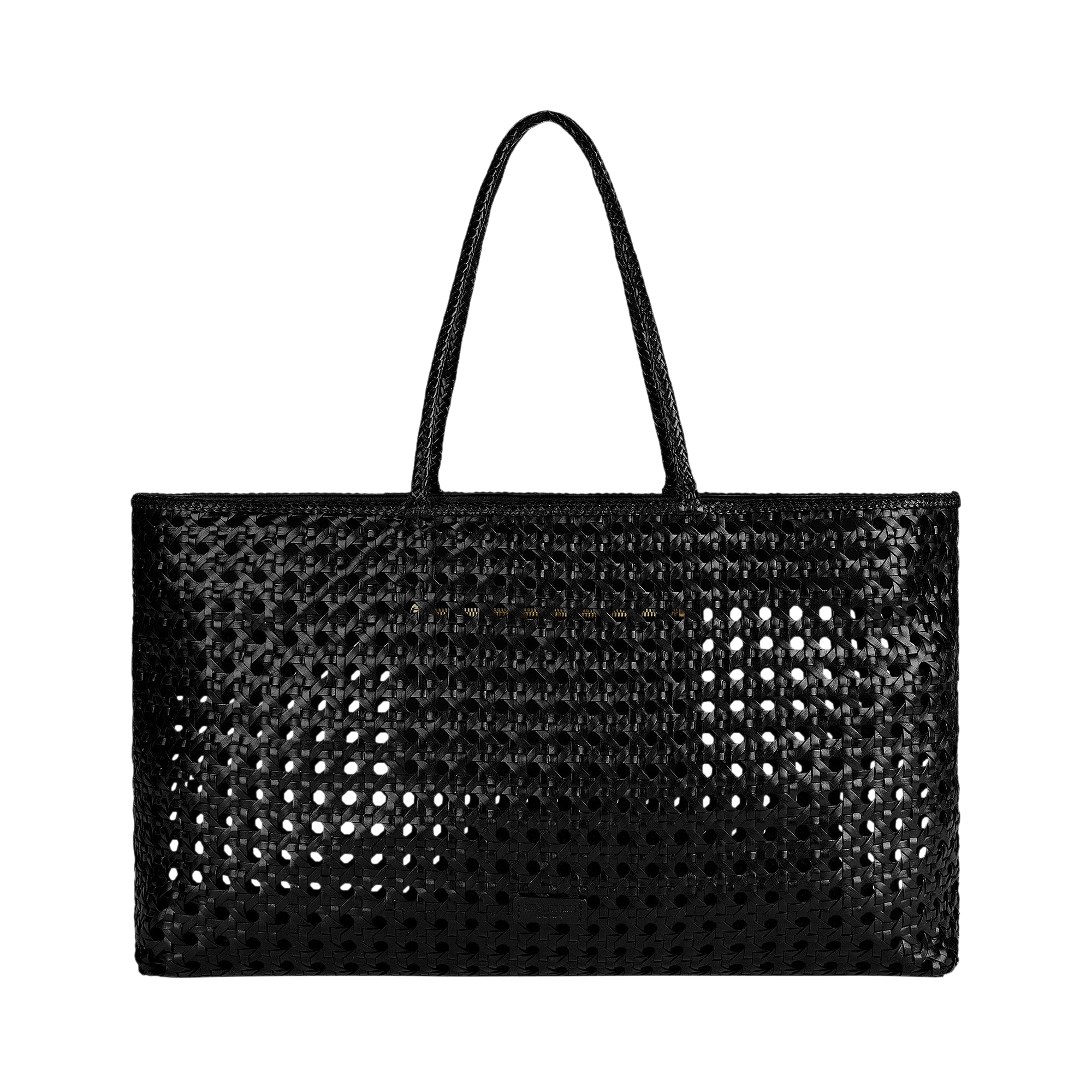
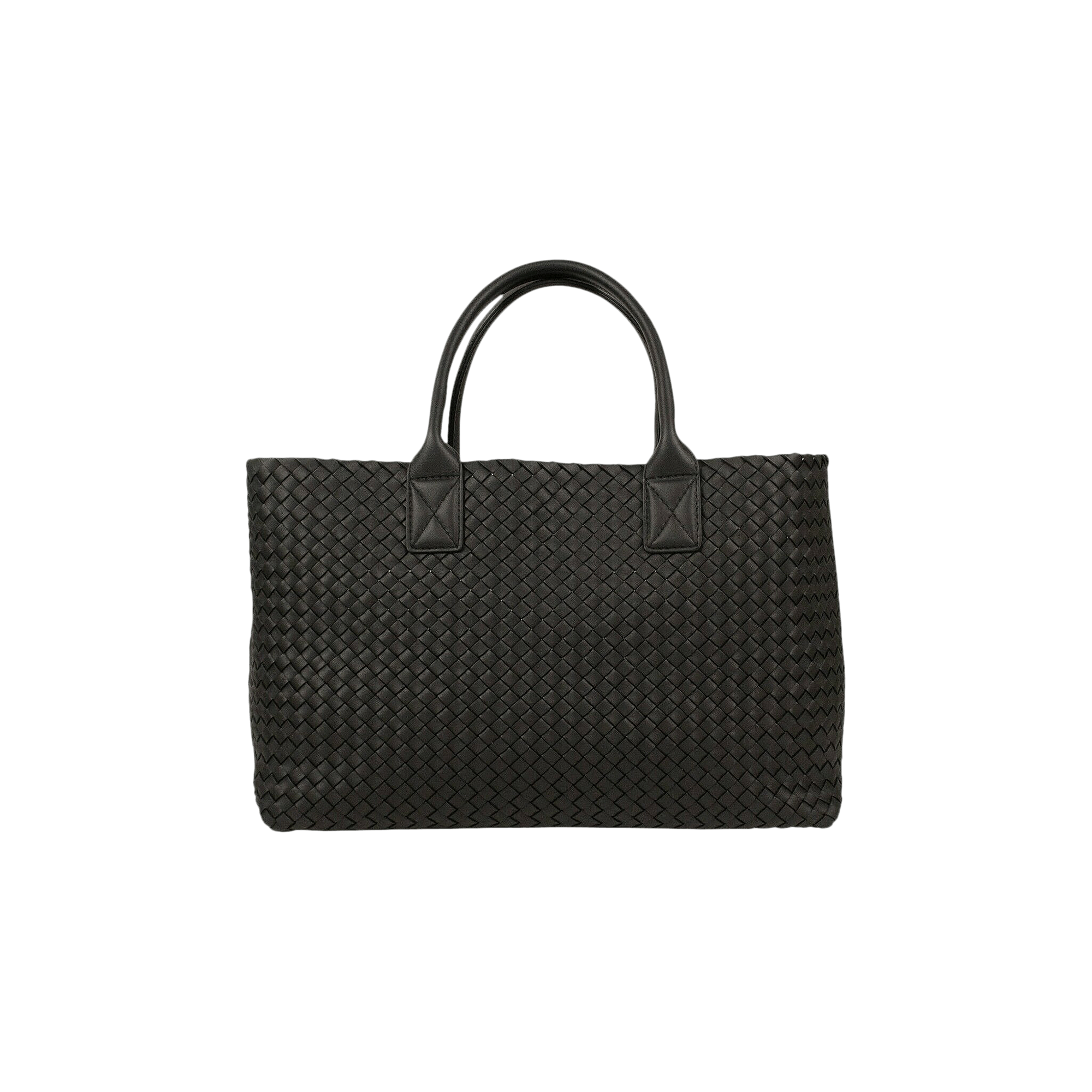
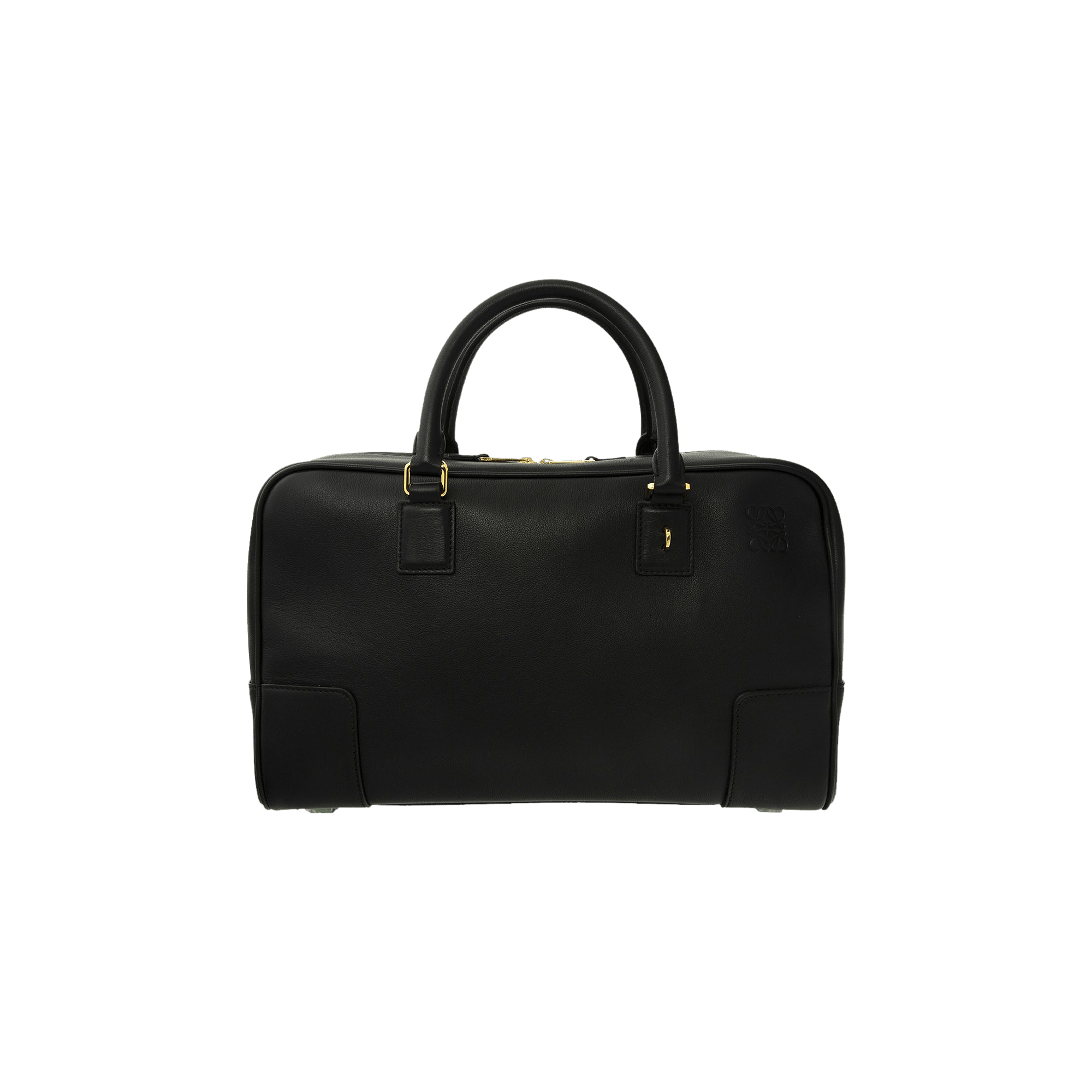
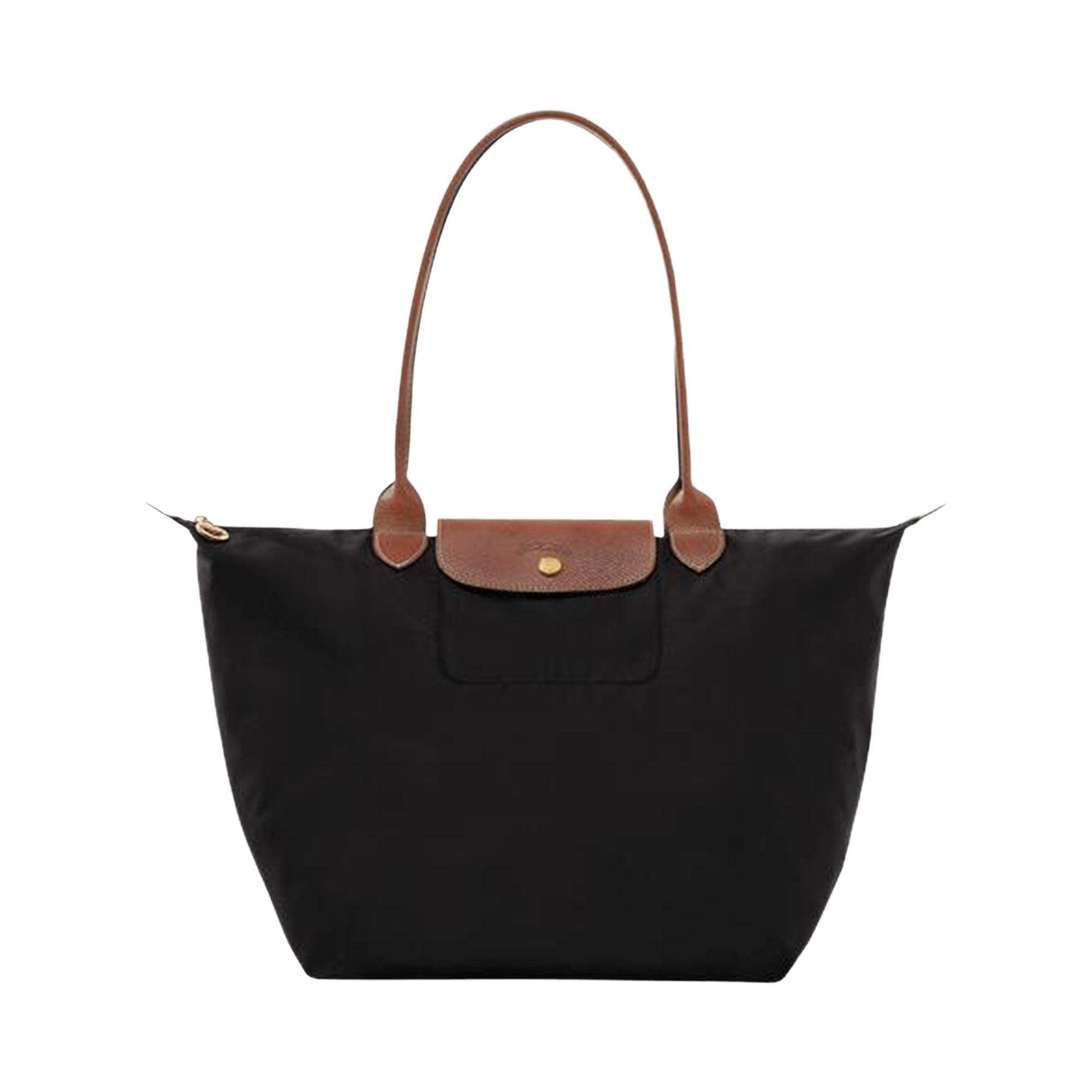
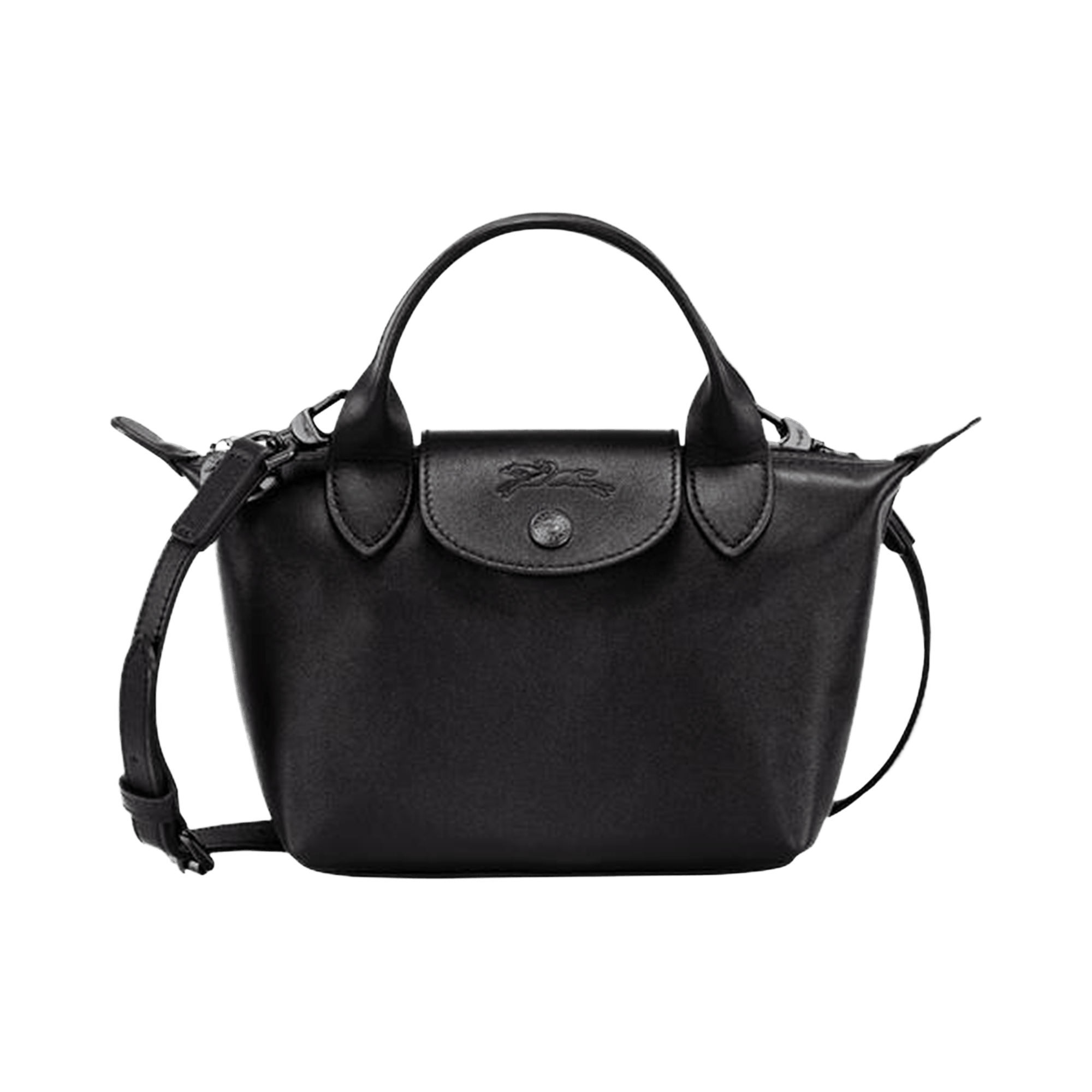
Within that stability, two sub-patterns hold value differently. Hand-crafted, scarce leather totes, the Cabat above all, which resells for $4,500-$8,000 in standard nappa and $15,000-$20,000+ in exotic skins against a $6,200-$54,200 retail range, hold the highest percentage and dollar value because supply is genuinely limited. At the other end, continuously-restocked nylon and canvas totes (Longchamp's Le Pliage, Nike's Heritage Tote, ALD's Packable Tote) settle into a predictable 25-65% of retail band and rarely move outside it, simply because a buyer can usually just order the same bag new. Structured leather totes in between, the Neverfull, Sac de Jour, Robinson, Amazona, cluster around 45-70% retention, driven mostly by condition (vachetta patina, corner wear) rather than trend cycles.
The exceptions prove the rule: Off-White's Arrows Tote depreciated post-Abloh as its logo-first appeal cooled and oversupply caught up with it, while BAPE's plush Baby Milo pieces appreciated well above retail on small production runs and character-collector demand that has little to do with the tote shape itself. The takeaway for buyers: a tote is one of the safer resale categories to buy into for everyday use, but don't expect the shape alone to drive appreciation, that only shows up when scarcity or a collector niche is layered on top.