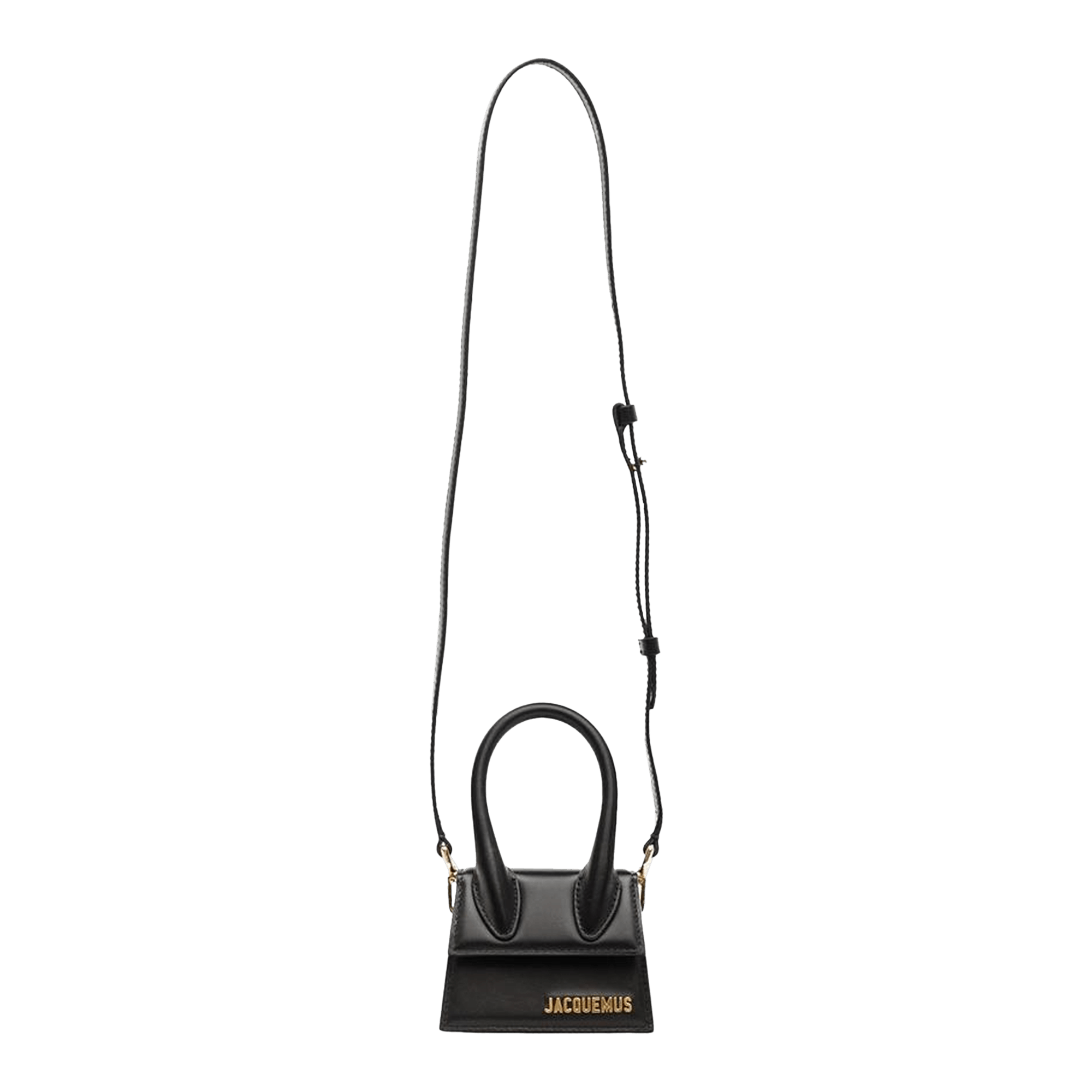
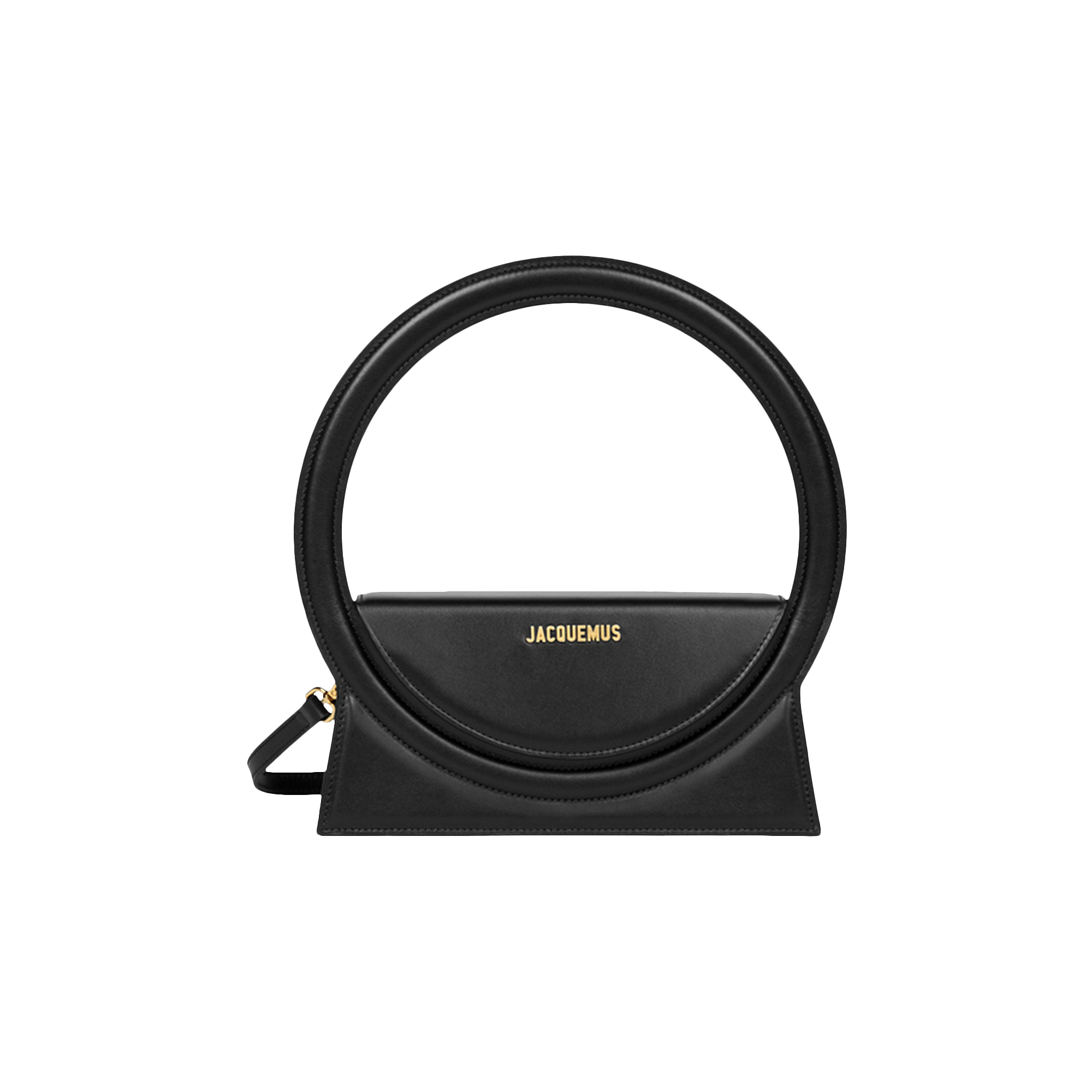
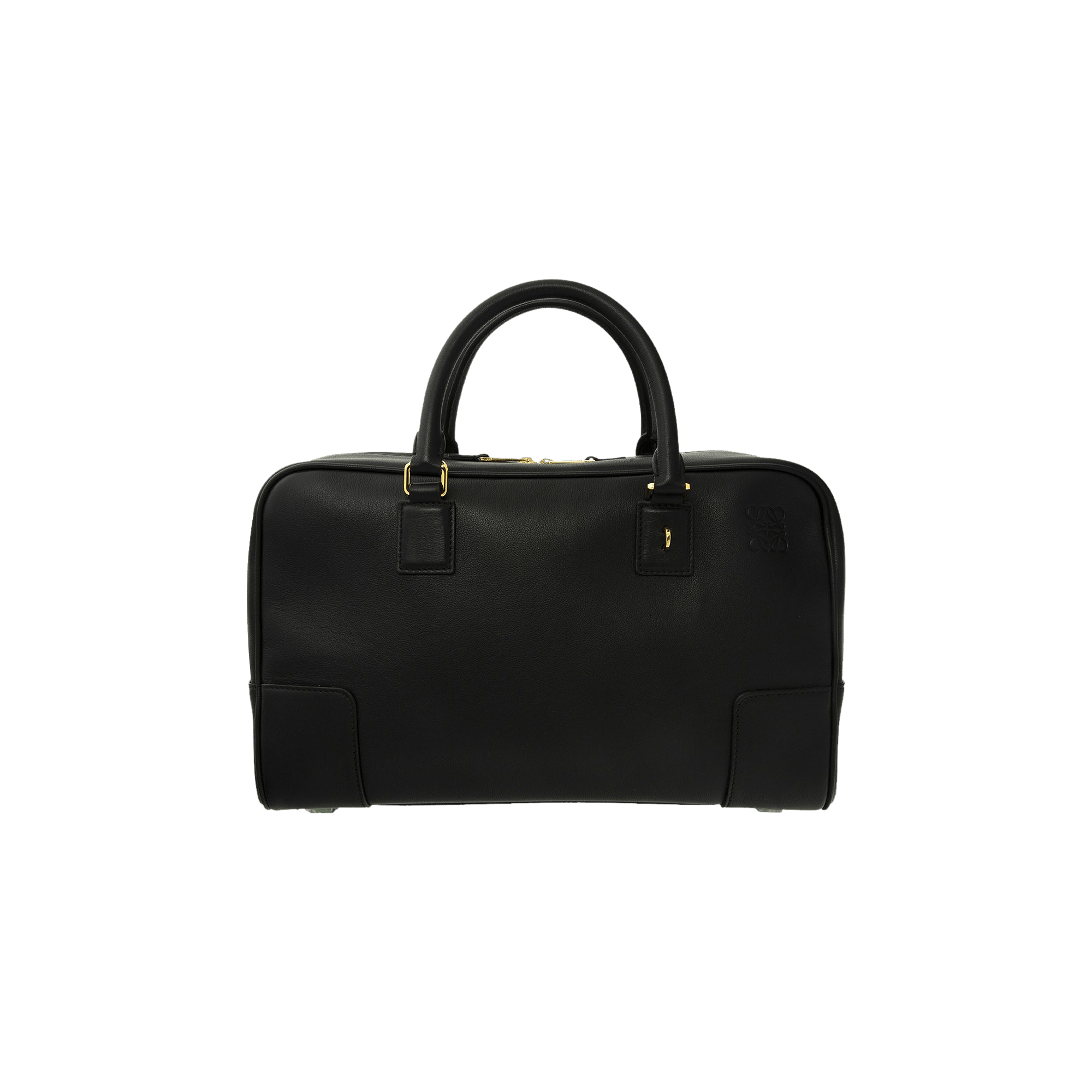
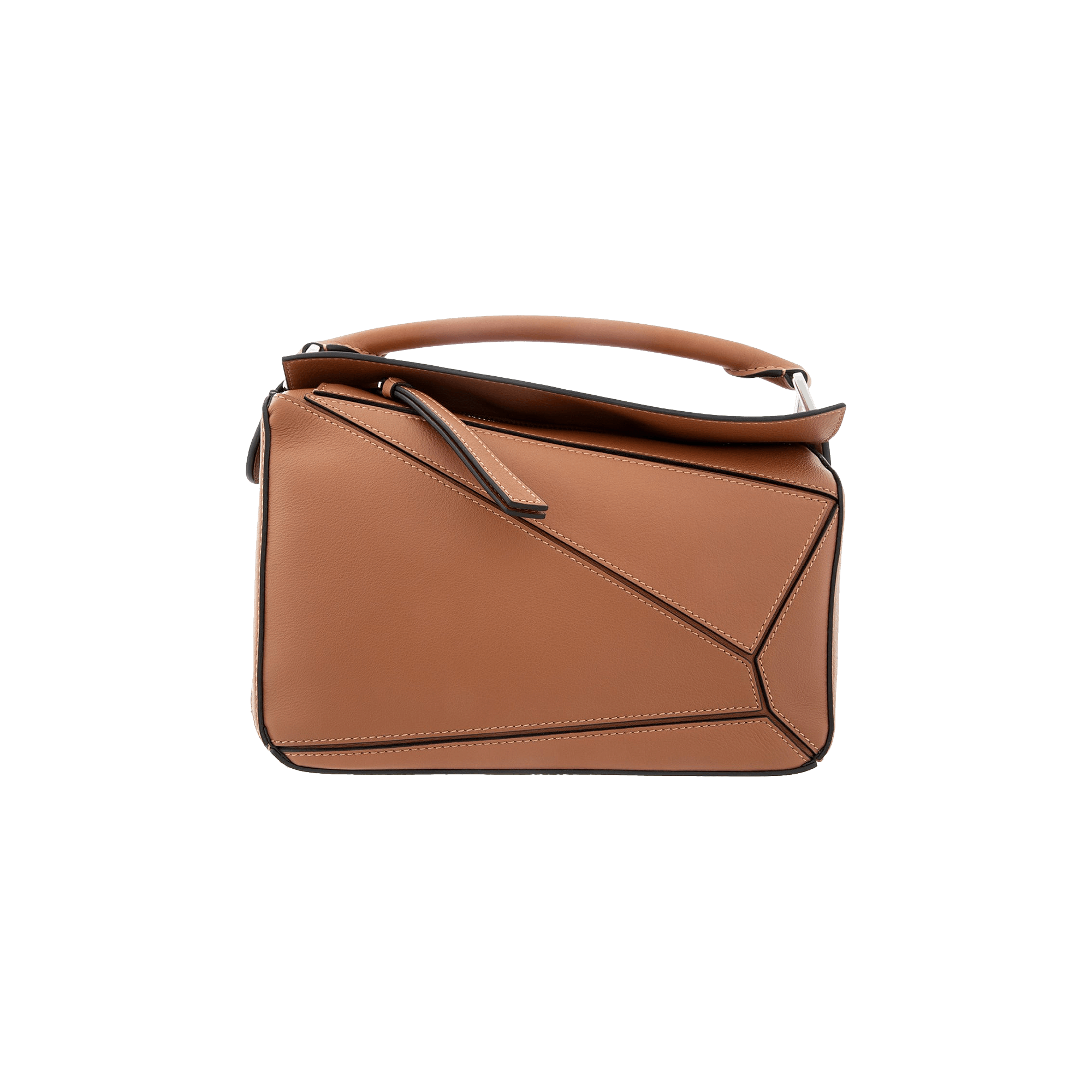
A top-handle bag is carried primarily by one or two rigid handles rising directly from the top of the body, designed to be held in-hand or in the crook of the arm rather than worn hands-free. That han
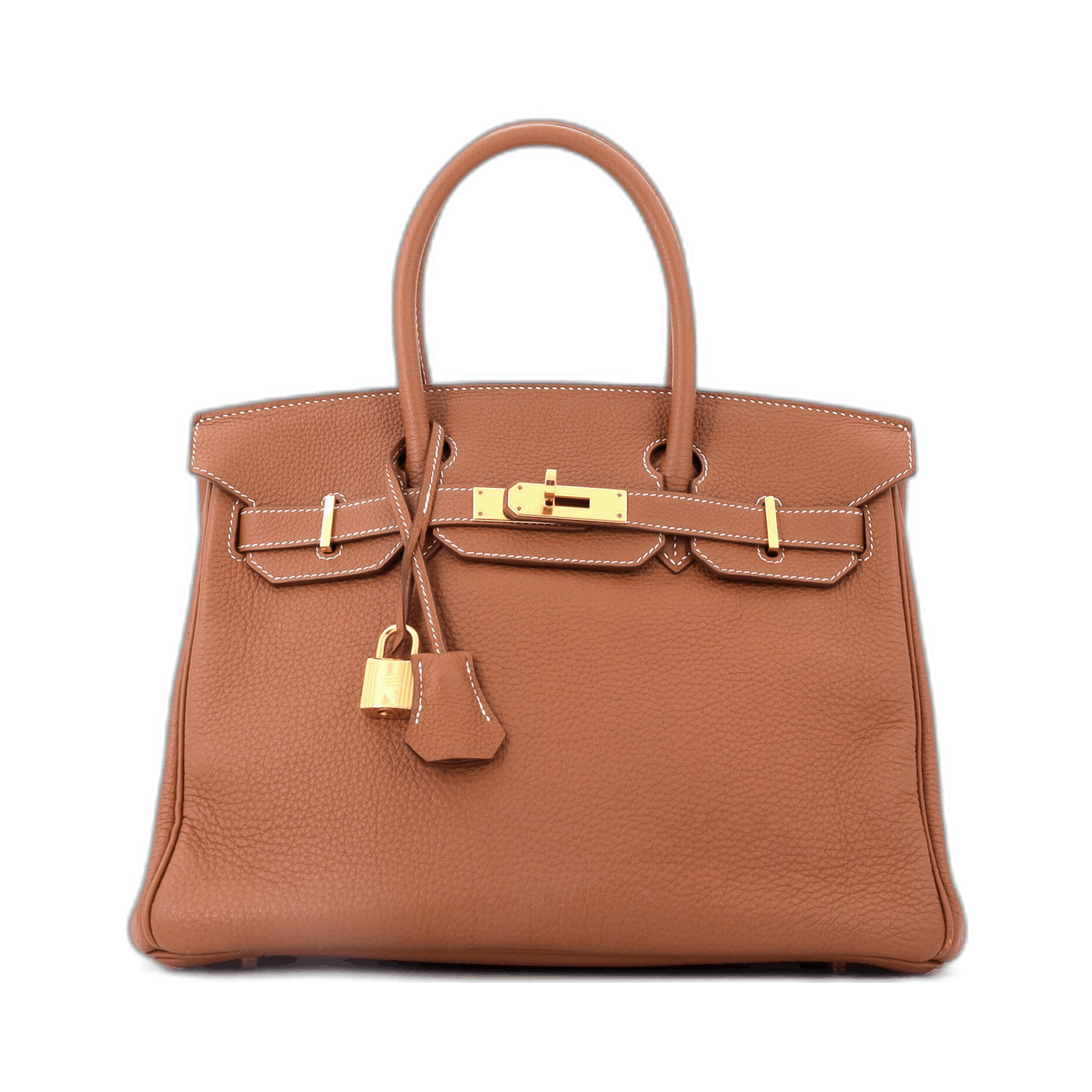
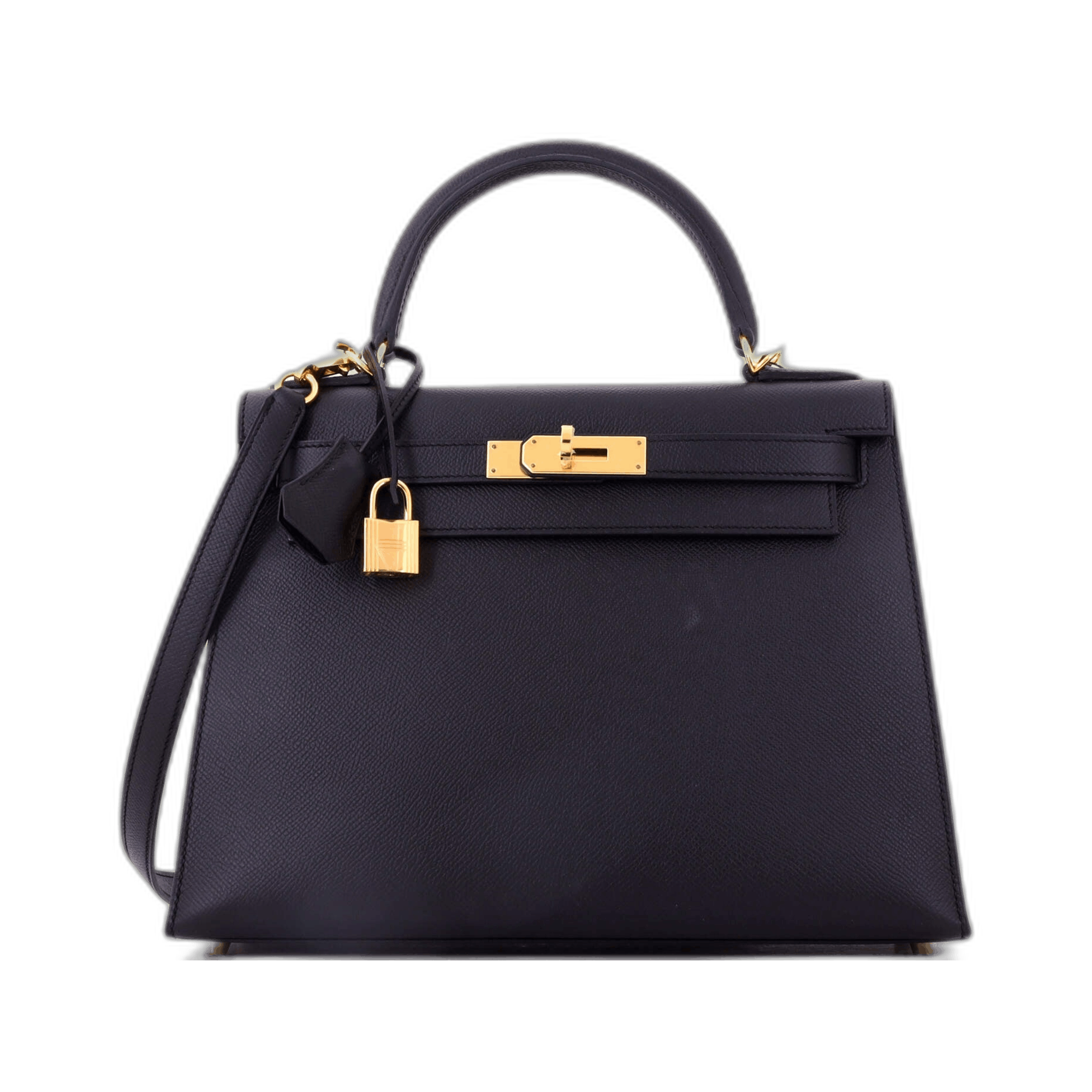
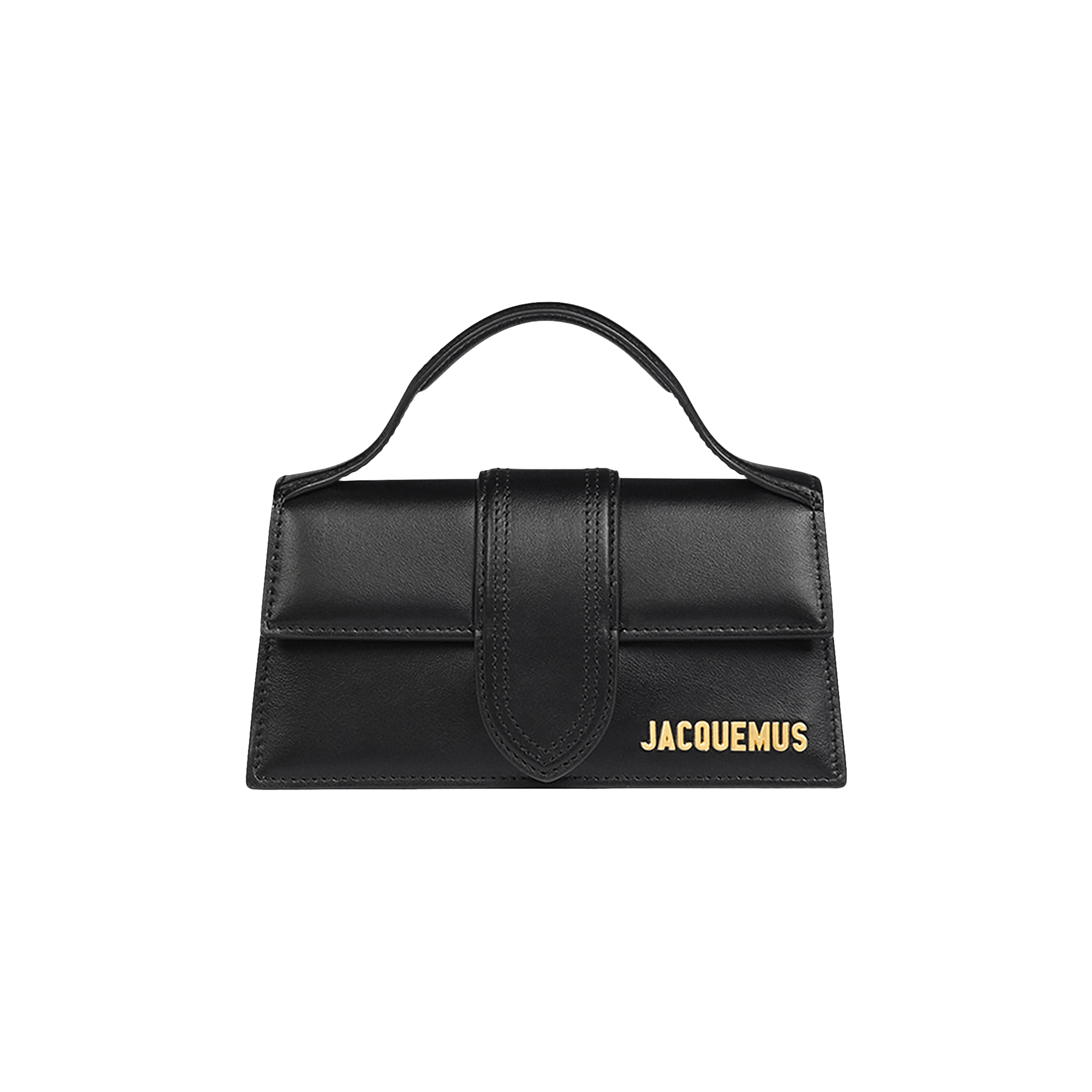
A top-handle bag is carried primarily by one or two rigid handles rising directly from the top of the body, designed to be held in-hand or in the crook of the arm rather than worn hands-free. That handle-first construction almost always demands a structured, self-supporting body, a top-handle bag rarely slouches the way a hobo or tote does, because the shape itself has to hold up under the weight without a shoulder to lean on. As a result, top-handle is the most formal of the four shapes here: it reads as considered and put-together in a way a crossbody or slung shoulder bag doesn't, which is exactly why it's the category most often used as an entry point into "investment bag" or heritage-house marketing.
That formality and structural demand also make top-handle bags a proving ground for craftsmanship and archival credibility. Because there's nowhere to hide a construction shortcut in a rigid, handle-carried silhouette, buyers scrutinize leather quality, hardware, and stitching more closely here than in any other shape, which is also why top-handle resale values swing more sharply, in both directions, than any other category on this site.


We sampled 11 of the 20 top-handle models tracked here, and the spread was the widest of any category: 7 Stable, 2 Appreciating, 1 Depreciating, and 1 Volatile. Top-handle is where we found both the single strongest appreciator and one of the weakest performers on the entire site.
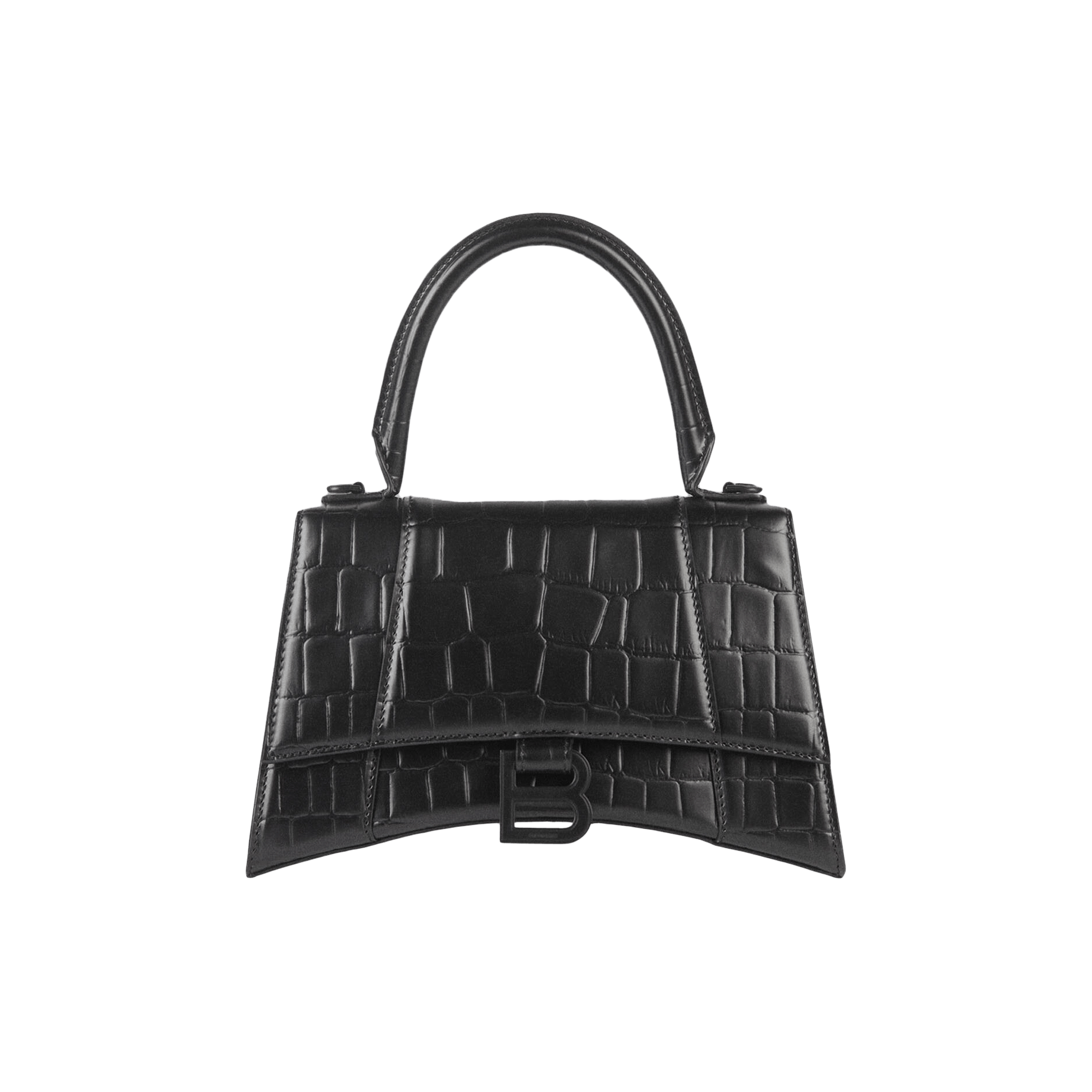
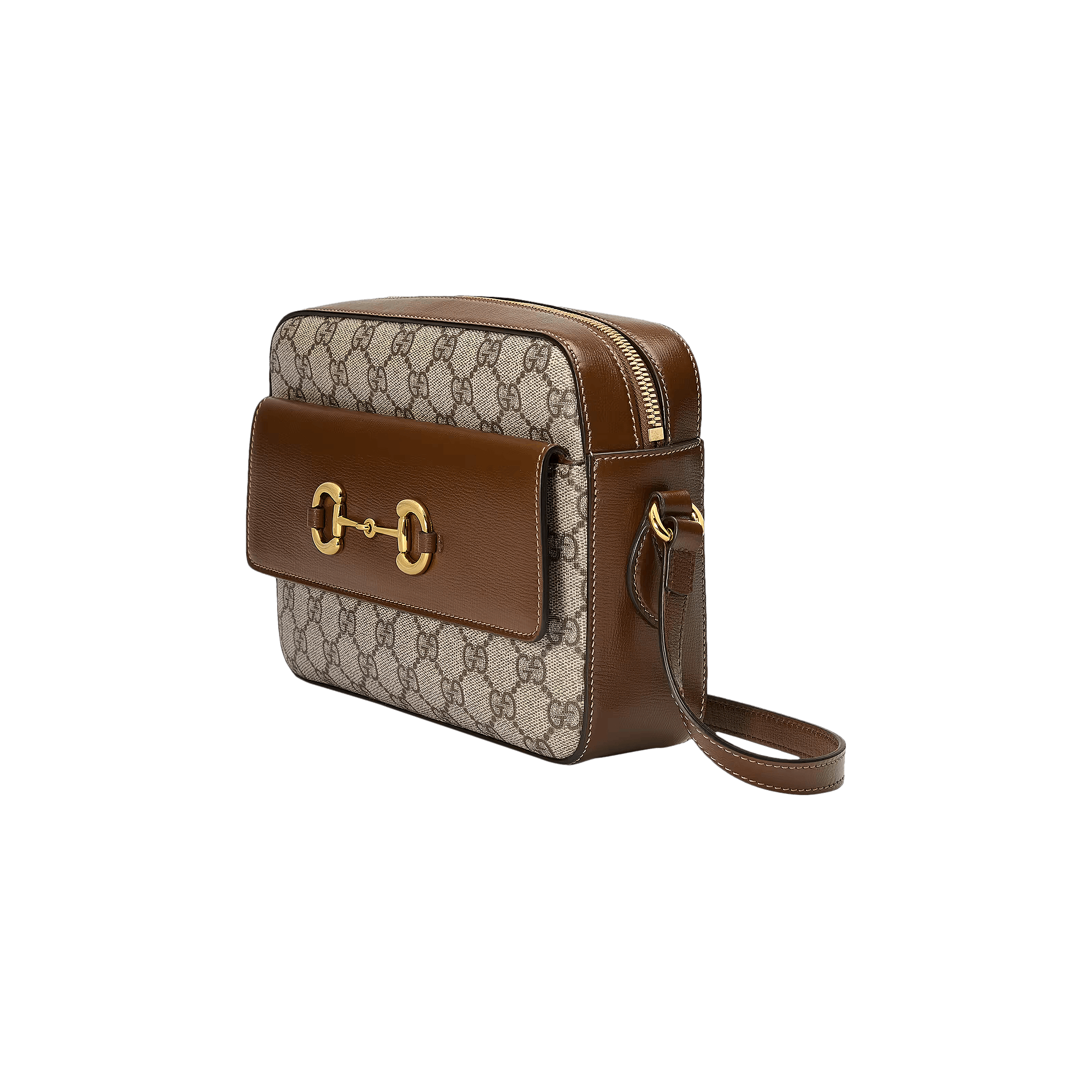
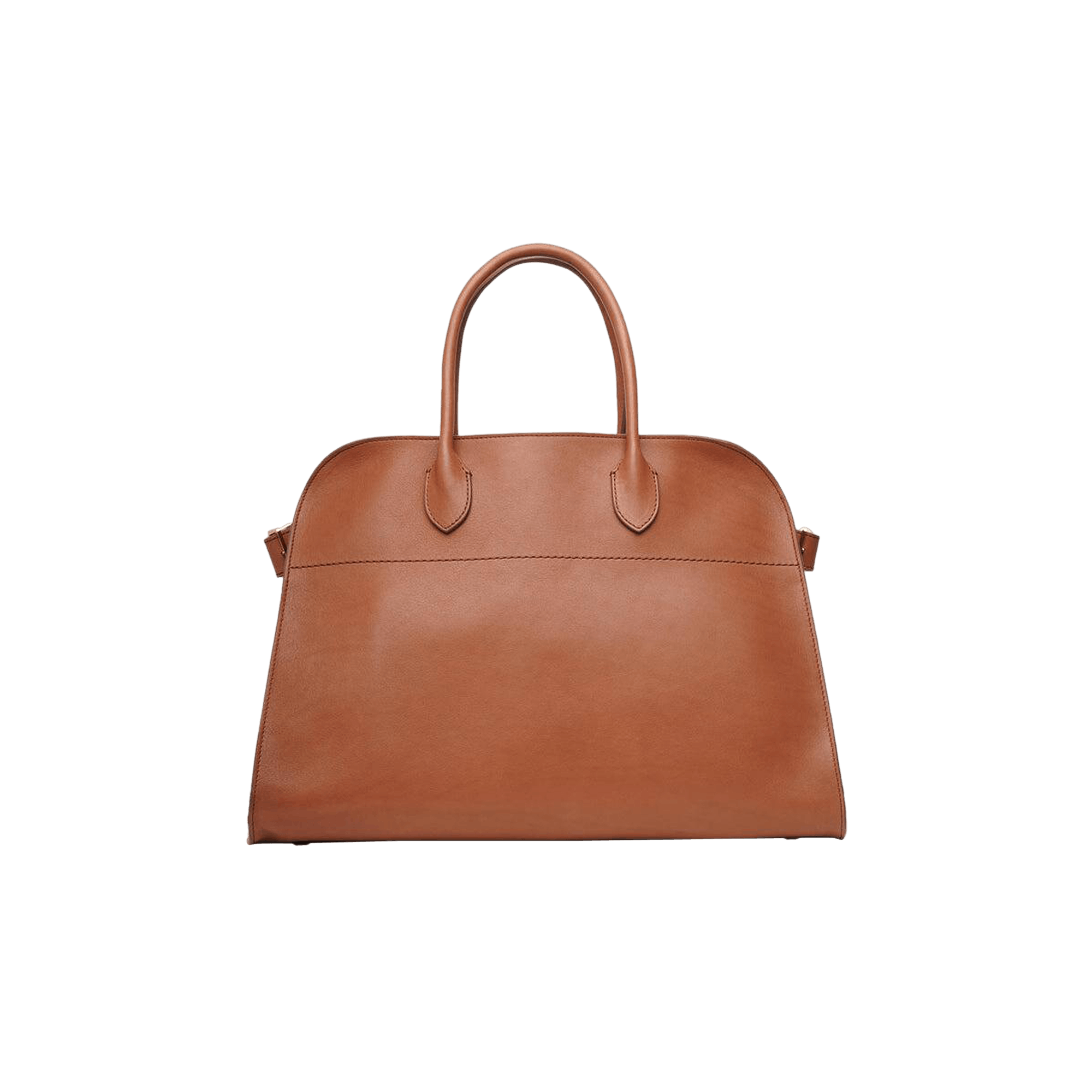
At the top: The Row's Margaux, after the brand discontinued the original open-top version in 2025 in favor of a boutique-only "Soft Margaux," has seen resale prices climb to 100-140% of original MSRP, Fashionphile has reported resale up roughly 44% year-over-year, with some sizes reselling around 40% over what they originally cost. Gucci's Horsebit 1955, built around 70-year-old equestrian hardware, is showing a steadier but real 5-10% annual appreciation as quiet-luxury demand favors documented heritage codes over seasonal logo prints. At the bottom: Balenciaga's Hourglass, once a Kim Kardashian-driven hype piece, has been diluted by rapid size and material expansion plus heavy duping, and now resells for just 25-35% of retail, one of the weakest retention rates we found anywhere on the site.
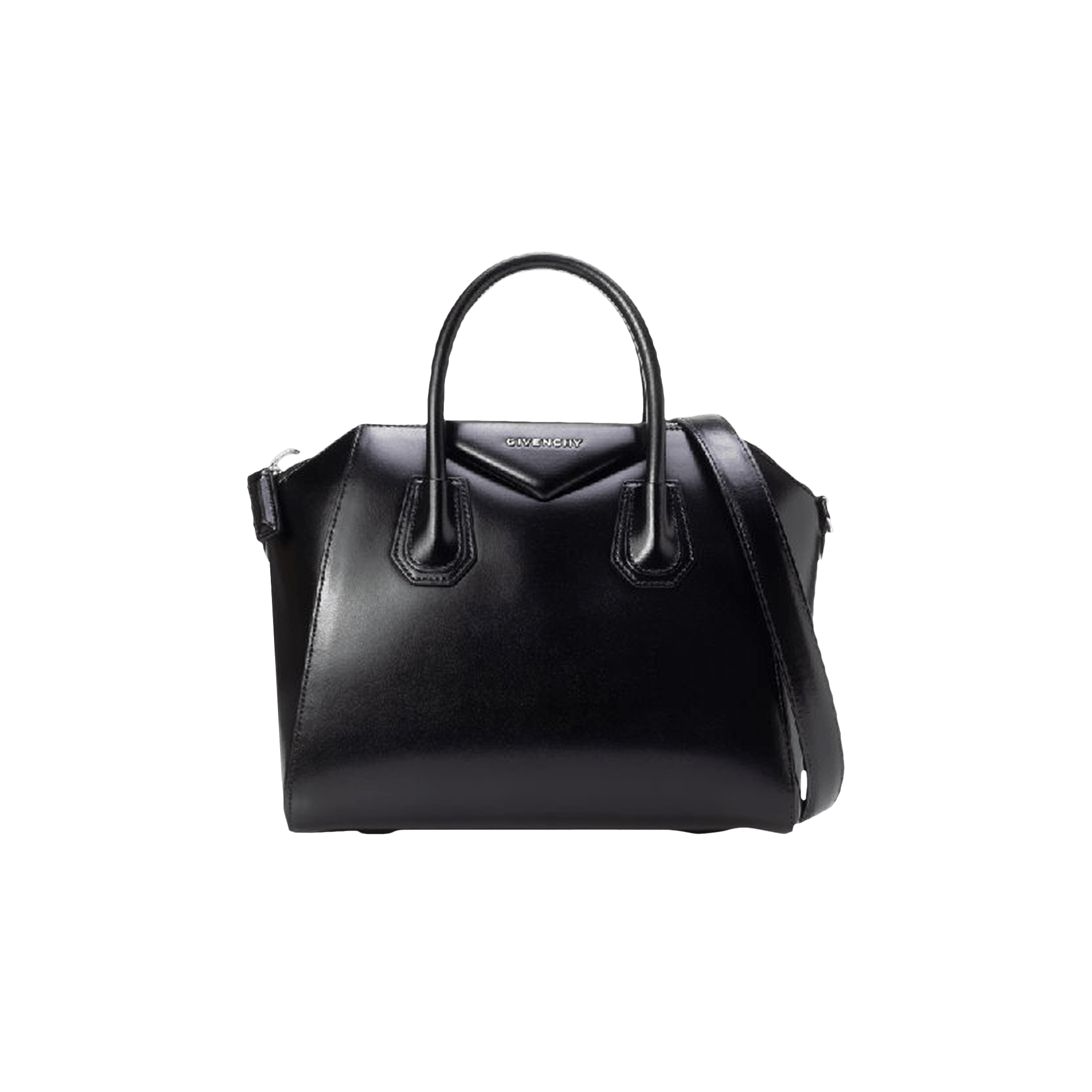
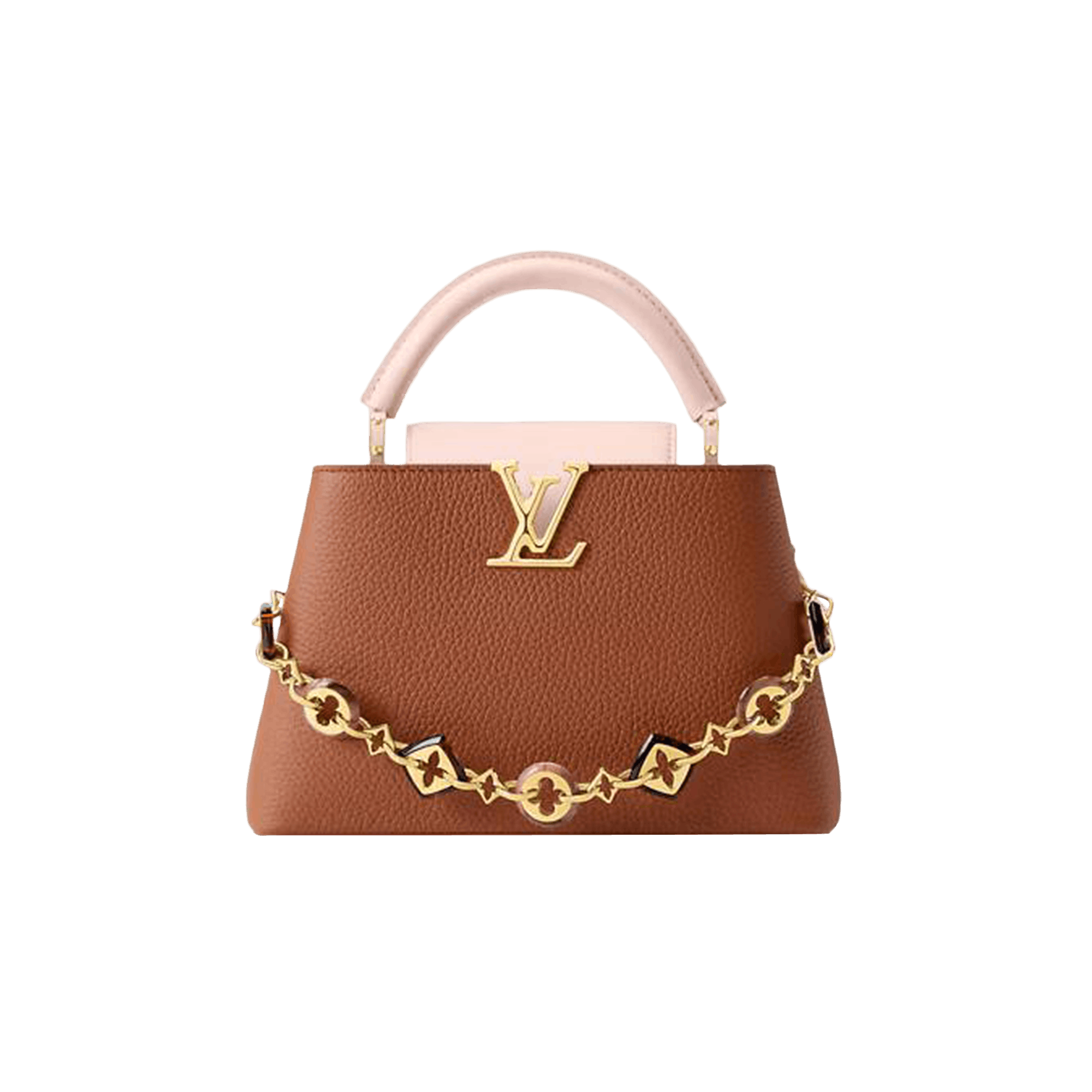
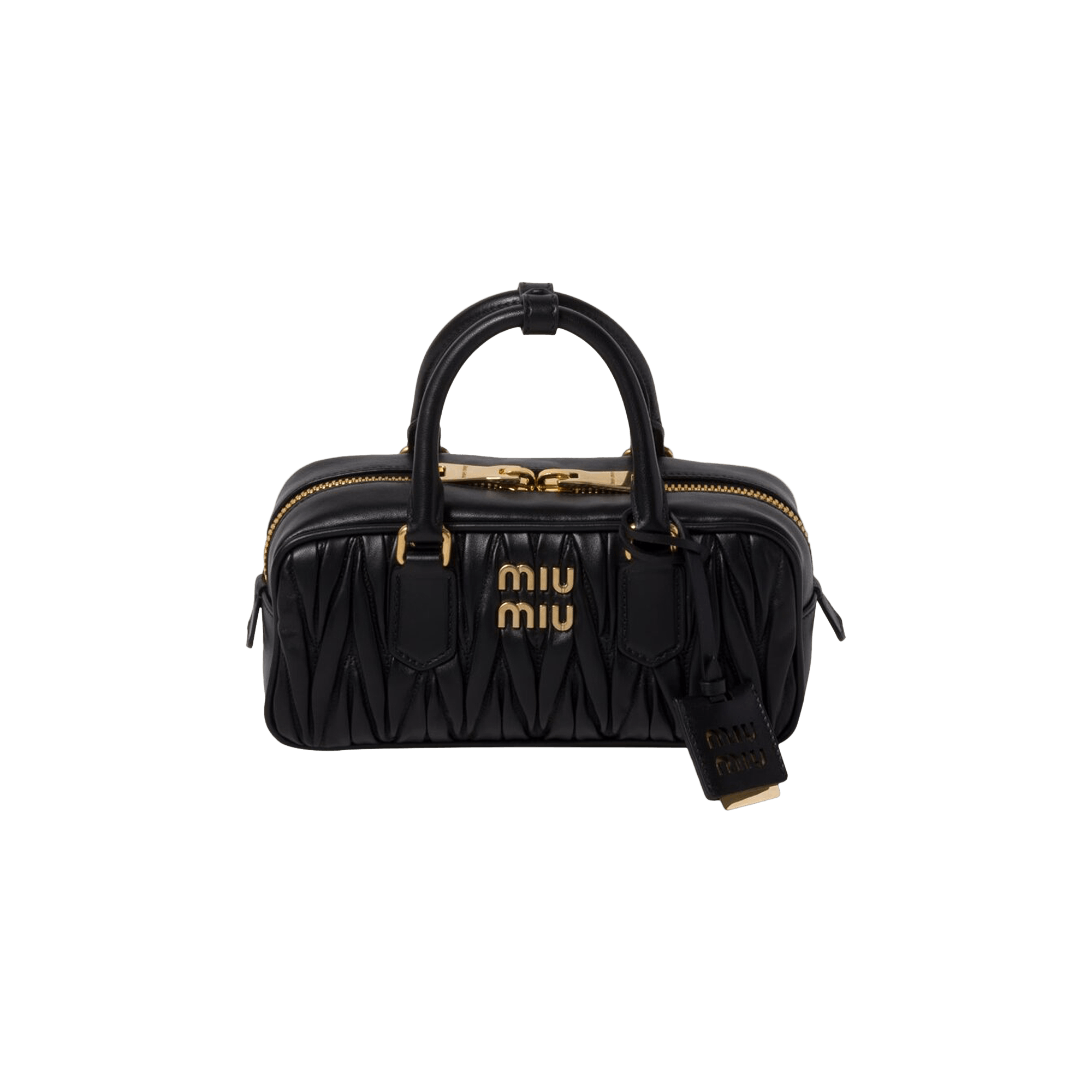
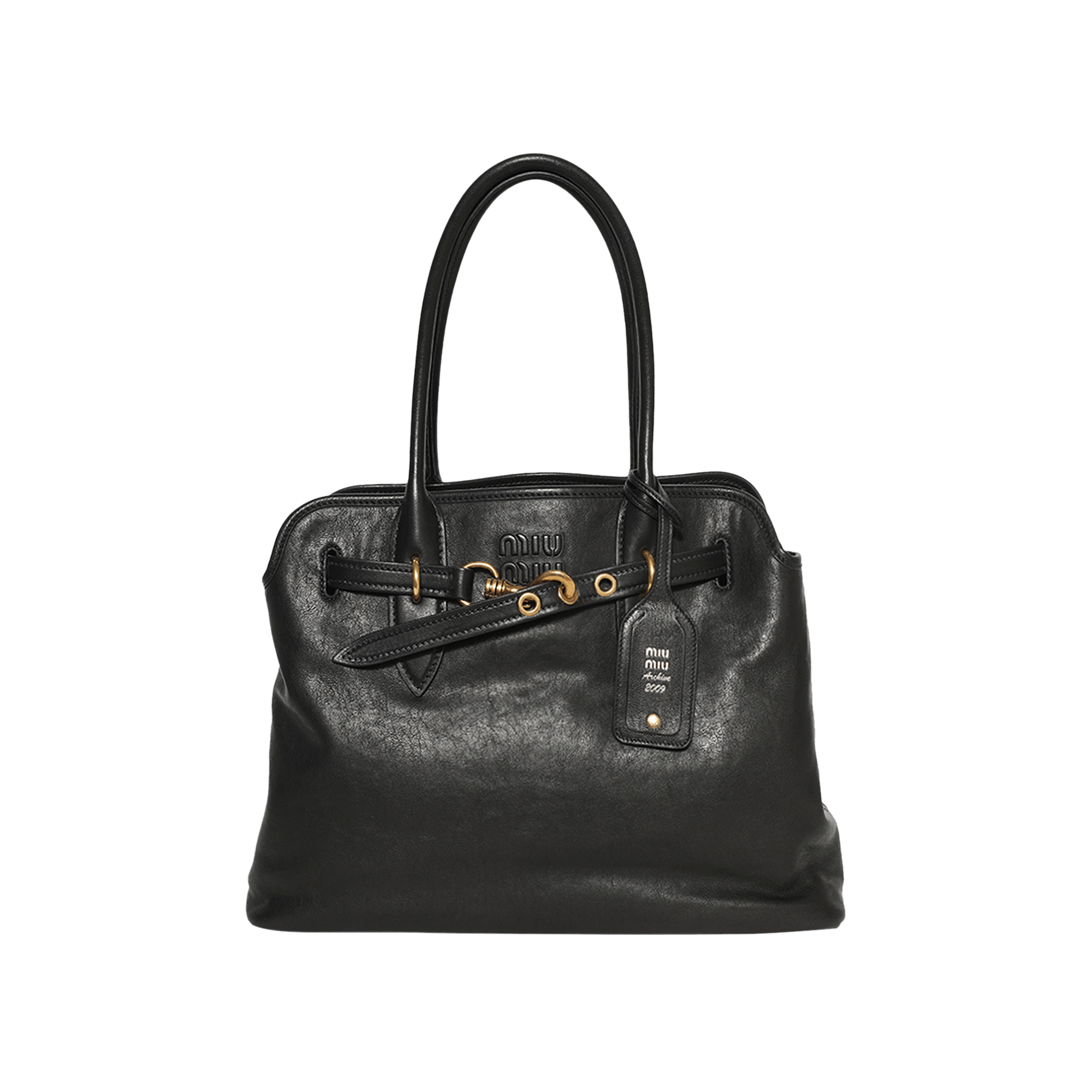
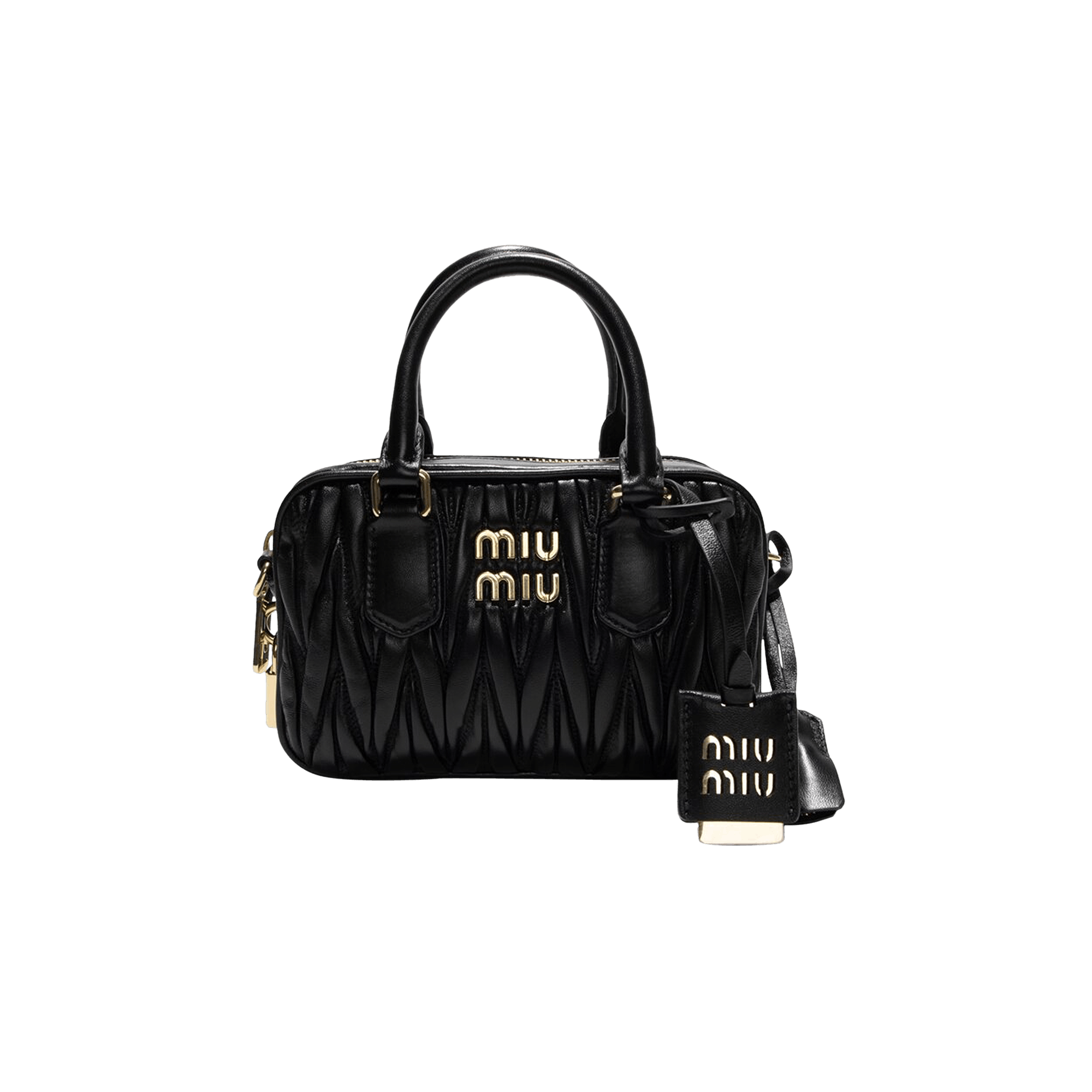
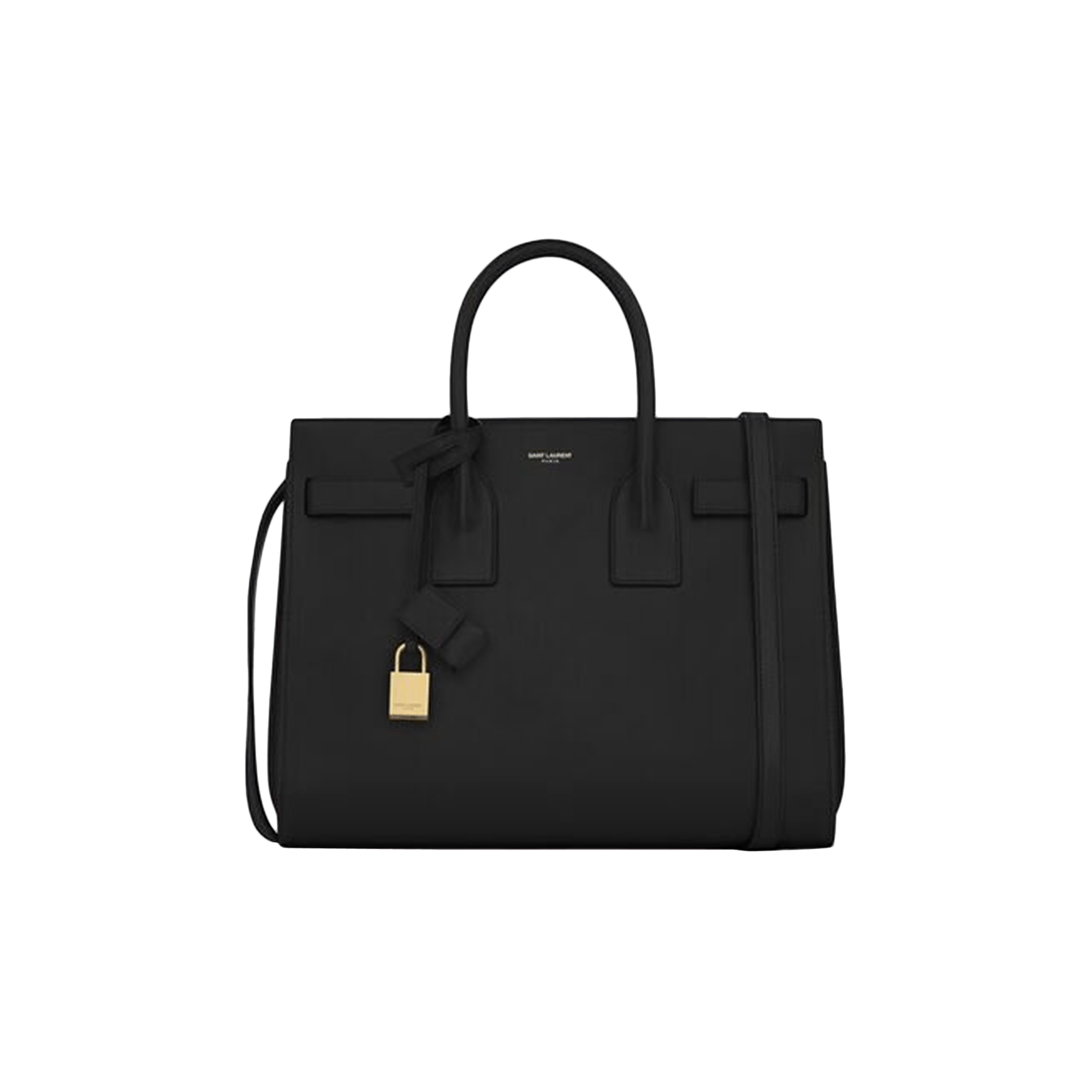
The Stable middle of the category still holds useful signal: structured heritage bags with a real archival story (Saint Laurent's Sac de Jour at 60-70%, Miu Miu's Arcadie at 60-75%) outperform bags whose main appeal is size or logo visibility rather than construction story (Louis Vuitton's Capucines and Givenchy's Antigona both sit at 30-45%, and even the century-old Speedy lands at 35-50% simply because it's so heavily produced). The takeaway for buyers: in top-handle specifically, scarcity events, a discontinuation, a genuinely old and well-documented hardware detail, move resale value more dramatically than anywhere else on this site, and it's worth being just as cautious of the reverse when a design gets over-expanded and widely copied.